Vintage Accents in Modern Kitchens: Clean, Warm, Curated
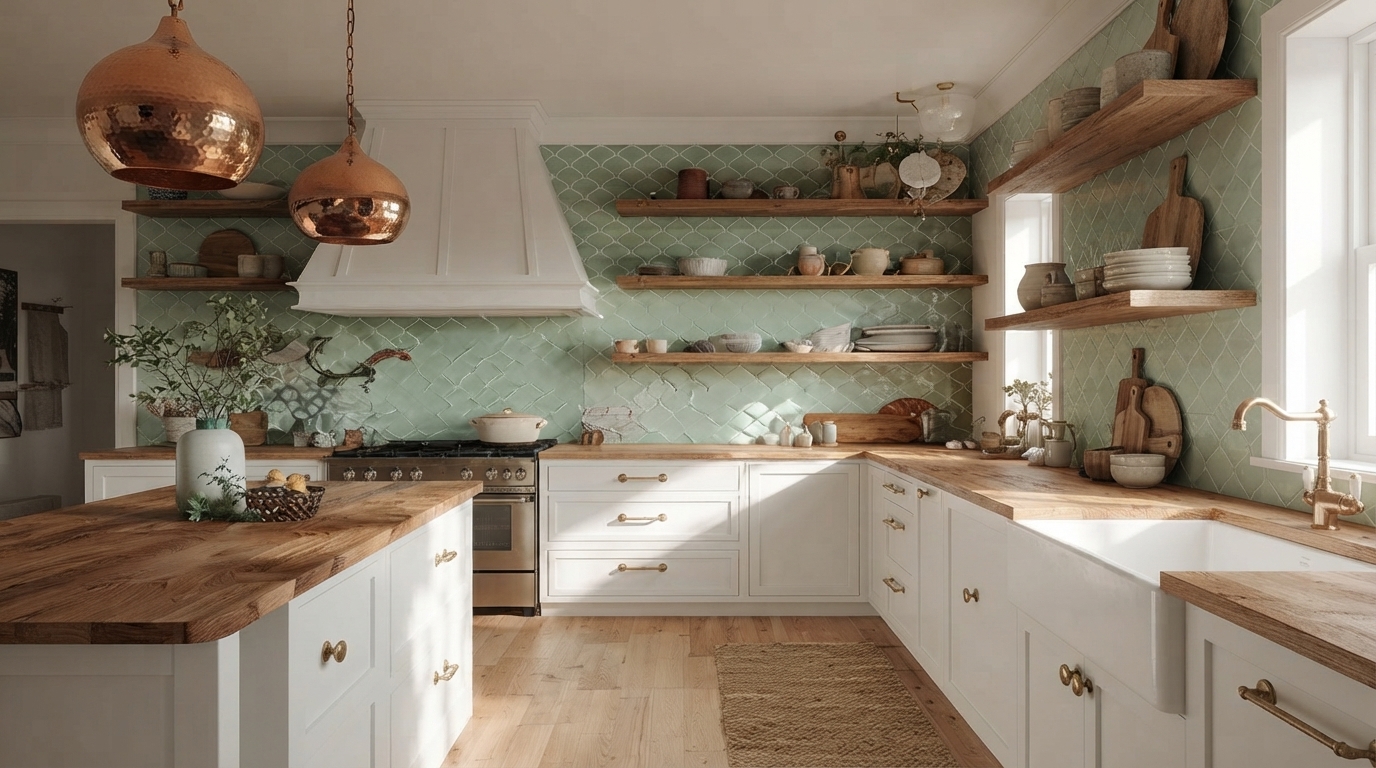
Old-Soul Warmth in a Modern Kitchen: How to Mix Vintage Pieces Without Losing the Clean Look
A modern kitchen can feel sleek and efficient, yet still carry the warmth and character of timeworn materials. The trick is letting the “bones” stay modern—clean cabinet lines, uncluttered counters, smart storage—while adding a few vintage touches that bring depth. When the patina is intentional (and repeated), the room reads collected, not crowded.
Start With a Modern Base, Then Add Patina
To keep a kitchen from tipping into clutter, begin by calming the permanent features. Cabinets, counters, backsplash, and flooring should act like one cohesive backdrop: simple profiles, consistent finishes, and minimal visual “noise.” When the base is quiet, vintage pieces look curated instead of chaotic.
Next, add patina through movable layers—stools, lighting, art, open-shelf styling, even a hardware swap. These are easy to edit over time, which is ideal when you’re learning how much “old soul” your space can handle.
Metal finishes are where many mixes go sideways. Choose one dominant metal family (such as brushed brass or aged nickel) and use a second metal only as a small accent. This keeps the room grounded while still feeling lived-in.
For the cleanest blend, focus on contrast in finish rather than color. Matte cabinets look sharp against a glossy vintage enamel tray. Honed stone feels richer next to antique wood. Let texture do the storytelling.
Vintage-to-Modern Balance Cheatsheet
| Kitchen Element | Modern Anchor | Vintage Add-On | Quick Rule |
|---|---|---|---|
| Cabinetry | Flat or simple Shaker fronts | Antique pulls/knobs | Keep hardware consistent in finish; vary shape subtly |
| Counters | Quartz, honed stone, or stainless | Butcher-block cart or breadboard | Add wood in small doses to warm up stone/metal |
| Lighting | Recessed + under-cabinet task | Vintage pendant or schoolhouse shade | Use vintage for mood; keep task lighting modern |
| Open Shelves | Simple brackets and spacing | Ironstone, copper, crockery | Repeat 2–3 materials; avoid one-off clutter |
| Seating | Minimal stools | Bentwood or spindle-back chair | Mix shapes, not heights—keep seat height consistent |
Choose 1–2 “Anchor” Vintage Pieces That Set the Tone
One hero vintage item is often all it takes to shift a modern kitchen from “new build” to “collected over time.” Consider a farmhouse table, an antique sideboard used as a coffee station, or a salvaged light fixture with an aged finish. The anchor should read clearly as vintage from across the room.
If the kitchen is smaller, scale down the anchor without losing impact: a vintage mirror, a tight set of framed botanical prints, or a compact cart can deliver the same warmth without stealing circulation space.
Prioritize texture over theme. Aged wood, hammered metal, stoneware, and enamelware naturally soften modern surfaces without turning your kitchen into a period set.
Once your anchor is chosen, borrow one warm tone from it—honey wood, rust, antique brass—and repeat it in two or three smaller details. That repetition is what makes the mix look intentional.
Keep the Mix Intentional: Color, Materials, and Repetition
A restrained palette makes vintage feel elevated. Aim for two to three core colors plus one accent. For example: warm white, soft black, and natural oak with a muted green accent in textiles or pottery.
Materials should show up at least three times to feel cohesive. Copper can appear in a kettle, a utensil rail, and a tray. Wood can repeat in a board, stool legs, and picture frames. Ceramics can echo through crocks, bowls, and a small lamp base.
Pair old and new in the same vignette to keep the contrast crisp—like a vintage wood board on a modern slab counter, or an antique brass sconce beside a contemporary range hood.
To avoid visual competition, keep one statement per wall. A single focal element reads calm; multiple era-defining pieces in the same zone reads busy.
Styling Zones That Make Vintage Feel Built-In (Not Temporary)
Coffee/tea station
Range wall
Sink area
Island or peninsula
Where to Find Vintage Pieces—and What to Check Before Buying
Great sources include estate sales, flea markets, architectural salvage yards, online marketplaces, and local antique malls. For additional inspiration and real-kitchen examples, browse reputable galleries like Architectural Digest and Houzz.
Be cautious with older paint and finishes, especially on items that may contact food. If you suspect lead paint or unsafe coatings, keep the piece decorative until it’s properly refinished. The U.S. Consumer Product Safety Commission has guidance on lead in consumer products and safety basics.
Make It Practical: Storage, Cleaning, and Daily Use
A Simple Formula for a Timeless Vintage-Modern Look
Shop the Look (Curated Picks)
- Old Soul Style for a Fresh Modern Kitchen – Vintage Pieces in Modern Kitchen Guide, Timeless Decor eBook, Vintage-Modern Styling & Kitchen Design Inspiration
- 20Kpa Cordless Stick Vacuum Cleaner for Hard Floor, Carpet & Pet Hair, Rose Red
- Cordless Vacuum Cleaner, 235W Brushless Motor, 40Min Runtime, 6-in-1 Lightweight for Household Cleaning
FAQ
How many vintage pieces should go in a modern kitchen?
Start with 1 anchor piece plus 3–7 smaller accents, then step back and leave breathing room on counters and shelves. Repeating a few tones and materials will make a smaller number of items feel cohesive without looking cluttered.
What vintage items work best in a kitchen without getting in the way?
Choose functional decor like trays, canisters, cutting boards, stools, small framed art, and a vintage-style pendant. Avoid fragile collectibles in high-traffic zones or anywhere they’ll compete with daily cooking and cleanup.
How can vintage look intentional instead of messy?
Keep a limited color palette, repeat materials at least three times, and group objects in tidy clusters (often in threes). Strong modern lighting and clean lines in the permanent finishes help every vintage piece look placed on purpose.









Leave a comment