Dense Synthetic Foundation Brush: Smooth, Even Coverage
What Dense Synthetic Bristles Do Differently
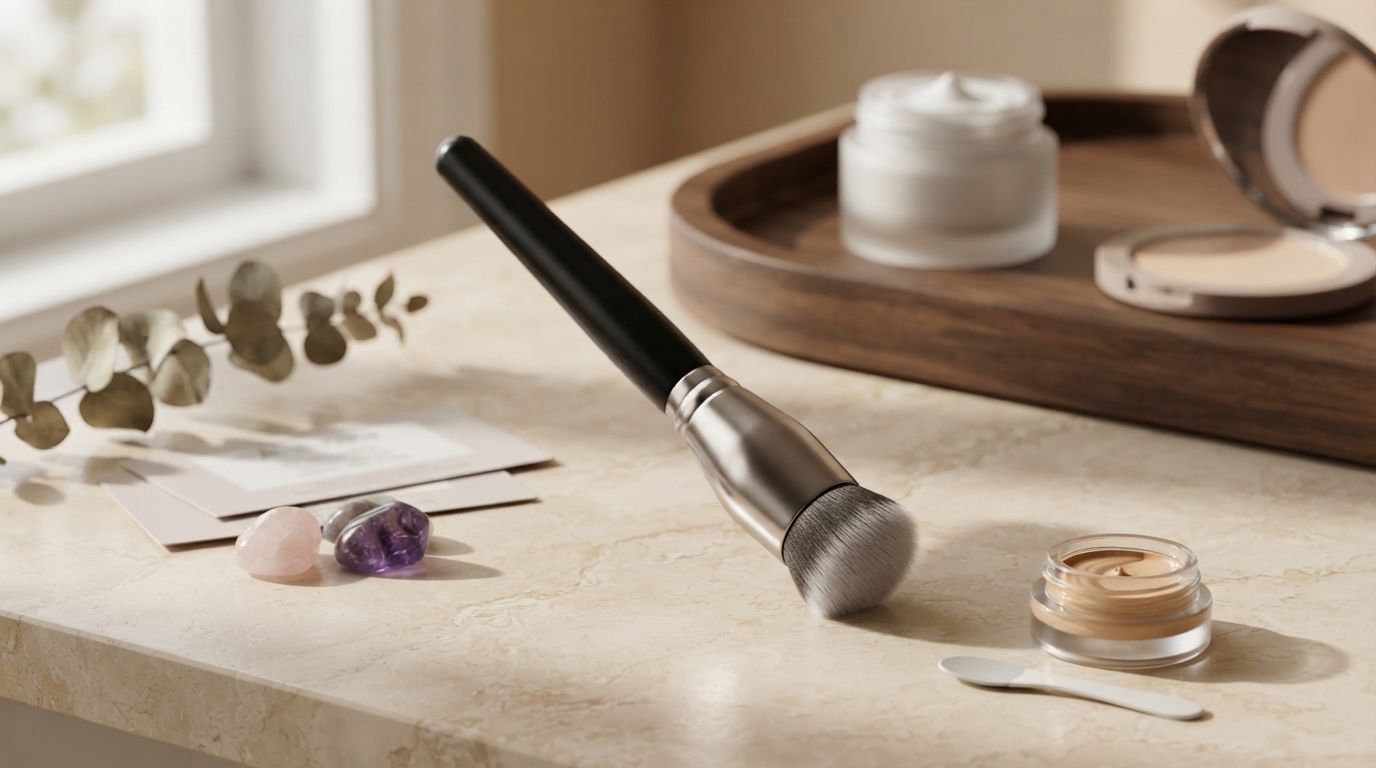
A foundation brush with densely packed synthetic hair is built to do one job well: move base makeup across the skin in a controlled, even way. Because the bristles are tightly packed, they help distribute product more consistently, which can reduce patchiness as you blend over the cheeks, forehead, and chin. For more guidance, see Swiss Beauty Foundation Blender Brush for Makeup | Synthetic Fibres.
Synthetic fibers also tend to absorb less product than natural hair, so more of your liquid or cream foundation stays on your skin instead of disappearing into the brush. That can mean less wasted product and easier shade consistency from one side of the face to the other. For further reading, see How to clean your makeup brushes.
The best dense brushes feel firm but still flexible at the tips. That balance helps you build coverage gradually—sheer where you want skin to show through, and more opaque in areas that need extra help. Synthetic hair is also a common choice for liquid and cream formulas because it glides smoothly and holds up well to regular washing.
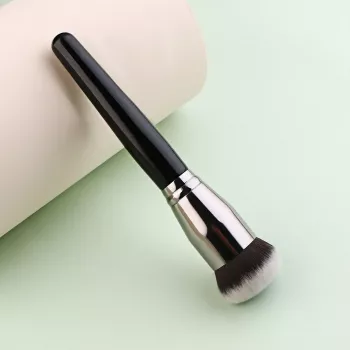
One practical bonus: a black handle and darker ferrule can help disguise minor staining over time, keeping the brush looking neat even if you use long-wear or highly pigmented formulas.
Best Foundation Types for a Dense Synthetic Brush
Dense synthetic brushes shine with liquids and creams, especially when you use techniques that “press” product in rather than sweeping it around. The goal is to place foundation evenly first, then blend only as much as needed to soften edges.
Quick Match: Formula, Technique, and Finish
| Foundation formula | Best technique | Result to expect | Common mistake to avoid |
|---|---|---|---|
| Liquid | Press + short buffing | Even coverage with softened edges | Long sweeping strokes that leave lines |
| Cream | Stipple first, then smooth | Buildable coverage without caking | Over-buffing dry areas |
| Skin tint | Light strokes, minimal product | Natural, thin layer | Using too much product at once |
| Stick (blended) | Tap to diffuse, then blend | Targeted coverage where needed | Dragging product outward too aggressively |
While a dense brush can be used with powder products in a pinch, it’s usually not ideal as a primary tool for loose powder foundation. Dense bristles can shift powder around, especially if you apply pressure. If you do use it with powder, keep the hand extremely light and tap off excess first.
How to Apply Foundation for a More Seamless Look
Small adjustments in prep and technique make a dense brush look smoother and more skin-like.
- Prep first: Moisturize and let skincare settle for a few minutes. If you use primer, apply it only where it helps most (like visible pores or oilier zones) rather than layering it everywhere.
- Start with less than you think: Place a small amount of foundation on the back of your hand. You can always add, but it’s harder to take away once a dense brush builds coverage quickly.
- Load the brush lightly: Pick up product on the tips of the bristles instead of saturating the entire head. This helps avoid streaks and keeps the finish thinner.
- Work in sections: Do cheeks first, then forehead, then chin. Blend outward toward the hairline and jaw so you don’t leave a visible “edge” where coverage stops.
- Use tapping for texture: Around the nose, chin, and any textured areas, press the product in with gentle tapping (stippling) before you do any buffing.
- Finish with a final pass: Use very light circular motions to blur edges. If the brush starts to drag, stop and add a tiny bit more product or a touch of moisturizer—don’t force it.
Choosing the Right Density and Shape for Your Skin and Coverage Goals
Density and shape change how foundation sits on the skin. Higher density generally suits medium-to-full coverage because it presses product in efficiently and gives you more control over placement. A slightly rounded or flat-topped dense head can help you target coverage under the eyes, around the nose, or over blemishes without flooding the whole face with product.
Care and Cleaning to Keep Bristles Soft and Skin-Friendly
For additional brush hygiene guidance, see the American Academy of Dermatology Association’s brush-cleaning tips and general safety information from the FDA cosmetics safety guidance.
Product Options to Try
- Black Foundation Makeup Brush with Dense Synthetic Hair ($11.99): A compact, everyday-friendly dense brush for liquid and cream formulas—great for pressing product around the nose and chin and building coverage in thin layers.
- Luxe Hacks for Small Closets Checklist | Digital Download Closet Organization Guide ($4.99): Helpful for organizing getting-ready essentials so your daily tools (like brushes) are easy to store and keep clean.
- 20Kpa Cordless Stick Vacuum Cleaner for Hard Floor, Carpet & Pet Hair, Rose Red ($162.65): Useful for cleaning up powder fall-out around a vanity area and keeping floors tidy after makeup application.
FAQ
Is a dense synthetic foundation brush better than a sponge?
A dense synthetic brush usually delivers more coverage with less product absorption, making it great for a polished, even finish. A damp sponge tends to sheer foundation out and can look extra diffused on texture, so it’s often a better pick when you want a lighter, “skin-first” result.
How often should a foundation brush be washed?
For frequent use, washing about once a week is a practical baseline, and washing more often can help if your skin is acne-prone or you use long-wear foundation. Rinse thoroughly, keep water out of the ferrule when possible, and let the brush dry fully before the next use.
Why does foundation look streaky with a dense brush?
Streaks are commonly caused by using too much product, dragging the brush in long strokes, applying over dry skin, or using bristles that have buildup. Try tapping to place product first, blending in smaller sections, using thinner layers, and washing the brush so the tips stay soft and flexible.








Leave a comment