Adjustable Ear Defenders: Fit, Comfort & Noise Reduction
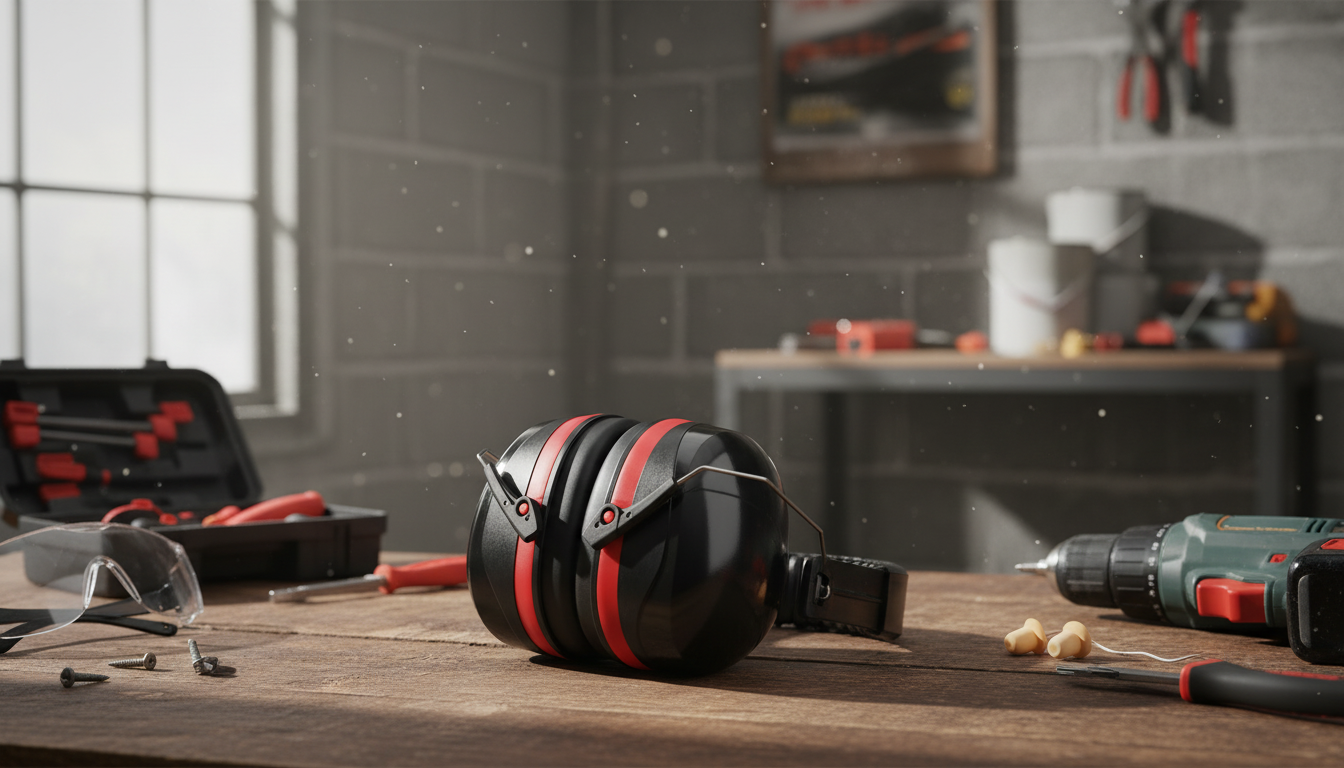
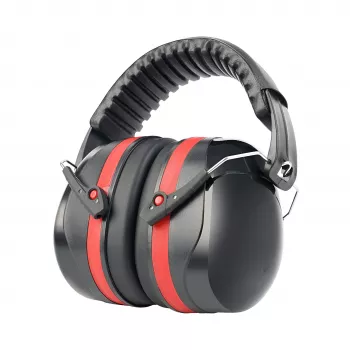
Adjustable Noise Reduction Ear Defenders
Loud environments can turn a routine task into a strain on focus and comfort. Adjustable ear defenders provide a simple, reusable way to reduce noise exposure while staying comfortable across different head sizes and use cases—from DIY and yard work to workshops and travel. When the fit is right and the seal stays consistent, earmuff-style protection can be an easy habit that supports everyday hearing care.
What ear defenders are designed to do
Ear defenders (often called earmuffs) are built to lower the intensity of noise reaching your ears by combining cushioned ear cups with a snug seal around each ear. They don’t “cancel” sound like active electronics; instead, they block and dampen noise through materials and fit.
- Reduce surrounding noise reaching the ear using cushioned ear cups and a sealed fit.
- Support safer listening habits in noisy settings when used correctly and consistently.
- Offer easy on/off convenience compared with disposable earplugs when noise levels change frequently.
For background on noise exposure and hearing loss prevention, refer to guidance from NIOSH and OSHA.
Where adjustable ear defenders are most useful
Adjustable models shine when the same pair needs to fit different people, when you switch between hats/hoods, or when you simply want to dial in comfort for long sessions.
- Home improvement: drilling, sanding, hammering, power tools, and shop vacs.
- Outdoor tasks: mowing, leaf blowing, and trimming where noise can be sustained.
- Workshops and garages: intermittent loud bursts where quick removal is helpful.
- Travel and daily life: reducing background noise on planes, buses, or in shared spaces (comfort-focused use).
Typical scenarios and what to consider
| Scenario | Noise pattern | Comfort priority | Practical tip |
|---|---|---|---|
| Power tools (drills/saws) | Peaks + sustained | High | Keep a consistent seal; reposition after sweating or moving. |
| Lawn equipment | Sustained | High | Choose padding that stays comfortable over longer sessions. |
| Workshops/garages | Intermittent | Medium | Adjustability helps quick fit changes between users. |
| Travel/shared spaces | Variable | High | Aim for low clamp pressure and breathable padding for longer wear. |
Fit matters more than most features
Noise reduction depends heavily on the seal. A high-rated pair can underperform if the cups don’t sit evenly or if gaps open as you move.
- A complete seal around the entire ear is essential; hair, glasses, or jaw movement can create leaks that reduce performance.
- Headband adjustability helps maintain a secure fit without excessive pressure that causes headaches or hot spots.
- Ear cup depth should leave space for the outer ear so the cup doesn’t press against it during long wear.
- With glasses or safety eyewear, look for cushions that conform well so the arms don’t create a “sound channel.”
A quick at-home check: put the ear defenders on, then gently press each cup inward. If you notice a big change in perceived noise, the seal may not be consistent and needs adjustment.
Understanding ratings and real-world noise reduction
Many hearing protectors list a Noise Reduction Rating (NRR) or a similar standard depending on region. It’s useful for comparison, but it’s measured in controlled conditions; real-world reduction is commonly lower because fit varies and people move, sweat, talk, and reposition.
- Lab-derived ratings don’t automatically reflect real use—comfort and correct sizing influence actual results.
- A moderately rated pair worn consistently can outperform an uncomfortable pair that gets taken off repeatedly.
- In very loud environments, workplace safety programs may recommend “dual protection” (earmuffs plus earplugs).
Quick guide to choosing protection by situation
| Environment example | Approx. loudness level | Protection approach | Notes |
|---|---|---|---|
| Light DIY and short tasks | Moderate | Ear defenders alone | Prioritize comfort to keep them on consistently. |
| Yard work (mower/leaf blower) | Moderate to high | Ear defenders alone (well-sealed) | Recheck the seal after head movement or sweat. |
| High-noise tools and prolonged exposure | High | Higher-rated protection and stricter fit | Follow workplace guidance; consider dual protection if recommended. |
| Uncertain noise levels | Varies | Start with comfortable defenders, upgrade if needed | If ringing or muffled hearing persists after exposure, reassess protection and duration. |
Additional practical prevention tips are available from the CDC, including guidance on limiting exposure time and recognizing early signs of overexposure.
Adjustability and comfort features to look for
For a pair you’ll actually wear, comfort is a performance feature. Small design details can determine whether you keep them on for a full project or start pulling them off mid-task.
Care, cleaning, and lifespan
When ear defenders may not be the best choice
Product options to keep protection within reach
- Adjustable Noise Reduction Ear Defenders ($46.49) — adjustable sizing supports a more reliable seal across different head sizes, making them practical for repeat tasks like yard work and DIY.
- Cordless Vacuum Cleaner, 235W Brushless Motor, 40Min Runtime ($155.49) — a helpful cleanup companion for workshops and garages after sanding or drilling.
- 20Kpa Cordless Stick Vacuum Cleaner for Hard Floor, Carpet & Pet Hair ($162.65) — a convenient option for quick post-project floor cleanup when debris spreads beyond the work area.
FAQ
How tight should ear defenders feel?
They should feel secure enough to create a full seal around the ear without pain or headaches. If you notice pressure points or the cups shift when you move, readjust the headband and reposition the cushions for an even seal.
Do ear defenders work if wearing glasses?
They can, but glasses arms may create small gaps that leak sound. Softer cushions and careful positioning usually help, and a quick test is to gently press the cups—if the noise changes a lot, the seal needs improvement.
How often should ear defender cushions be replaced?
Replace them when cushions crack, flatten, lose elasticity, or no longer maintain a consistent seal. How quickly that happens depends on frequency of use, sweat, and storage conditions.







Leave a comment