Dr. Martens Women’s Lace-Up Shoes: Fit, Break-In & Care
Dr. Martens Women’s Lace-Up Shoes: Fit, Break-In, Styling, and Care
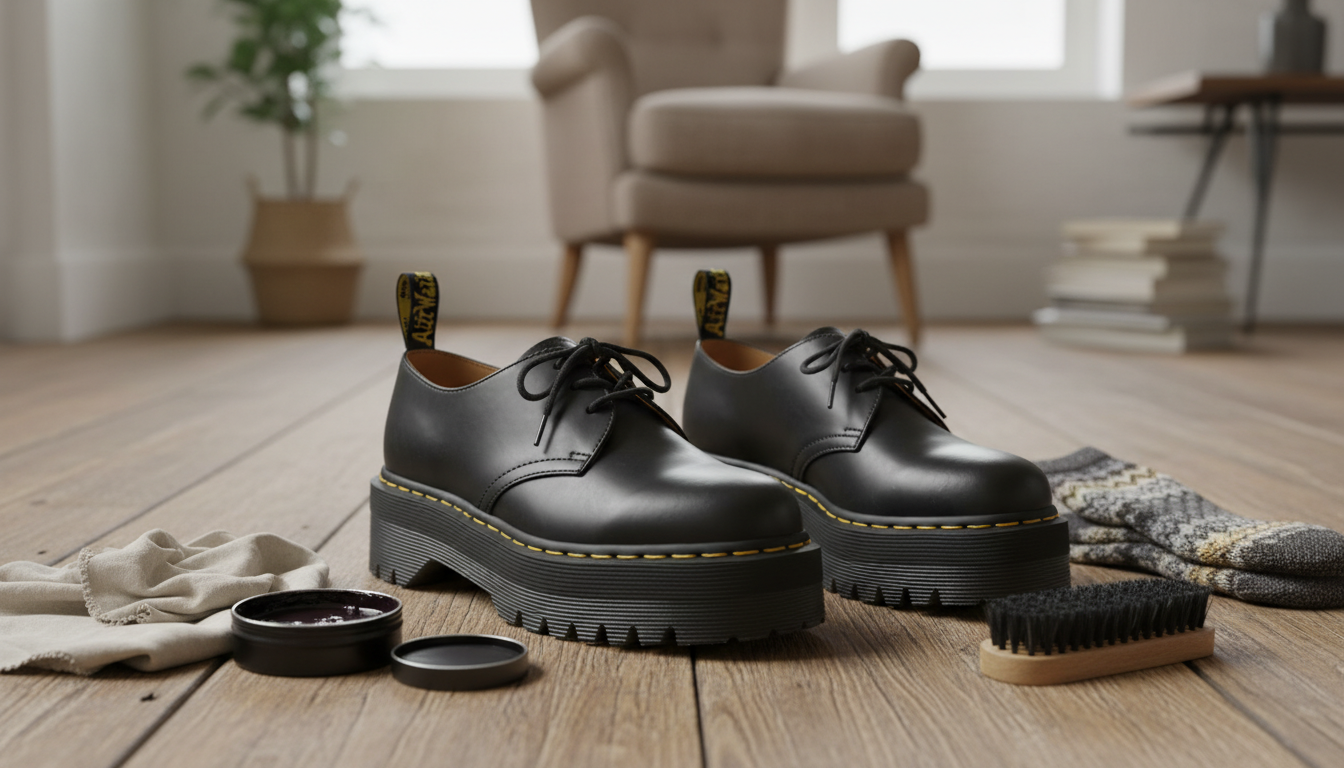
Dr. Martens lace-up shoes are known for their durable build, iconic silhouette, and everyday versatility—from workwear-inspired outfits to casual weekend looks. The details that matter most are fit, break-in time, leather type, sole feel, and long-term care. Use the guide below to choose the right size, avoid common comfort issues, and keep the leather looking its best.
What Makes These Lace-Up Shoes Stand Out
- Adjustable lace-up fit: The lace system lets you dial in tension through the midfoot, which can make the shoe feel more stable than slip-ons—especially on long walking days.
- Structured upper: Many pairs feel firm out of the box. With wear, the upper typically softens and starts to flex more naturally with your stride (how quickly that happens depends on the leather finish).
- Distinctive sole profile: The recognizable sole shape adds visual weight and helps the shoe look intentional with everything from denim to tailored pieces.
- Outfit range: Lace-ups can move between style lanes easily: crisp trousers, relaxed jeans, skirts with tights, or layered cold-weather looks.
Featured Picks (In Stock)
If you’re ready to shop, these in-stock items pair well with the fit-and-care tips below:
- Dr. Martens Women’s Lace-Up Shoes $147.99
- Luxe Hacks for Small Closets Checklist (Digital Download) $4.99 (a quick way to build outfits around statement shoes without overstuffing your closet)
Fit and Sizing: Getting the Right Feel on Day One
Getting the fit right matters more than any “hack.” A lace-up that’s slightly snug (but not painful) usually breaks in better than a pair that starts out roomy and rubs.
- Heel feel: Aim for a snug heel with minimal lift. Excessive heel slip often means the shoe is too long, the laces are too loose at the top, or both.
- Toe room: You want light wiggle space without sliding forward. If your toes feel pinched or you hit the front when walking, don’t rely on “stretching” to fix length.
- Between sizes: Decide based on how you’ll wear them most. Thin socks can make a closer fashion fit; thicker socks can make walking days more comfortable but require a bit more volume.
- Lacing as a fit tool: Tighten through the midfoot for narrow feet; relax slightly over the forefoot for higher insteps so you don’t feel pressure across the top of the foot.
- Insoles for micro-adjustments: If length is correct but the shoe feels a touch roomy, a thin insole can reduce excess volume—without forcing you into a too-short size.
Quick Fit Check Before Committing
| Checkpoint | What You Want | Fix If It Feels Off |
|---|---|---|
| Heel | Secure with slight, occasional lift | Tighten top eyelets; try heel grips; reassess size if slipping persists |
| Toe area | Comfortable space with no pinching | Try different size; avoid forcing a too-short fit |
| Midfoot | Supported without numbness | Adjust lacing pattern; loosen across instep if pressure builds |
| Collar/ankle line | No sharp rubbing when walking | Wear thicker socks during break-in; consider moleskin at hot spots |
| Overall length | Foot doesn’t slide forward downhill | Recheck size; add insole only if length is correct |
Break-In Without the Blisters
A smarter break-in plan focuses on reducing friction while letting the upper relax gradually.
- Start indoors first: Wear them around the house in short sessions to identify hot spots early—before you commit to a long walk.
- Use thicker socks at the start: Cushioned socks reduce rubbing while the upper is still stiff. Once the shoe softens, switch back to your usual socks to confirm the “real” fit.
- Condition lightly (when appropriate): A leather conditioner suited to your leather type can help keep the upper supple. Over-conditioning can make the surface attract dirt and can change the finish.
- Protect hot spots: Blister pads or moleskin are especially helpful at the heel and along the tongue edge where laces can create pressure.
- Avoid soaking and heat tricks: Aggressive methods can warp shape and weaken materials. Patience tends to preserve the structure that makes the shoe look sharp.
For brand-specific leather care guidance, reference Dr. Martens’ shoe care guides for material-appropriate recommendations.
Comfort and Support: What to Expect Over a Full Day
For general footwear fit and comfort tips, the American Podiatric Medical Association offers helpful foot-health guidance.
Outfit Pairings That Look Intentional
Care Routine: Keeping Leather and Soles Looking Fresh
When to Replace or Repair
FAQ
Do Dr. Martens lace-up shoes stretch over time?
They usually soften and give slightly as the upper breaks in, but the amount depends on the leather type and how snug the fit is. The length won’t meaningfully increase, so a too-short pair is unlikely to become comfortable.
How long does the break-in usually take?
Many pairs take a few short wears to a couple of weeks of regular use, depending on leather stiffness and how often you wear them. Gradual sessions, thick socks, and hot-spot protection can speed things up without damaging the shoe.
What socks work best to prevent heel blisters?
Thicker, cushioned socks tend to work best during the early wears, as long as they stay up and don’t bunch at the heel. If you already know your rub points, pair the socks with blister pads or moleskin for the first few outings.







Leave a comment