1000Y Hunting Laser Rangefinder: Angle, Speed & Distance
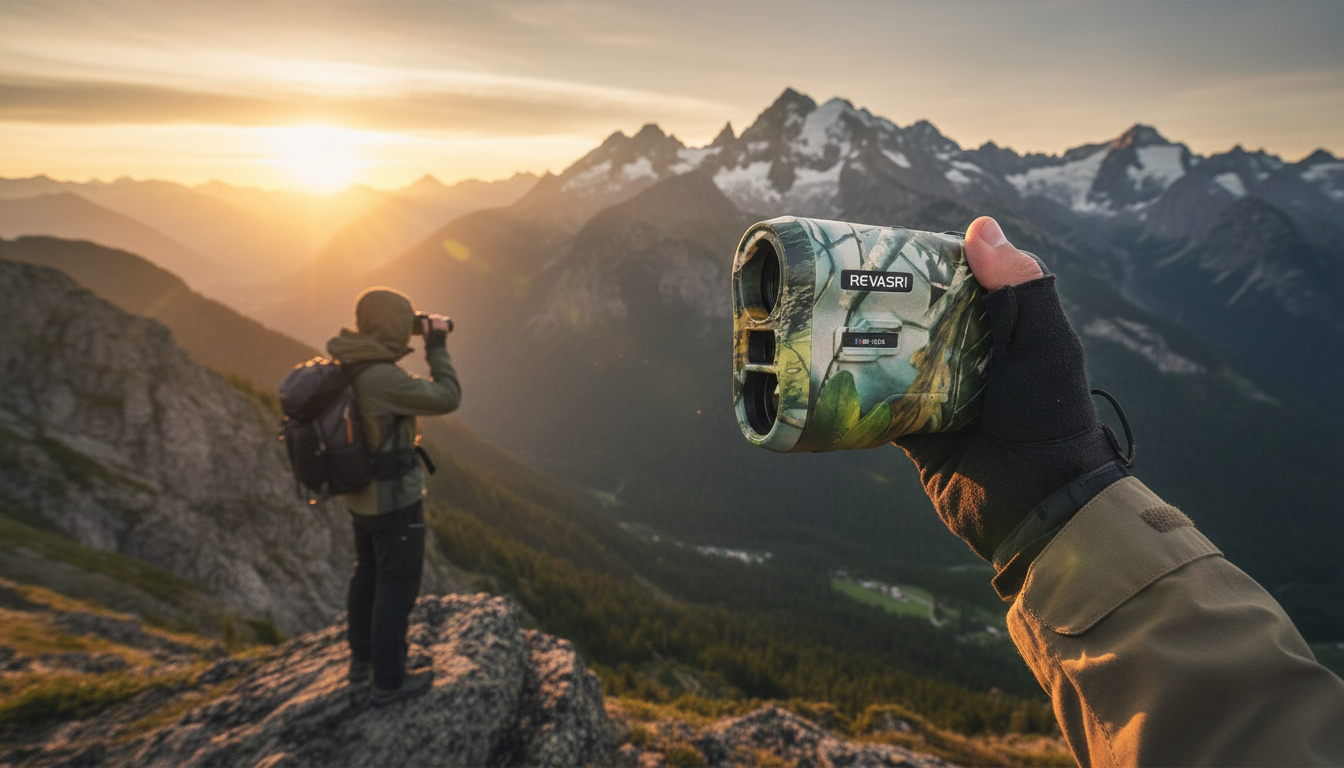
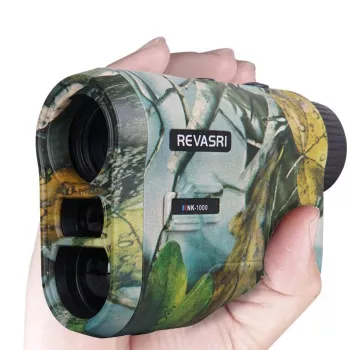
Hunting Laser Rangefinder 1000Y with Angle, Speed & Distance Measurement
Accurate ranging changes the outcome of a shot, especially when terrain, elevation, or moving targets complicate the moment. A compact laser rangefinder that measures distance, angle, and speed helps build faster, more confident decisions in the field—whether glassing across a cut, judging a steep hillside, or tracking movement. The goal is simple: reduce guesswork when seconds matter, and keep your process consistent from practice days to real hunts. For more guidance, see Advances in LiDAR Hardware Technology: Focus on Elastic ….
What this rangefinder is built to do
- Measure line-of-sight distance quickly for real-world shot planning.
- Provide angle readings for uphill/downhill scenarios where horizontal distance matters more than line-of-sight distance.
- Estimate target speed to support moving-target practice and situational awareness.
- Stay portable for pack, bino harness, or pocket carry during hunts and range sessions.
Distance, angle, and speed modes—when each one helps
Different conditions call for different readouts. The best routine is the one that’s easy to repeat under stress: confirm your mode, range, verify with a second reading, then make the decision to hold, dial, or move. For further reading, see REVASRI Range Finders Premium Online Website.
| Mode | What it measures | When to use it | Quick tip |
|---|---|---|---|
| Distance | Line-of-sight yardage to the target | Most shots on relatively level terrain | Range reflective objects nearby first to confirm device responsiveness |
| Angle | Incline/decline angle (often used to derive horizontal distance) | Hillsides, treestands, mountain hunts, canyon shots | Prioritize the horizontal/equivalent distance for ballistic holds when shots are steep |
| Speed | Target speed (unit depends on device settings) | Practice, observation, and movement estimation | Use a consistent tracking window and avoid panning too fast for steadier readings |
- Distance measurement is the core function for confirming yardage before dialing, holding over, or selecting a pin/sight mark.
- Angle measurement supports steep shots where line-of-sight distance can mislead holdover if used directly.
- Speed measurement adds value during practice (tracking a moving cart/vehicle at safe distances) and for estimating movement patterns at a glance.
- Switching modes should be simple enough to do with gloves on and without breaking focus from the target area.
Why angle matters on steep shots
On uphill or downhill lines of sight, gravity affects the projectile over the horizontal component of the distance—not the full slanted distance. That’s why steep terrain can “look” farther than it effectively shoots. Angle-aware ranging helps prevent over-holding on steep shots where line-of-sight yardage feels like the correct number, but the practical hold corresponds to a shorter horizontal/equivalent distance.
Angle support becomes especially valuable in mountain basins, treestand setups, or broken canyon terrain where quick mental math is unrealistic. Instead of pausing to calculate, you can range, confirm the angle-aware reading, and immediately decide whether your hold/dial matches the situation.
Realistic ranging performance: what affects readings
“Up to 1000 yards” performance depends heavily on what you’re ranging and what the environment is doing at that moment. A few real-world factors commonly influence consistency:
- Target reflectivity: Light-colored rock, signage, or reflective surfaces range easier than dark fur or shaded brush.
- Weather and visibility: Fog, heavy rain, and dust can reduce max distance and stability of the readout.
- Stability: Bracing elbows, using a pack as a rest, or exhaling during measurement improves repeatability.
- Target size and background: Small targets with busy backdrops (branches/grass) are harder to range cleanly than a clear edge.
For safe handling and general guidance around laser products, refer to the FDA overview of laser products and instruments. For hunting best practices and field safety fundamentals, the NSSF hunter education and safety resources are a strong baseline reference.
Field workflow: from spotting to shot decision
- Confirm mode (distance vs. angle) before ranging; steep terrain favors angle-aware readings.
- Range the target multiple times and note the most consistent result, especially on brushy edges or partial obstructions.
- Range a secondary reference (rock, tree, ridge behind the target zone) to understand backstop and depth.
- Build a quick “range map” by ranging common landmarks around likely shooting lanes while you have time.
- Use the reading to decide: holdover, turret dial, or reposition for a clearer lane and safer backstop.
Consistency beats complexity. A simple “range-confirm-act” routine makes better use of angle and distance features than trying to micromanage every reading while the situation is changing.
Comfort and handling considerations that matter outdoors
Care, battery, and storage
Product options
- Hunting Laser Rangefinder 1000Y with Angle, Speed & Distance Measurement
- Luxe Hacks for Small Closets Checklist | Digital Download Closet Organization Guide (useful for organizing hunting layers and gear so small essentials—like a rangefinder, spare battery, and cloth—are always easy to find)
| Item | Price | Availability |
|---|---|---|
| Hunting Laser Rangefinder 1000Y with Angle, Speed & Distance Measurement | 63.99 USD | In stock |
FAQ
Does angle measurement change the distance reading used for holdover?
Angle mode helps separate line-of-sight distance from the horizontal/equivalent distance that better matches how gravity affects the projectile. On steep uphill or downhill shots, the effective distance is often shorter than the slanted range, which can help prevent over-holding.
What reduces maximum ranging distance in real conditions?
Dark or non-reflective targets, fog/rain/dust, low light, shaky hands, small targets, and busy backgrounds can all shorten practical ranging distance. Bracing on a pack or tree and taking multiple readings usually improves consistency.
Is speed measurement useful for hunting?
It’s most useful for practice and observation—building awareness of movement and improving tracking discipline in safe settings. It shouldn’t be treated as a shortcut for taking risky shots; always follow local laws and prioritize safe shot selection.






Leave a comment