Fuel-Saving Driving Habits: Guide, Checklist & Prompts

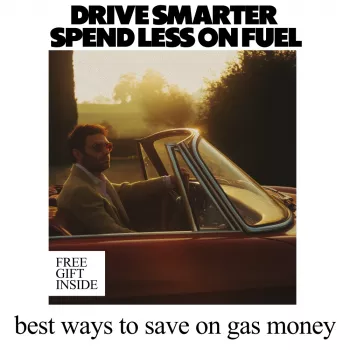
Drive Smarter, Spend Less on Fuel: A Practical Digital Guide for Real-World Savings
Fuel costs add up fast, especially with short trips, stop-and-go traffic, and neglected maintenance. Small choices—how quickly you accelerate, whether you idle, when you combine errands—can quietly add or subtract dollars from your monthly gas spend. The goal isn’t to turn every drive into a science project; it’s to focus on a few high-impact habits, quick car-care wins, and simple decision rules that reduce fuel use without making everyday driving feel like a chore.
What “fuel savings” really comes from
Better mileage typically comes from four buckets that work together. Fixing only one helps, but stacking a few changes is where the meaningful savings show up.
- Driving behavior: Acceleration, cruising speed, braking, and idling decisions change consumption immediately—no tools required.
- Vehicle condition: Tire pressure, alignment, filters, fluids, and sensor issues can quietly drain mileage without obvious symptoms.
- Trip planning: Combining errands, picking routes, and timing travel can cut “wasted miles” and inefficient cold starts.
- Budget habits: Simple policies (apps, thresholds, refill rules) reduce “leakage” from convenience stops and inconsistent tracking.
For baseline guidance and comparisons across vehicles, fueleconomy.gov is a solid reference for understanding how speed, driving style, and vehicle choices affect consumption.
Quick wins to start saving this week
If you want results without overhauling your routine, start here. These are the moves that tend to deliver the fastest payoff in the real world.
- Keep speeds moderate and steady: Higher highway speeds raise fuel use more than most drivers expect, especially above typical flow speed.
- Accelerate smoothly: Gradual throttle keeps the engine out of high-consumption spikes.
- Anticipate lights and traffic: Avoid the “brake-then-gas” cycle by looking ahead and easing off early.
- Reduce idling: If you’re waiting longer than a short moment, shutting off (when safe and legal) prevents burning fuel at 0 mph.
- Remove unnecessary cargo and drag: Extra weight and roof accessories increase energy demand every mile.
- Use A/C wisely: At lower speeds, open windows may help; at higher speeds, windows can add drag, making A/C the better option.
High-impact habits and when to use them
| Habit | Best time to apply | Why it helps |
|---|---|---|
| Smooth acceleration | City driving, merges, hills | Cuts fuel spikes caused by hard throttle |
| Steady cruising | Highway stretches | Reduces constant speed changes that burn extra fuel |
| Anticipate stops | Approaching lights/traffic | Less braking means less re-accelerating |
| Limit idling | School pickup lines, long waits | Engines burn fuel even at 0 mph |
| Declutter the car | Before weekly errands/commutes | Less weight can improve efficiency |
Car care that protects mileage (without overdoing it)
Maintenance doesn’t need to be expensive to matter. The best approach is repeatable: check the items that commonly drift out of spec and create rolling resistance or inefficient combustion.
- Tire pressure: Check monthly and before road trips. Inflate to the vehicle placard specification (not the tire sidewall max). Underinflation can increase rolling resistance and wear.
- Alignment and rotation: Uneven wear can increase drag. If the car pulls, vibrates, or chews through tread quickly, get it checked.
- Air filter and cabin filter: A severely clogged engine air filter can affect performance; replace based on the owner’s manual and real condition.
- Oil and fluids: Follow the manufacturer schedule. Correct viscosity matters; the wrong oil can add friction and reduce efficiency.
- Check engine light: Don’t ignore it. Some faults (like oxygen sensor issues) can worsen fuel economy long before the car becomes undriveable.
For maintenance basics and emissions-related guidance, the EPA’s resources can be helpful: EPA.gov.
AI driving prompts that build better habits
Habits stick best when they’re simple and repeatable. A few short “mental cues” before and after driving can reduce waste without requiring constant attention.
- Pre-drive check prompt: “What’s my top goal for this trip—steady pace, no hard braking, minimal idling?”
- Traffic-light strategy prompt: “If the next light is red, can coasting replace braking?”
- Highway control prompt: “Set a comfortable target speed and hold it; avoid passing unless it meaningfully shortens the trip.”
- Post-drive reflection prompt: “Where did fuel waste happen—idle time, heavy acceleration, extra miles—and what’s one adjustment next trip?”
- Weekly habit prompt: “Which one maintenance item (tires, filters, fluids) is due or worth checking this week?”
Everyday gas budget hacks that stay realistic
If you like checking trends before you buy, AAA’s public tracker is a practical reference: AAA Gas Prices.
What’s included in the digital guide, eBook, and checklist
For drivers who want everything organized into a quick-reference system, Drive Smarter, Spend Less on Fuel – Digital Guide, eBook & Checklist brings the most effective actions into one place:
Want another quick-win checklist for home organization (which can also reduce “duplicate purchase” spending)? Pair it with Luxe Hacks for Small Closets Checklist for a simple, structured decluttering plan.
Getting started: a 15-minute setup plan
FAQ
How much can driving habits actually change fuel use?
It varies by vehicle, route, and traffic, but smooth acceleration, moderate speeds, and reduced idling can noticeably lower consumption over time. Track 4–6 fill-ups to establish your baseline and see how changes affect your real-world average.
Does premium gas improve fuel economy in most cars?
Most cars are designed for regular fuel, and premium typically doesn’t increase mileage unless the manufacturer specifically recommends it. Check your owner’s manual and the label on the fuel door for the correct octane.
What maintenance item is the fastest to check for better mileage?
Tire pressure is usually the quickest, most repeatable check with a real impact. If you notice pulling, vibration, uneven tire wear, or a warning light, addressing those issues can also protect efficiency.










Leave a comment