Sleep & Mood AI Checklist: 10-Min Daily Tracker

Sleep & Mood AI Mastery Checklist: A Simple Daily System for Better Rest and Emotional Balance
Consistent sleep and steadier moods usually come from small, repeatable choices—made visible, measured, and adjusted. This checklist-style tracker is built to help spot patterns between sleep, stress, energy, and emotions, then turn those patterns into a realistic daily routine using AI-friendly notes and structured check-ins.
What this checklist helps solve
- Unclear patterns: difficulty connecting bedtime habits, wake quality, and next-day mood
- Inconsistent routines: starting strong, then falling off after a few days
- Overthinking: too many variables, not enough structure to act on them
- Emotional swings: wanting a calmer baseline without guesswork
- Decision fatigue: needing a short daily flow that still captures the essentials
Sleep and mood influence each other in both directions: rough nights can amplify irritability, and high stress can make it harder to fall asleep. The goal isn’t to track everything—it’s to track just enough to reveal what reliably helps (and what quietly hurts).
What’s included in the Sleep & Mood AI Mastery Checklist
- Daily sleep log fields for bedtime, wake time, night awakenings, and perceived sleep quality
- Mood tracking checkpoints (morning, afternoon, evening) to capture changes across the day
- Guided prompts designed for quick summaries (short notes that can be reviewed for insights)
- Simple habit check boxes (light exposure, caffeine timing, hydration, movement, wind-down routine)
- Weekly reflection pages to identify triggers, supportive routines, and next-week adjustments
Typical tracking categories and how they connect
| Category | What to note | Why it matters |
|---|---|---|
| Sleep timing | Bedtime, wake time, naps | Stability often predicts mood and energy the next day |
| Sleep quality | Restfulness, awakenings, dreams/nightmares | Highlights stress load and recovery |
| Mood snapshots | Dominant emotion + intensity (1–10) | Reveals time-of-day patterns and triggers |
| Inputs | Caffeine, alcohol, late meals, screens | Common drivers of sleep disruption and irritability |
| Buffers | Movement, sunlight, social time, relaxation | Protective factors that support regulation |
If you want a ready-to-use format that keeps the daily work simple, the Sleep & Mood AI Mastery Checklist is designed to be quick to fill out and easy to review at the end of the week.
A practical daily flow (10 minutes total)
This routine is intentionally short so it survives busy weeks. Each check-in is a “small signal” that adds up to a clear trendline.
- Morning (2 minutes): record wake time, sleep quality, first mood snapshot, and one priority for the day
- Midday (2 minutes): mood snapshot + quick note on stress level, food/caffeine, and movement
- Evening (3 minutes): mood snapshot, wins, and any notable triggers or emotional spikes
- Wind-down (3 minutes): choose tomorrow’s “non-negotiable” sleep support habit (example: screens off 45 minutes before bed)
- Keep entries brief: a few words is enough for pattern detection
A helpful twist: write your notes as if you’re leaving a message for “next-week you.” Less storytelling, more clarity—what happened, what you felt, what helped, what you’d change.
Using AI without losing the human signal
- Use the checklist to collect clean, consistent inputs first; summaries work best with regular structure
- Ask for weekly summaries such as: top 3 sleep disruptors, top 3 mood stabilizers, and the strongest correlation observed
- Keep requests specific (example: “Summarize patterns between caffeine timing and sleep quality over the last 7 days.”)
- Avoid turning the system into constant optimization; the goal is steadier days, not perfect data
- If a recommendation increases stress, scale it down (smaller habit, fewer variables, shorter tracking window)
When your tracking shows a repeatable relationship—like late caffeine lining up with restless sleep—treat it as an experiment, not a verdict. Keep one change for a full week, then reassess. For foundational guidance on healthy sleep, see NHLBI — Healthy Sleep and CDC — Sleep and Sleep Disorders.
Who this works well for
Environment can quietly influence regulation too. A calmer space can reduce friction in your wind-down routine—especially when clutter becomes “visual noise.” If simplifying your routine includes simplifying your surroundings, the Luxe Hacks for Small Closets Checklist can support a faster, less stressful bedtime setup (clean pajamas, easy morning outfits, fewer last-minute decisions).
Simple guardrails for tracking mental health safely
Stress has measurable effects on the body, including sleep disruption and mood changes. For a research-backed overview, see American Psychological Association — Stress effects on the body.
Getting started quickly
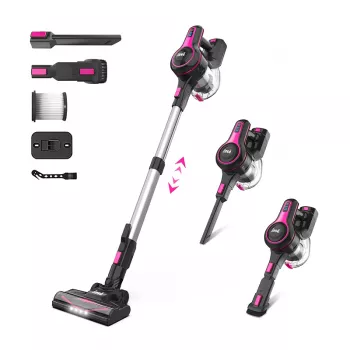
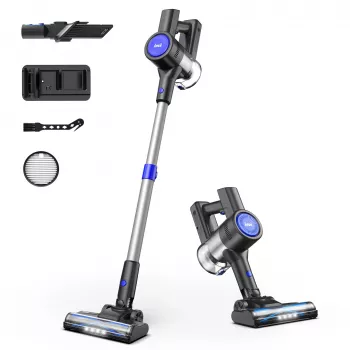
If your evenings feel rushed, consider removing small barriers earlier in the day. Even quick tidying can make the bedroom feel more ready for rest; a lightweight home-cleaning reset can help keep momentum without taking over your schedule. For a practical home tool option, see the Cordless Vacuum Cleaner, 235W Brushless Motor, 40Min Runtime, 6-in-1 Lightweight for Household Cleaning.
FAQ
Is this a digital download or a physical product?
The checklist is provided as a digital product you can access online and use on your device or print at home. Many people print a few weeks at a time or keep it in a notes app or tablet folder for quick daily check-ins.
Do I need an app, wearable, or a specific AI tool to use the checklist?
No. It works as a standalone checklist with simple fields you can fill out in minutes. Apps, wearables, or summary tools are optional and can be added later if you want extra context or weekly pattern reviews.
How long before patterns start to show up?
Many people notice early patterns in about 7–14 days, especially around bedtime timing, caffeine, and mood shifts. Starting with a few core fields (sleep timing, sleep quality, and three mood snapshots) makes it easier to stay consistent and spot trends sooner.








Leave a comment