Leash Training Basics: Loose-Leash Walking for Beginners
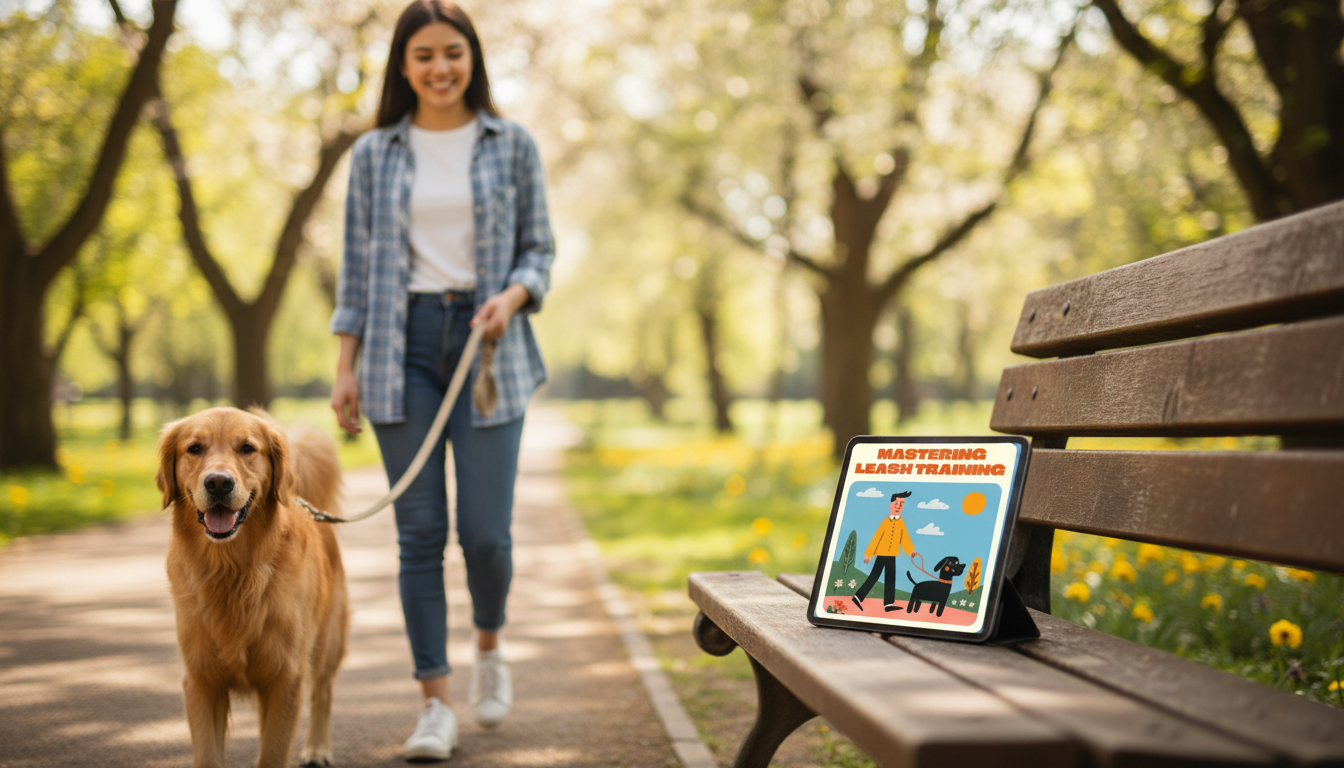
Mastering Leash Training for a Happy Dog: A Beginner’s Walking Guide
Leash training turns daily walks into calm, safe routines instead of a tug-of-war. With the right gear, clear cues, and short practice sessions, most dogs can learn to walk politely, check in with the handler, and recover quickly from distractions. The goal isn’t a “perfect heel” for every step—it’s a walk where both ends of the leash feel relaxed, connected, and safe.
What “good leash manners” look like
Before training, it helps to define success in everyday terms:
- Loose leash most of the walk: the leash forms a soft “J” instead of staying tight.
- The dog chooses to stay within a comfortable radius and can return when prompted.
- Natural sniffing breaks are allowed on cue, so the dog doesn’t feel deprived.
- The dog can pass common triggers (people, dogs, scooters) with manageable arousal.
- Safety basics are reliable: stopping at curbs, turning with you, accepting handling.
Set up for success before the first walk
Most leash problems start because the environment is too hard too soon. Stack the odds in your favor:
- Pick a low-distraction training route (quiet sidewalk, empty parking lot perimeter, hallway) before practicing busier areas.
- Schedule walks when your dog’s energy is manageable; add a short play session before training if needed.
- Use small, high-value rewards for early sessions; reduce food gradually as skills stabilize.
- Keep sessions short: 3–8 minutes of focused practice, then a decompression sniff walk.
- Decide on consistent cues: a release cue for sniffing, a cue for walking with you, and an attention cue.
Reward-based training is widely supported by humane training organizations because it builds trust and lowers stress. For deeper background, see the American Veterinary Society of Animal Behavior (AVSAB) position statements and the RSPCA guidance on training with rewards.
Equipment that supports calm walking
Choose humane, comfortable gear that prevents choking and gives clear feedback. Avoid tools that rely on pain or fear; discomfort can increase pulling or reactivity. Match equipment to your dog’s size, coat, and behavior (pulling vs. lunging vs. simply distracted). For training, a standard 4–6 ft leash is ideal; long lines are best for controlled sniffing and recall practice.
Common walking gear and when it helps
| Gear | Best for | Notes |
|---|---|---|
| Flat collar | Dogs that already walk politely | Ensure a two-finger fit; avoid repeated pressure on the neck if pulling happens. |
| Front-clip harness | Pullers learning loose-leash skills | Reduces pulling leverage; pair with rewards and direction changes. |
| Back-clip harness | Casual walks for non-pullers | Can encourage pulling in strong pullers; consider front-clip for training. |
| Head halter | Large, strong dogs needing extra management | Condition gradually; never jerk the leash; supervise fit carefully. |
| Treat pouch + clicker (optional) | Precise timing and fast reinforcement | A marker word can replace a clicker if preferred. |
Foundations at home: attention, position, and start cues
Think of home practice as building “walking muscles” before asking for them outside.
- Name/attention game: mark and reward quick eye contact; build to 1–2 seconds of focus.
- Hand target: teach your dog to touch your hand with their nose; use it to guide turns and reconnect after distractions.
- “Let’s go” start cue: say the cue, take one step, mark and reward your dog for moving with you.
- Reinforce the walking zone: reward at the seam of your pants or just ahead of your knee to discourage forging.
- Leash pressure as information: gentle tension means “come toward me,” then mark and reward the release of tension.
For beginners, consistency matters more than intensity. If multiple people walk the dog, agree on the same cues and the same reward location (by your knee). That alone often reduces mixed signals and frustration.
Loose-leash walking: the step-by-step method
Handling distractions without losing control
Common problems and quick fixes
A simple 2-week practice plan
Digital guide for beginners who want a clear routine
For a structured, printable approach with beginner-friendly steps, consider Mastering Leash Training for a Happy Dog (digital download). It’s designed to organize cues, practice sessions, and troubleshooting into a repeatable routine—especially helpful when multiple family members share walking duties or when a dog improves in familiar places but regresses in new environments.
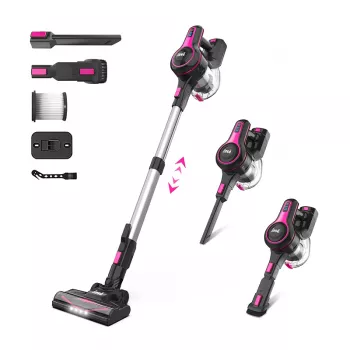
- 20Kpa Cordless Stick Vacuum Cleaner for Hard Floor, Carpet & Pet Hair for quick cleanups after treat training and shedding season.
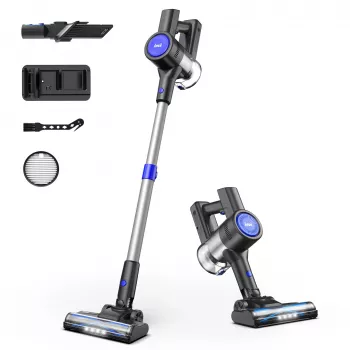
- Cordless Vacuum Cleaner, 235W Brushless Motor, 40Min Runtime, 6-in-1 for lightweight whole-home passes between deeper cleans.
FAQ
How long does leash training take for a beginner dog?
Most beginner dogs need weeks, not days, to build reliable loose-leash habits. The timeline depends on age, reinforcement history, and how distracting your walking routes are, but short daily sessions with gradual increases in difficulty tend to produce steady progress.
Should a dog be allowed to sniff on walks?
Yes—sniffing is enriching and can lower stress. Use a release cue (like “go sniff”) so your dog gets that freedom without learning that pulling is the way to reach interesting smells.
What should be done when the dog pulls hard toward another dog or person?
Create distance immediately without yanking the leash—use an emergency U-turn or step off the path and feed a steady stream of small treats as you move away. Practice calm “notice and check in” skills later from a safer distance where your dog can stay under threshold.








Leave a comment