Flying With Pets: Airline Rules, Paperwork & Calm Tips
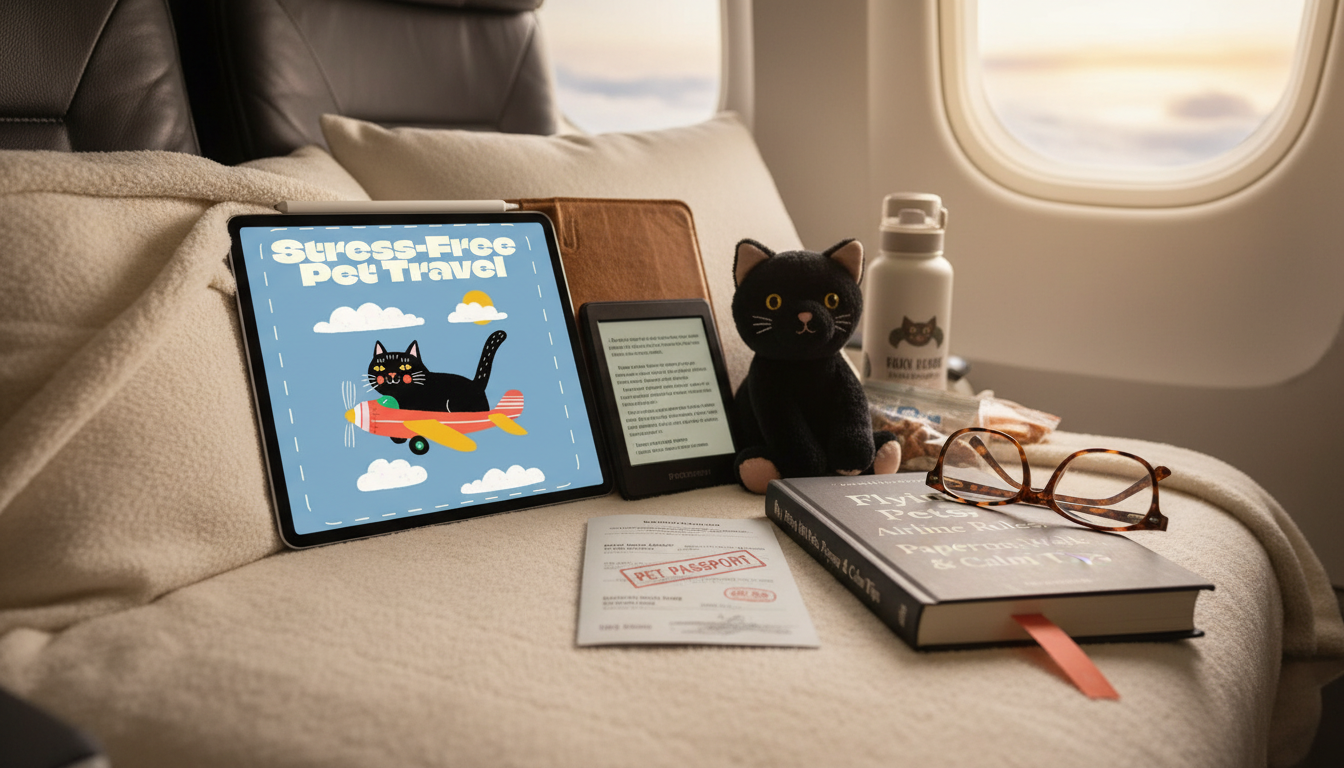
Flying with a pet goes smoothly when health requirements, airline rules, and comfort planning are handled early. This guide lays out a practical, step-by-step approach for choosing a travel setup, preparing documents, training for the carrier, managing airport time, and keeping pets calm and safe from check-in to landing.
Start With the Right Travel Plan for Your Pet
Before you book anything, decide whether the trip is truly necessary. Very young pets, seniors, and medically fragile animals may do better with alternatives like a trusted pet sitter or ground travel.
Next, identify risk factors early: snub-nosed breeds (often subject to airline restrictions), a history of anxiety, chronic illness, motion sensitivity, and extreme temperatures at your departure or arrival airports. These details affect flight selection, where your pet can ride, and what paperwork you’ll need.
If your pet can travel in-cabin, that’s usually the least stressful option because they remain close to you. In-cabin feasibility depends on your pet’s size and temperament and the airline’s carrier limits. Schedule a vet visit with enough lead time for vaccines, microchip verification, parasite prevention, and destination-specific rules.
Airline Rules and Booking Details That Affect Everything
Read the airline’s pet policy before buying tickets. Look for route coverage, seasonal heat restrictions, breed limitations, and the number of pets allowed per cabin (some flights cap quickly).
As soon as you pick flights, call the airline and add your pet to the reservation. Ask specific questions: permitted carrier dimensions (soft vs. hard), where the carrier must fit (under-seat space varies by aircraft), pet fees, check-in timing, and required documents.
Choose flights that reduce stress: fewer connections, shorter total travel time, and milder weather windows. Seat choice matters too—avoid bulkhead rows that may not allow under-seat storage, and aim for a quieter area away from galleys when possible.
Documents and Health Requirements to Handle Early
Start by confirming destination rules. Domestic flights may be simpler, but international trips can involve microchip standards, rabies vaccination timelines, tapeworm treatment, import permits, or quarantine requirements. Two reliable starting points are USDA APHIS Pet Travel and CDC guidance on bringing an animal into the United States.
Request a health certificate only within the airline/destination validity window (some are as short as 10 days). Keep both digital backups and printed copies.
Have an ID plan: confirm microchip registration is current, ensure collar tags are readable, and add a label to the carrier with your name, phone number, and destination contact info. A simple travel folder helps: vet records, prescriptions, feeding schedule, emergency contacts, and recent photos of your pet (useful if you’re separated).
Carrier Training and Comfort Setup (The Calm Starts Here)
Choose an airline-compliant carrier that lets your pet stand and turn comfortably. Prioritize ventilation, a stable base, and secure closures. Then condition it like a safe den: keep it open at home, toss treats inside, and reward voluntary entry.
If you want a structured timeline, call script, and printable checklists to make training and prep easier, The Complete Guide to Stress-Free Pet Travel (ebook) walks through first flights, anxious pets, multi-leg trips, and documentation planning in a step-by-step format.
Cabin vs Cargo: Choosing the Safest, Least Stressful Option
In-cabin is typically preferable for small pets who can remain in a carrier under the seat for the full flight. For pets that must travel as checked or manifest cargo, confirm airline safety protocols, temperature controls, and handling procedures; the IATA Live Animals Regulations overview is a helpful reference point when comparing standards and terminology.
| Factor | In-cabin (under-seat carrier) | Cargo (checked/manifest) |
|---|---|---|
| Stress level | Usually lower (owner nearby) | Often higher (separation, noise) |
| Best for | Small dogs/cats comfortable in carrier | Pets that cannot fit in-cabin due to size/route rules |
| Main constraints | Carrier size limits, limited pet slots | Weather restrictions, handling logistics |
| Planning focus | Carrier training, airport routines | Crate compliance, nonstop timing, airline safety checks |
Airport and Flight Day Checklist (Reduce Surprises)
Calming Strategies That Don’t Rely on Last-Minute Fixes
What to Pack: A Lightweight Kit That Covers Real-World Problems
Containment matters: bring a harness that fits securely, ensure the carrier is labeled with contact info, and pack an extra ID tag. For cleanup and comfort, include a small towel and disposable gloves. If you’re organizing multiple lists (pet items, your carry-on, car kit), a simple digital checklist like Luxe Hacks for Small Closets Checklist (Digital Download) can be repurposed to keep “grab-and-go” travel categories consistent.
When you return, quick cleanup helps reduce lingering stress (and pet hair everywhere). A lightweight option like the 20Kpa Cordless Stick Vacuum Cleaner for Hard Floor, Carpet & Pet Hair makes it easier to reset your space after travel crates and carriers come back out.
When Things Go Sideways: Delays, Cancellations, and Missed Connections
FAQ
Should pets be sedated for flying?
Routine sedation is generally discouraged because it can increase medical risk at altitude and interfere with balance and temperature regulation. Talk with a veterinarian for individualized guidance and safer alternatives like training, pheromone support, or vet-approved anti-nausea medication when appropriate.
How early should a pet get used to the carrier before a flight?
Start weeks in advance when possible. Build up gradually from open-door treat sessions to short closures, carrying the carrier, and brief car rides until your pet can settle calmly for the full expected travel duration.
What documents are typically needed to fly with a dog or cat?
Requirements vary by airline and destination, but commonly include a health certificate within a validity window, rabies vaccination proof, and microchip information. International travel may also require import permits, parasite treatments, or other destination-specific paperwork.












Leave a comment