Copper & Glass Postmodern Chandelier for Living & Dining
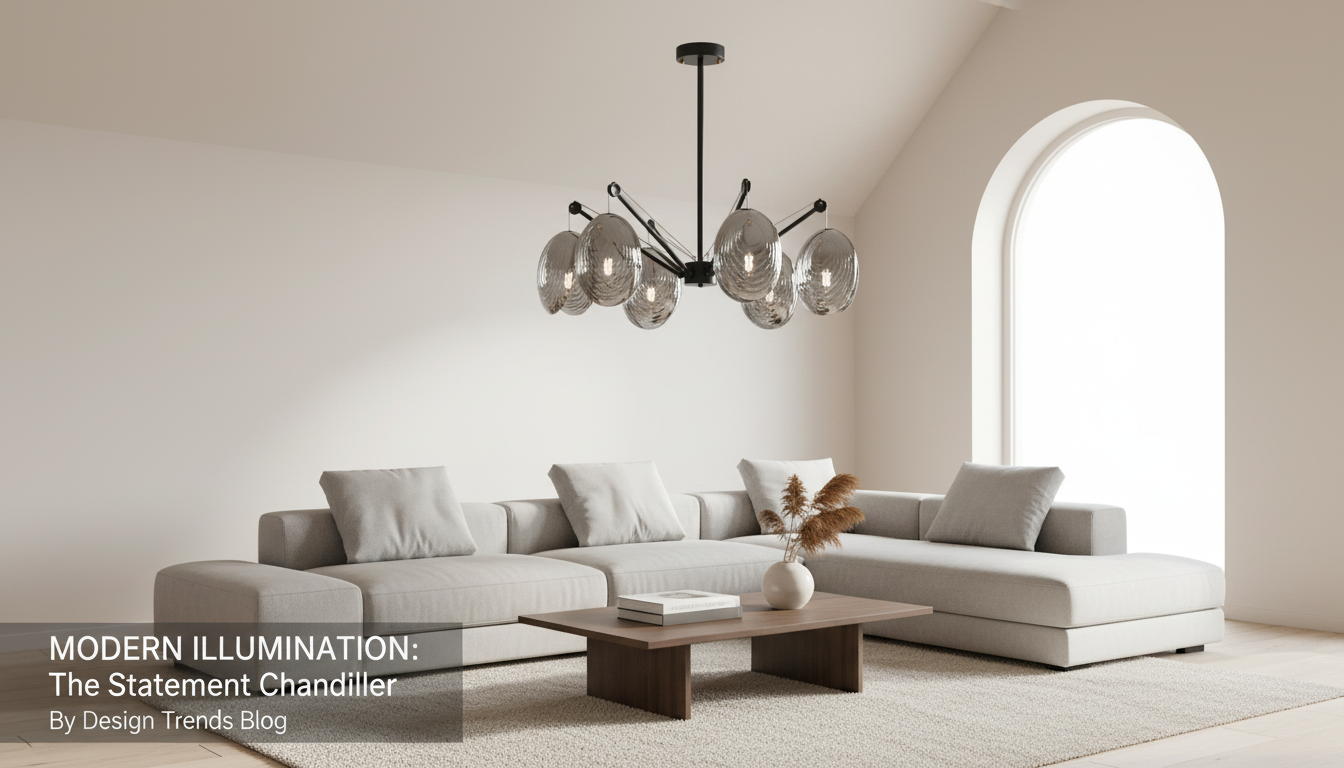
Luxury Postmodern Copper Glass Chandelier for Living Room and Dining Spaces
A statement chandelier can define an entire room—especially when warm copper tones meet luminous glass in a postmodern silhouette. This piece is designed to anchor seating areas and dining settings with layered light, reflective depth, and a sculptural profile that feels intentional from every angle. If you’re updating an open-plan layout or refining a dining moment that needs more presence, the Luxury Postmodern Copper Glass Chandelier for Living Room and Dining Spaces delivers a high-impact centerpiece without sacrificing a comfortable, livable glow. For more guidance, see [PDF] At Home in Manhattan: Modern Decorative Arts, 1925 to the ….
What makes this chandelier feel postmodern
Postmodern lighting tends to look like art first and illumination second—then surprises you by doing both extremely well. This chandelier leans into that spirit with a form that reads as décor even when it’s off. For further reading, see [PDF] April 26-May 3, 2025 – Garden Club of Virginia.
- Sculptural presence that holds its own as a focal point, day or night
- Balanced mix of geometry and softness: crisp metal lines contrasted with glowing glass
- Fits eclectic interiors without forcing the room into a single strict style
- Best in spaces where ceiling height and sightlines let the shape be appreciated (open-plan living/dining, high ceilings, or centered seating layouts)
Copper + glass: how the materials shape the look
Material choice determines whether a chandelier feels stark, traditional, or quietly luxurious. Copper and glass strike a sweet spot: warm enough to soften modern rooms, refined enough to elevate transitional spaces.
- Copper finish adds warmth that pairs naturally with wood, stone, and neutral upholstery
- Glass elements help diffuse glare and create a softer, more ambient spread of light
- The copper surface visually “lifts” warm bulbs and adds depth next to cooler materials like concrete or stainless steel
- In mixed-metal rooms, copper can act as a bridge between brass, black hardware, and brushed nickel accents
For homes with a lot of straight lines—slab cabinet fronts, modern railings, or streamlined furniture—glass brings a gentle glow that keeps the room from feeling overly sharp. Copper, meanwhile, adds a “finished” note that looks considered rather than purely utilitarian.
Light quality and the mood it creates
This style of chandelier is typically ambient-first: it creates a flattering, social atmosphere rather than a harsh, overhead spotlight effect. That makes it especially well-suited to dining and living rooms, where comfort matters as much as visibility.
- Ambient-forward illumination: ideal for conversation zones and dining atmospheres
- For dining spaces, warmer color temperatures tend to flatter food and finishes (soft white to warm white)
- In living rooms, pair with layered lighting (floor lamp, wall sconce, or table lamp) to avoid relying on a single overhead source
- Dimming capability (when supported by the bulb and switch) helps shift from functional brightness to evening ambience
If you like the chandelier to feel “present” without dominating the room, dimming is the easiest way to fine-tune the vibe—brighter for setting the table and cleaning up, lower for lingering conversations.
Sizing and placement for living rooms and dining areas
Even the best chandelier can feel awkward if it’s slightly off-center or hung at the wrong height. The goal is to make the fixture feel connected to the room’s main anchor—your dining table or your seating arrangement—while leaving enough visual breathing room for the design to read cleanly.
Quick placement guide
| Location | Common hanging height | Practical tip |
|---|---|---|
| Dining table | About 30–36 in (76–91 cm) above tabletop | Adjust higher for tall centerpieces or frequent standing/sitting traffic |
| Living room (center of seating) | Keep bottom comfortably above head height in walkways | Use side lighting to reduce harsh overhead shadows |
| Open-plan living/dining | Visually align with each zone’s anchor | Maintain consistent metal finishes across zones for cohesion |
Installation and electrical considerations
For safety and code-aligned work, consult references such as NFPA 70: National Electrical Code (NEC) and consider fixtures and components evaluated through recognized testing programs like UL lighting certification. For deeper lighting guidance, the Illuminating Engineering Society (IES) is a widely respected resource.
Styling ideas: making copper and glass look intentional
One practical tip: once the chandelier is installed, clean the space thoroughly so the finish reads crisp and intentional. A lightweight tool like the Cordless Vacuum Cleaner, 235W Brushless Motor, 40Min Runtime, 6-in-1 Lightweight for Household Cleaning can help tidy drywall dust around baseboards and under the dining table after setup.
Care and maintenance for copper finishes and glass
At-a-glance product snapshot
| Detail | Value |
|---|---|
| Product | Luxury Postmodern Copper Glass Chandelier for Living Room and Dining Spaces |
| Price | 1011.99 USD |
| Availability | In stock |
FAQ
Can this chandelier be used with a dimmer switch?
Yes, as long as the bulb type and the dimmer are compatible with each other and with the fixture. Many LED bulbs require an LED-rated dimmer, so check both bulb and switch specs before installing.
What bulb color temperature works best with copper and glass?
Warm to soft white typically looks best for living rooms and dining areas because it enhances copper’s warmth and keeps glass glow inviting. Cooler temperatures can feel more modern, but they may make the copper read less rich.
How should copper-finish lighting be cleaned without damaging the surface?
Dust with a microfiber cloth and use only non-abrasive cleaners, avoiding harsh chemicals or scouring pads. Always turn off power first, let the fixture cool, and spot-test any product on a hidden area.








Leave a comment