Clean-Pour Electric Citrus Juicer: Stainless Filter, 1 Cone
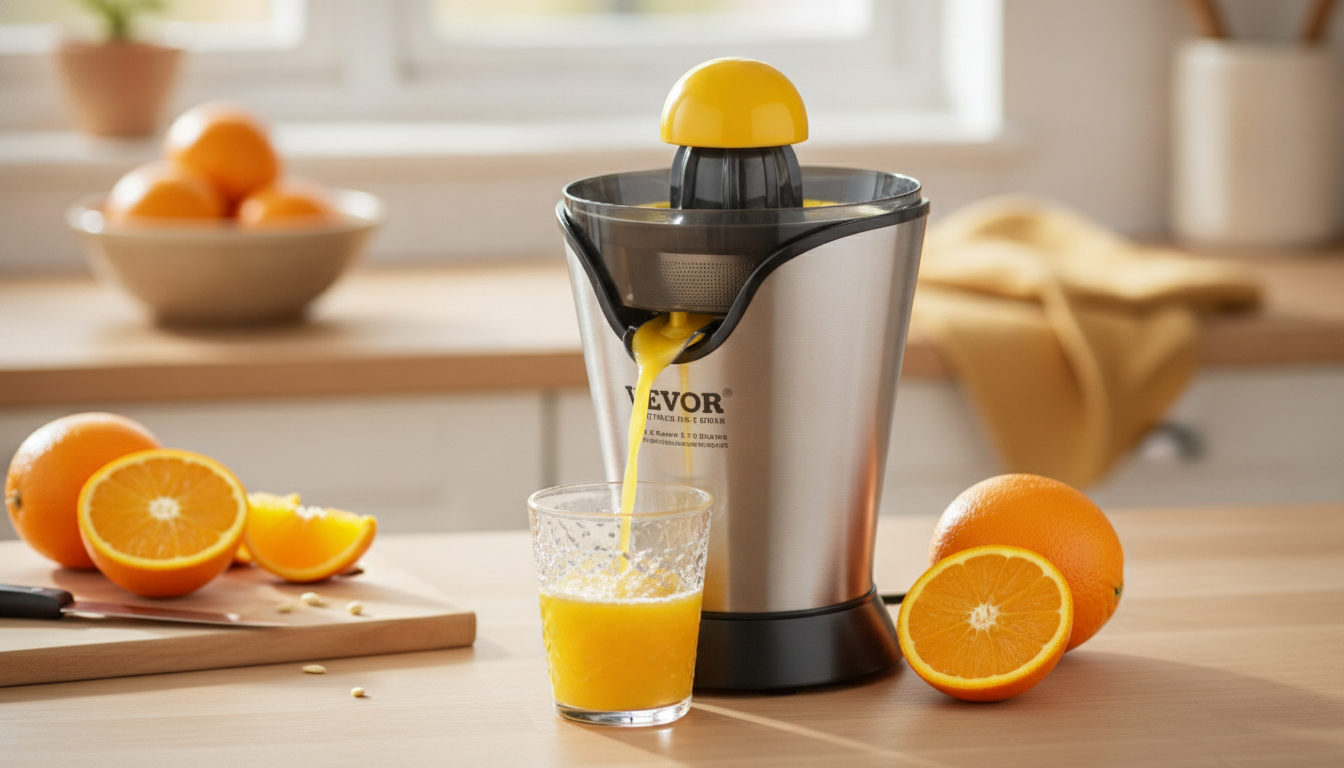
Electric Citrus Juicer with Stainless Steel Filter and One Juicing Cone
A countertop citrus juicer should make fresh juice fast, keep seeds and excess pulp out of the glass, and clean up without turning into a project. This electric model pairs a stainless steel filter with a single juicing cone for straightforward, consistent results across everyday citrus. Whether you’re squeezing lemons for morning water, limes for tacos, or oranges for weekend brunch, the goal is the same: efficient pressing, a cleaner pour, and fewer parts to deal with afterward.
What stands out at a glance
- Electric pressing helps reduce hand fatigue compared with manual reamers—useful for frequent juicing or larger batches.
- Stainless steel filter supports cleaner pours by catching seeds and larger pulp pieces while staying resistant to staining and odors.
- Single juicing cone keeps setup simple and compact—ideal for kitchens that value fewer parts to store and wash.
- Best suited for common citrus sizes (lemons, limes, small-to-medium oranges); large grapefruit may require more repositioning on a single cone.
If you want a straightforward, everyday juicer that’s ready to go with minimal assembly, this style hits the sweet spot: plug in, press, pour, rinse.
Design and materials that matter for daily use
Stainless steel filter: the quiet hero
The stainless steel filter is doing two jobs at once: letting juice flow quickly while holding back seeds and chunkier pulp. For daily use, tight, evenly spaced perforations are the practical sweet spot—fast enough that juice doesn’t pool, but fine enough that the first pour doesn’t look like a smoothie. Stainless steel also tends to resist citrus staining and lingering odors better than porous plastics, especially when you’re juicing often.
One juicing cone: fewer parts, fewer decisions
A single cone usually lands in a “middle size” profile, which is why it works well across lemons and oranges without swapping attachments. With very small limes, use steadier downward pressure to maximize contact with the cone. With larger fruit, it’s more about technique: rotate and press from a couple angles rather than trying to force everything out in one push.
Smoother surfaces and stable footing
Body and spout areas with fewer seams tend to clean faster because pulp doesn’t wedge into creases. Stability also matters more than it seems—firmer fruit (like thick-skinned lemons) can make lighter appliances “walk” on the counter, so a heavier base or anti-slip feet can reduce vibration and keep the pour aligned with your glass.
Juicing performance and pulp control
Stainless steel filtration typically improves seed capture right away, but even the best filter can load up with fine pulp during back-to-back juicing. If you notice the flow slowing, pause midway, lift the fruit, and tap or clear the filter so juice can pass through freely again.
Small technique tweaks that increase yield
- Roll citrus on the counter before cutting to loosen juice sacs.
- Cut crosswise (through the “equator”) to expose more juice pockets for the cone to press.
- Juice at room temperature when possible; cold fruit often yields slightly less and can taste sharper.
- For large oranges on a single cone, press once, rotate the rind, then press again to reach remaining segments.
Juice clarity and texture settings (simple adjustments)
| Goal | What to do | Result |
|---|---|---|
| Less pulp | Stop once midway, lift fruit, scrape/filter off pulp, continue | Cleaner pour; slightly slower process |
| More pulp | Press continuously without clearing filter | Thicker juice; faster workflow |
| Maximum yield | Roll fruit + room temp + rotate rind during pressing | More juice extracted from each half |
| Fewer bitter notes | Avoid crushing peel; use steady pressure, not excessive force | Less peel oil in the juice |
If nutrition is part of your routine, citrus juice can contribute key vitamins and minerals; for a quick reference on what’s in different citrus varieties, you can compare entries in USDA FoodData Central.
Ease of use and cleanup
With a one-cone setup, cleanup is usually about speed and timing. Rinse immediately after juicing so pulp and natural sugars don’t dry into the filter perforations. A soft brush (or a gentle sponge edge) can clear the holes without scratching the metal. If citrus oils linger, warm water plus mild dish soap typically removes the film that holds odor.
For broader kitchen cleanliness basics—especially when switching between food tasks—review the FDA’s guidance on safe handling and preventing cross-contamination at FDA Food Safety Basics.
Noise, safety, and durability considerations
Who it fits best (and when to consider a different style)
In-stock picks to build a simple, tidy juice routine
- Electric Citrus Juicer with Stainless Steel Filter and One Juicing Cone ($87.80)
- Cordless Vacuum Cleaner, 235W Brushless Motor, 40Min Runtime, 6-in-1 Lightweight for Household Cleaning ($155.49)
- 20Kpa Cordless Stick Vacuum Cleaner for Hard Floor, Carpet & Pet Hair, Rose Red ($162.65)
FAQ
Does the stainless steel filter remove seeds and most pulp?
It typically catches seeds and larger pulp pieces for a cleaner pour. Fine pulp can still pass depending on the perforation size and how much pulp builds up, so clearing or rinsing the filter mid-juicing can make the juice noticeably clearer.
Can one juicing cone handle lemons, limes, and oranges?
Yes—one mid-size cone usually works well for common citrus like lemons, limes, and small-to-medium oranges. Very small limes may need steadier pressure, while large oranges or grapefruit often require rotating and pressing from multiple angles.
How should it be cleaned after juicing to prevent buildup?
Rinse the parts right after use, then wash with warm water and mild dish soap. Use a soft brush to clear filter holes, avoid abrasive pads on stainless steel, and dry thoroughly before reassembly.









Leave a comment