Cat Space Setup: A Calm, Enriching Home Territory
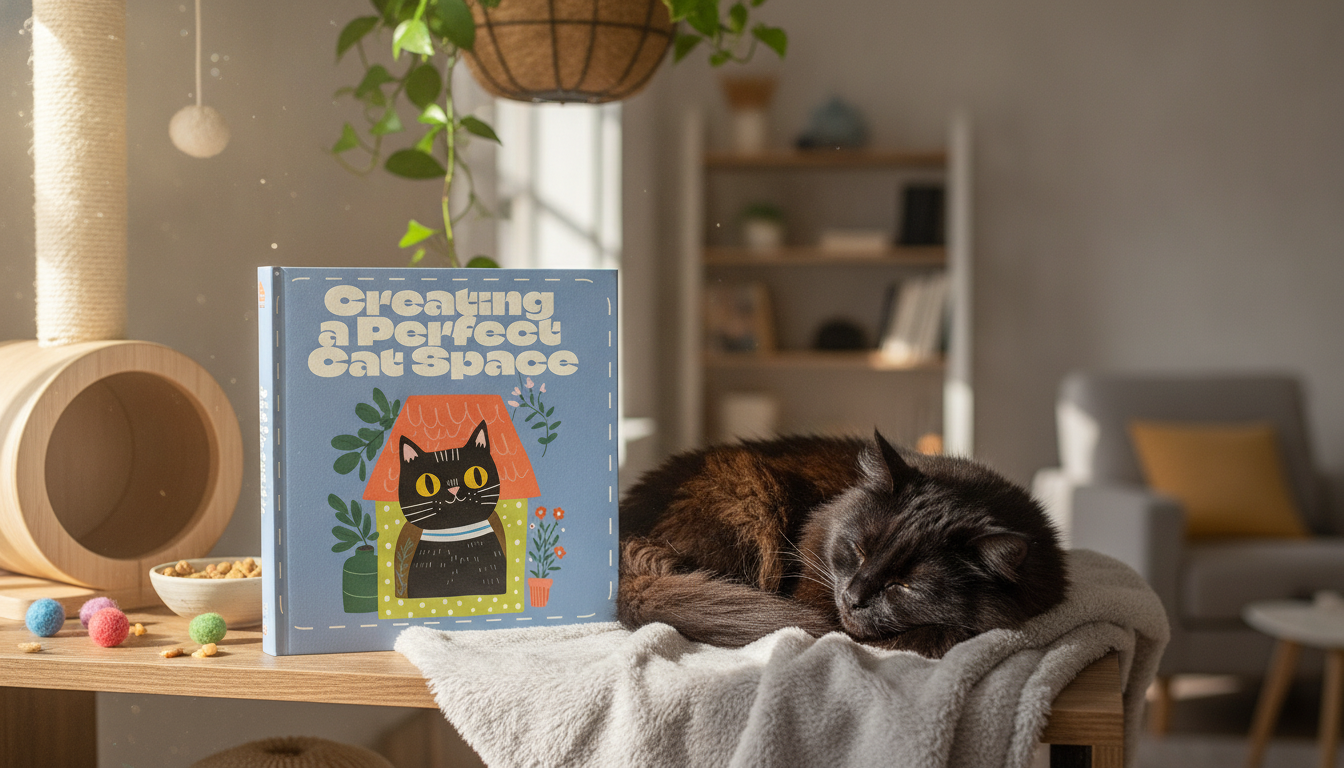
Creating a Perfect Cat Space at Home: A Step-by-Step Setup for Comfort and Enrichment
A well-planned cat area supports natural behaviors—resting, climbing, scratching, hiding, and observing—while making daily care easier. With a few smart layout choices, even a small home can feel bigger to a cat. Use the steps below to map a calm, enriching “mini territory” that stays clean, reduces stress, and encourages healthy routines.
Start With Your Cat’s Daily Rhythm
Before buying or moving anything, watch how your cat already uses your home. The best cat spaces feel “obvious” to the cat because they match existing habits.
- Track favorites: note preferred nap spots, lookout points, and when your cat is most active so the dedicated area feels naturally safe.
- Spot stress triggers: loud appliances, dog zones, busy hallways, or doorways that startle your cat are poor places for key resources.
- Plan for species-typical needs: cats do best with vertical territory, predictable routines, and separate zones for eating, drinking, toileting, and resting.
Pick the Right Location: Calm, Predictable, Easy to Maintain
Location matters more than square footage. A “cat corner” works when it offers security and a clear view without forcing your cat into the middle of household traffic.
- Choose a low-to-medium traffic edge: a room corner where your cat can watch the space is often ideal.
- Keep rest separate from litter and food: avoid setting the main bed area beside litter boxes, feeding stations, or noisy vents.
- Go vertical if you’re tight on floor space: tall cat trees, wall shelves, or sturdy furniture “steps” create territory without cluttering walkways.
Build the Space in Layers (So It Works Like a Mini Territory)
Think of the setup like a small, functional “apartment” for your cat—each layer adds a specific comfort or behavior outlet.
Layer 1—Safety
Add at least one covered option: a cave bed, a crate-style hide, or a quiet nook. A retreat spot lowers arousal and helps your cat settle faster after household activity.
Layer 2—Vertical Access
Provide a climbable route to a perch. A stable cat tree works, but so does a chair-to-shelf pathway or a sturdy dresser with a non-slip mat. The goal is an easy up-and-down route, not a single risky jump.
Layer 3—Scratching
Include at least one sturdy scratcher near sleep areas (cats often scratch after waking) and another near social areas (like where people gather). Offer both vertical and horizontal textures if possible.
Layer 4—Play and Hunting
Skip leaving a mountain of toys out. Instead, rotate a small set and prioritize interactive wand play and food puzzles to mimic stalking, chasing, and “capturing.”
Layer 5—Comfort
Soft bedding, stable temperature, and a consistent scent profile matter. Keep heavy fragrances, strong cleaners, and perfumed litter away from the core rest zone. For more guidance on feline-friendly environments, see International Cat Care and the AAFP Feline Behavior Guidelines.
Set Up Core Stations: Food, Water, Litter, and Rest
Once the layered “territory” is in place, dial in the core stations so your cat can meet needs without feeling trapped or interrupted.
- Separate stations: keep litter away from food and water, and ensure each station has a quiet access path.
- Offer multiple water options: a second bowl in a different area can noticeably increase drinking.
- In multi-cat homes: add more stations and space them out to reduce blocking, competition, and stress.
| Station | Best Placement | Helpful Add-ons | Common Mistake |
|---|---|---|---|
| Rest/Hide | Quiet corner with a view | Covered bed, blanket with familiar scent | Placing beside litter or loud appliances |
| Perch/Vertical | Near a window or room edge | Shelf steps, stable cat tree | Wobbly furniture or slippery surfaces |
| Scratching | Near sleep + near social area | Horizontal + vertical options | Tiny scratcher that tips over |
| Food | Calm spot with escape route | Non-slip mat, slow feeder if needed | Feeding in a tight corner with no exit |
| Water | Away from litter; multiple spots | Wide bowl or fountain | Placing water right next to food only |
| Litter | Private but accessible location | Extra box, unscented litter, mat | Hidden in a cramped, hard-to-clean space |
Make It Enriching Without Making It Messy
- Rotate weekly: keep a small “toy library” and swap 3–5 items to maintain novelty.
- Use puzzle feeding: treat scavenger hunts and food puzzles mimic foraging and can reduce boredom-related behaviors.
- Add low-cost sensory variety: cardboard scratch pads, paper bags (handles removed), and window watching are powerful options. The ASPCA enrichment guide includes practical ideas that fit most homes.
- Keep it tidy: a lidded bin for toys and a washable mat under feeding zones help control fur, crumbs, and scattered pieces.
Common Layout Mistakes (and Simple Fixes)
A Simple Weekend Checklist
Easy Upgrades From Our Store (Clean, Calm, and Practical)
- 20Kpa Cordless Stick Vacuum Cleaner for Hard Floor, Carpet & Pet Hair
- Cordless Vacuum Cleaner, 235W Brushless Motor, 40Min Runtime, 6-in-1 Lightweight
FAQ
How much space does a cat need for a dedicated area?
Even a small corner can work if it includes vertical space, a hide option, and nearby essentials. Layout quality—clear routes, a stable perch, and separation between stations—matters more than square footage.
Where should the litter box go if there’s limited space?
Choose a private but accessible spot with decent ventilation, and avoid tight, hard-to-clean closets. Keep it away from food and water, and consider a second box in multi-cat homes to reduce crowding and blocking.
How can enrichment be added without buying lots of new items?
Rotate what you already have, add safe DIY options like cardboard and paper bags with handles removed, and use window watching plus scheduled interactive play. Puzzle feeding and simple treat “hunts” can also add variety without adding clutter.










Leave a comment