AI-Personalized Bedtime Routine Guide for Better Sleep
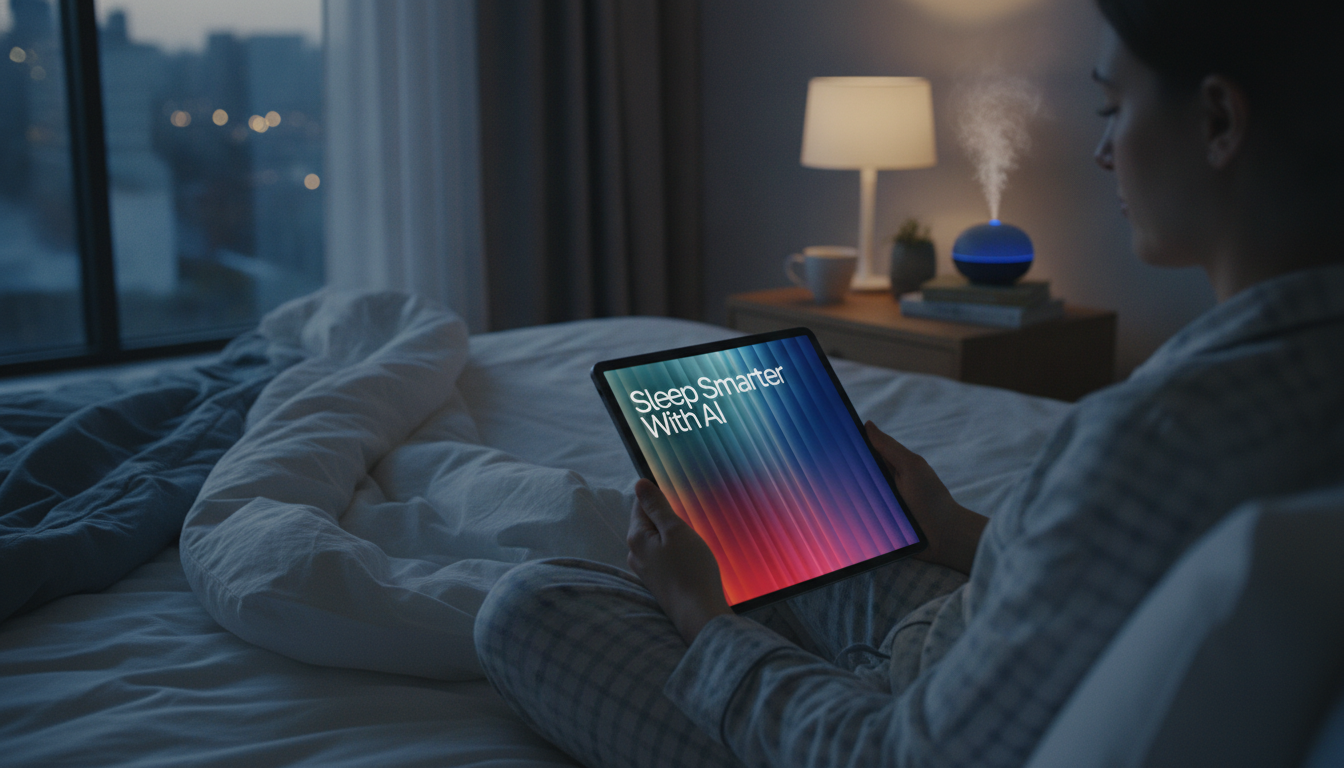
Sleep Smarter with AI: A Personalized Bedtime Routine Guide for Better Rest
A consistent wind-down routine can make falling asleep easier, improve sleep quality, and reduce next-day grogginess. The key is making the routine feel like it was built for your real evenings—your schedule, your stress level, your household, and the sleep obstacles that tend to show up at the worst possible time. This digital download turns bedtime planning into a simple, personalized system—using AI-friendly fill-ins and suggestions to match routines to chronotype tendencies, time constraints, and common sleep blockers.
If you’re also trying to align your sleep goals with healthy recommendations, the CDC’s sleep guidance and the American Academy of Sleep Medicine’s sleep education resources are useful references for sleep duration targets and practical sleep hygiene basics.
Why bedtime routines work when they feel personal
Bedtime routines work best when they’re predictable and repeatable, because consistency trains the brain to associate a familiar sequence with sleepiness. The problem is that many routines fail not because they’re “wrong,” but because they don’t fit the person trying to follow them.
Personal factors—work hours, light exposure, caffeine timing, exercise, anxiety, household noise, and even when dinner happens—often determine whether a routine helps or backfires. A plan that assumes uninterrupted quiet at 9:30 p.m. can collapse instantly in a home with kids, roommates, or late meetings.
AI-guided suggestions can reduce the trial-and-error by proposing realistic options, then refining them based on what actually happens night to night. Instead of chasing a perfect routine, the goal is small changes that stick: a routine that’s 80% doable every day usually beats an “ideal” plan that falls apart after a week.
What the digital guide includes
The download is designed to make bedtime planning feel more like a straightforward checklist than an open-ended self-improvement project. It includes a structured framework that breaks your evening into clear phases—prep, wind-down, lights-out, and if-awake support—so you’re never guessing what to do next.
You’ll also get fill-in prompts to generate personalized AI suggestions without complicated setup, plus a repeatable test-and-refine method to adjust timing, activities, and your environment based on real results. The format is printable-friendly and works just as well on a phone or tablet.
Guide components and how they’re used
| Component | Purpose | Best for |
|---|---|---|
| Routine phases (prep → wind-down → lights-out) | Creates a consistent sequence your body can learn | Anyone struggling with inconsistent bedtimes |
| AI suggestion prompts | Generates tailored ideas based on constraints and preferences | Busy schedules, decision fatigue, variable stress |
| Troubleshooting steps | Helps adjust what’s not working (light, timing, stimulation) | Frequent wake-ups or long sleep latency |
| Tracking notes | Turns bedtime into a measurable experiment | People who want clarity without obsessing |
How AI suggestions can personalize a routine without overcomplicating it
The simplest way to personalize a bedtime routine is to start with constraints, not ideals. Identify your realistic bedtime window, wake time, commute or morning duties, family responsibilities, medication timing, and your current evening habits (including the ones you wish you didn’t have).
Next, add preferences so the routine feels natural: shower vs. bath, reading vs. audio, stretching vs. breathing, and an overall routine length that actually fits your nights (10–45 minutes). This keeps you from building a plan you’ll resent.
Then use “if/then” branching so your routine is stable even when life isn’t. If dinner runs late, shorten wind-down. If your mind is racing, switch to a calming script or a brief journaling step. The best routines stay low-friction: aim for 3–6 core actions you can repeat, with optional extras only when they’re genuinely helpful.
A simple nightly flow to try (then refine)
If you want a baseline routine that covers the most common sleep derailers, try this sequence for a week and adjust only one variable at a time:
- 60–90 minutes before bed: Dim overhead lights, reduce intense tasks, and set a “last call” for work messages when possible.
- 30–45 minutes before bed: Hygiene and environment prep (room temp, fan/white noise, water by bed, and charging your phone away from your pillow).
- 15–20 minutes before bed: A calming activity like light stretching, breathing, gentle reading, or a low-stimulation podcast at low volume.
- Lights-out: Keep the bedroom for sleep and intimacy; if you’re awake for a long time, move to a quiet, dimly lit activity until sleepy again.
- Next morning: A quick note—when lights-out happened, how long it took to fall asleep, wake-ups, and what felt most relaxing.
For additional foundational sleep guidance, the National Heart, Lung, and Blood Institute offers practical education on healthy sleep and common factors that affect rest.
Common sleep blockers and routine upgrades that help
Using the guide as a 7-day reset (without perfectionism)
Who this works best for
Digital download details and quick start
- Sleep Smarter with AI – Bedtime Routine Guide for Better Rest (Digital Download)
- Luxe Hacks for Small Closets Checklist (Digital Download)
FAQ
Is this a sleep tracker or an app?
No—this is a digital download guide with structure, checklists, and fill-in prompts. It doesn’t require an app, a login, or a wearable device.
How long does it take to notice improvements?
Some people feel benefits within a few nights, especially from a more consistent lights-out routine, but meaningful changes often take 1–2 weeks. Tracking small markers like bedtime consistency and morning energy can make progress easier to notice.
Can AI suggestions help if the schedule changes often?
Yes—using a flexible “minimum routine” for late nights plus optional modules for normal nights helps you stay consistent without forcing a rigid plan. AI suggestions can also generate shorter versions automatically when time is tight.











Leave a comment