AI Grammar Checker Workflow for Clear, Confident Writing
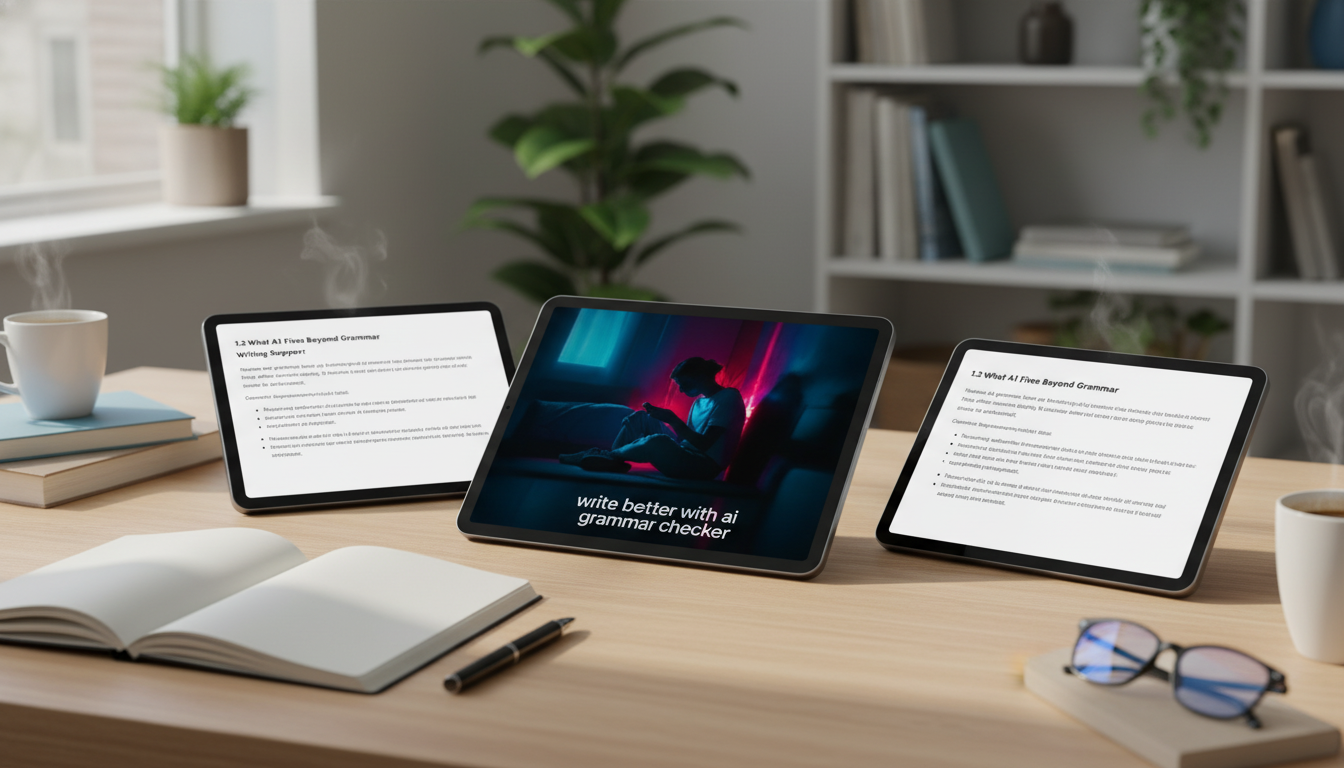
Write Better With an AI Grammar Checker for Clear, Confident Writing
Clear writing builds trust—whether the goal is a polished email, a persuasive proposal, or a smooth blog post. When sentences are easy to follow, readers spend less time decoding and more time understanding. That’s why a practical editing system matters just as much as “correct grammar.”
Write Better With AI Grammar Checker – AI Writing Guide (Digital Download) pairs a straightforward AI writing guide with a repeatable grammar-checking workflow and editing cues—so drafts become cleaner, more consistent, and easier to read without flattening your personal voice. For foundational grammar refreshers and style standards, it also helps to keep trusted references nearby like Purdue OWL’s grammar resources and the U.S. Plain Language Guidelines.
What This Digital Download Includes
- An AI writing guide focused on clarity, tone, and structure (not just correcting mistakes).
- A grammar checker approach that helps catch common issues like agreement errors, tense consistency problems, punctuation slips, and off word choice.
- Editing cues to refine sentences for concision, flow, and readability.
- A repeatable process for revising: draft → check → refine → final polish.
- Designed for quick use on everyday writing: emails, essays, product descriptions, newsletters, and reports.
If you also like using checklists for everyday systems, the same “step-by-step” mindset applies beyond writing. A separate digital tool like Luxe Hacks for Small Closets Checklist (Digital Download) is built around the same idea: reduce second-guessing by following a clear sequence.
Who It Helps Most
- Students improving grammar and readability while keeping assignments sounding natural.
- Professionals writing emails, briefs, proposals, and internal documentation with fewer back-and-forth edits.
- Creators and small businesses aiming for consistent, confident brand messaging.
- Non-native English writers who want fast feedback and clearer phrasing options.
- Anyone who over-edits: a structured checklist reduces second-guessing and “never-ending tweaks.”
A Simple Workflow for Stronger Writing
A grammar checker is most useful when it’s part of a consistent revision routine. Instead of trying to fix everything at once, separate your passes so each step has a single goal.
- Start with purpose: define audience, desired tone, and the single main takeaway.
- Run a first pass for structure: tighten the opening, add headings, and ensure each paragraph supports the point.
- Do a grammar and mechanics pass: check punctuation, agreement, verb tense, and formatting consistency.
- Do a clarity pass: replace vague phrases, remove filler, and shorten long sentences where meaning stays intact.
- Finish with a read-aloud check: listen for awkward rhythm, repeated words, and unclear references (this/it/they).
Revision Passes That Make the Biggest Difference
| Pass | What to Check | Quick Win |
|---|---|---|
| Structure | Main point, paragraph order, missing context | Add a 1–2 sentence opening that states the purpose |
| Grammar | Agreement, tense, punctuation, spelling | Standardize tense and fix run-on sentences |
| Clarity | Vague wording, extra length, weak verbs | Swap weak verbs for specific ones (e.g., “do” → “create/compile”) |
| Tone | Formality, confidence, politeness, bias | Replace hedging (“maybe”, “kind of”) with precise qualifiers when needed |
| Final polish | Consistency, formatting, readability | Scan for repeated words and simplify long noun phrases |
For tricky style details—especially compounds and hyphenation—having a reference point can save time and keep decisions consistent. The Chicago Manual of Style hyphenation overview is a helpful guide for common patterns.
Common Writing Problems an AI Grammar Checker Helps Catch
- Comma splices and run-on sentences that make writing feel careless or rushed.
- Subject–verb disagreement and tense drift across paragraphs, especially in longer drafts.
- Wordiness and filler that bury the main message (and make readers work harder).
- Inconsistent capitalization, hyphenation, and style choices that can look unprofessional even when the ideas are strong.
- Unclear references (pronouns without a clear noun) and confusing sentence structure that forces rereading.
The most valuable outcome isn’t perfection—it’s predictability. When the same issues keep popping up, a checklist-based system helps you spot them earlier and fix them faster.
Keeping Your Voice While Editing
One concern about grammar tools is that writing can start to sound generic. The workaround is simple: treat suggestions like a menu, not a mandate.
- Treat suggestions as options: accept what improves meaning, reject what changes intent.
- Maintain audience-fit terminology: keep technical language when the reader expects it; simplify when they don’t.
- Use a consistency rule: decide on spelling (US/UK), serial comma, and heading style, then apply it everywhere.
- Prefer clarity over complexity: a simpler sentence can still sound professional and informed.
- Create a short “voice checklist”: pick 3–5 traits (confident, friendly, direct) and review the final draft against them.
Where This Guide Fits Into Daily Writing
Product Details
To get started, visit Write Better With AI Grammar Checker – AI Writing Guide (Digital Download) and keep it handy as a repeatable “finish line” for drafts that need to sound clear and confident.
FAQ
Is this a digital download or a physical book?
It’s a digital download. After purchase, it can be accessed on common devices like a phone, tablet, or laptop, and you can save it for quick reference (and print it if you prefer paper checklists).
Does an AI grammar checker replace proofreading?
No. It speeds up catching common errors and consistency issues, but a final human review is still important for nuance, facts, names, and making sure the message matches your intent.
Will it help with tone and clarity, not just grammar?
Yes. Along with grammar and mechanics, the guide uses structured revision steps and editing cues to improve clarity and confidence while helping you keep your voice and audience-appropriate wording.










Leave a comment