Adjustable Rolling Garment Rack: 3-Tier Closet on Wheels
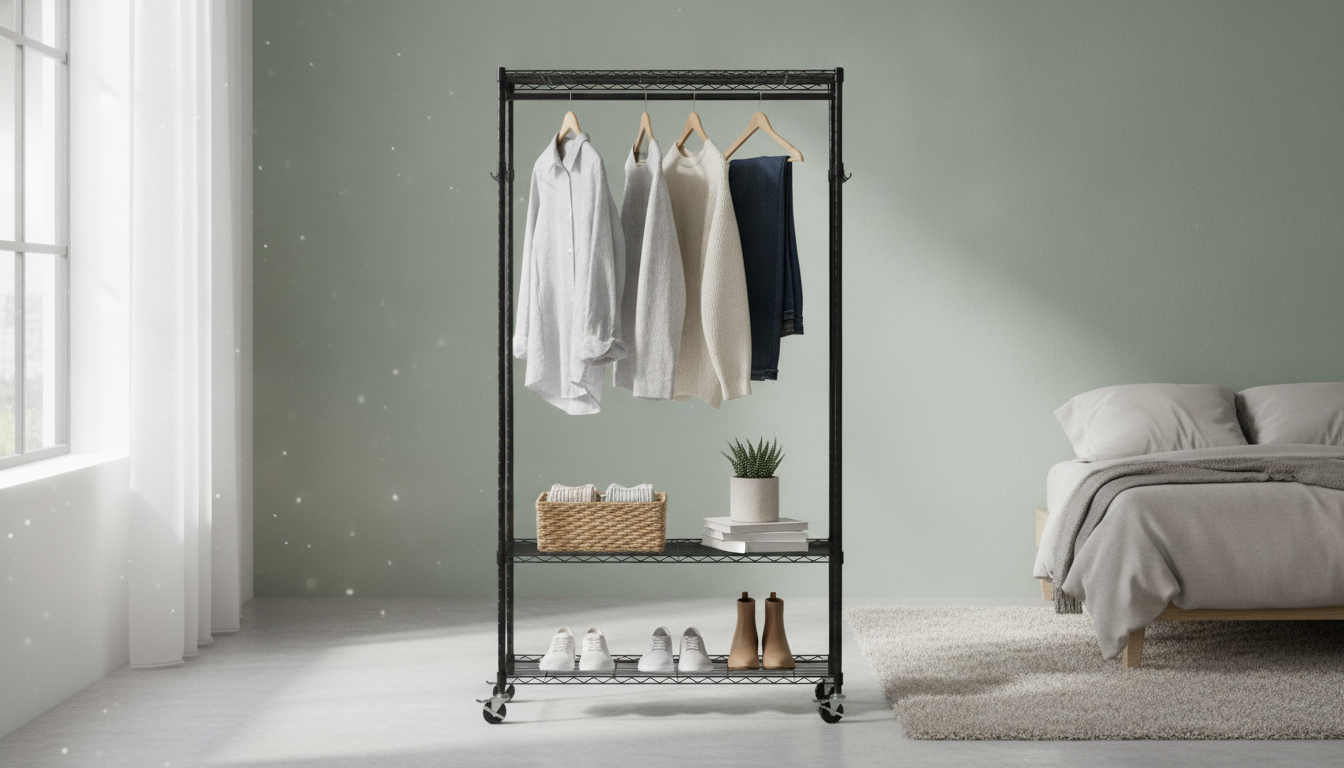
Adjustable Height Rolling Clothing Garment Rack with 3 Storage Tiers: Flexible Closet Space That Moves With You
A rolling garment rack with adjustable height and built-in storage tiers turns spare corners, laundry rooms, and bedrooms into flexible closet space. With room to hang everyday outfits and stack shoes, bins, or folded items below, it’s a practical option for renters, small closets, and seasonal wardrobe swaps—especially when a traditional dresser or wardrobe feels too fixed for how life actually flows.
What This Rack Solves in Everyday Spaces
When storage is limited, the problem usually isn’t “too many clothes”—it’s not enough accessible, organized space. A rolling rack helps by adding an instant, visible place for the items that are actively in use.
- Adds instant hanging space when a closet rod is overcrowded or unavailable
- Creates a staging area for outfits, steaming, or next-day looks
- Keeps shoes, bags, and folded accessories together on the lower tiers
- Moves easily between bedroom, laundry area, or dressing space when needed
- Helps separate “in rotation” clothing from long-term storage
Design Highlights to Look For
A good garment rack isn’t just a bar on wheels. The details determine whether it stays stable, rolls smoothly, and keeps items within reach without turning into a clutter magnet.
- Adjustable height: supports both shorter garments (shirts, blouses) and longer pieces (dresses, coats) when raised
- Rolling casters: makes it easier to clean floors and reposition the rack without unloading it
- Three storage tiers: a dedicated place for shoes, storage boxes, folded jeans, or handbags
- Open frame access: quick visibility for getting ready, packing, or planning weekly outfits
- Balanced layout: hanging area above with weight distributed over the base and shelves
Best Ways to Use the 3 Storage Tiers
Three tiers can be deceptively powerful: instead of scattering “small stuff” across the room, each shelf can carry a clear job. The easiest way to keep it looking tidy is to assign categories and stick to them.
- Bottom tier: heavier items like shoes, folded denim, or small baskets to help keep the rack grounded
- Middle tier: daily-grab items such as bags, belts in bins, lint roller, or a small organizer tray
- Top hanging bar: separate by category (workwear, gym, outerwear) or by day of the week
- Use matching bins to prevent small accessories from sliding and to create a clean, consistent look
- Keep frequently used items at hand height; store occasional items lower to reduce clutter
Mobility, Stability, and Floor-Friendly Setup
Rolling storage should feel effortless, not wobbly. A few setup habits make a noticeable difference in how sturdy the rack feels day to day.
- Place the rack on a flat surface for smooth rolling and to reduce wobble
- If the rack includes locking wheels, lock them when loading/unloading garments
- Distribute weight evenly across the hanging bar and shelves instead of loading one side heavily
- Avoid overhanging bulky coats on one end; mix heavier and lighter items along the bar
- Use a low-profile mat under the rack if the floor is delicate and the wheels are firm
For broader home-safety guidance—especially in homes with kids—review the CPSC’s tip-over prevention recommendations for clothing storage units: CPSC — Tip-Over Prevention (Clothing Storage Units).
Adjustable Height: Practical Use Cases
Adjustable height is what turns a garment rack from “extra hanging space” into a system you can tailor to your wardrobe. A quick adjustment can prevent hems from dragging, make room for longer outerwear, or increase capacity for shorter garments.
If the rack becomes part of your laundry rhythm, it also helps to follow fabric-care best practices so items stay fresh between washes. The American Cleaning Institute has a helpful overview here: American Cleaning Institute — Fabric Care and Laundry Basics.
Quick Comparison Table: What to Check Before Buying
| Check | Why it matters | How to confirm at home |
|---|---|---|
| Height range | Prevents hems from dragging or shirts from bunching | Measure longest garment from hanger hook to hem |
| Rack footprint | Ensures the rack fits without blocking doors or drawers | Tape the outline on the floor to visualize clearance |
| Shelf capacity/spacing | Determines whether bins and shoe boxes fit neatly | Measure your common bins and tallest shoes/boots |
| Wheel type (lockable) | Improves stability when loading and reduces rolling drift | Look for wheel locks; test on your flooring type |
Assembly, Care, and Keeping It Looking Neat
Who This Type of Rack Is Best For
In-Stock Picks to Build a Simple, Mobile Setup
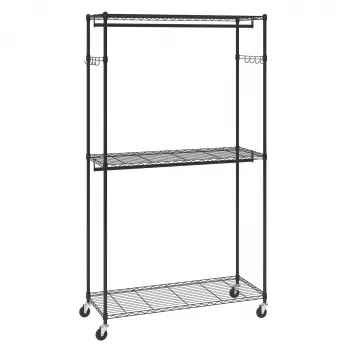
- Adjustable Height Rolling Clothing Garment Rack with 3 Storage Tiers
- Luxe Hacks for Small Closets Checklist | Digital Download Closet Organization Guide, Minimalist Wardrobe Decluttering Tips, Small Space Storage Solutions
- 20Kpa Cordless Stick Vacuum Cleaner for Hard Floor, Carpet & Pet Hair, Rose Red
FAQ
How much weight can a rolling garment rack safely hold?
Follow the manufacturer’s weight limit and distribute garments evenly across the bar. Keep heavier items (like shoes or folded denim) on the lower tiers, avoid concentrating coats on one end, and lock the wheels while loading or unloading if your rack has wheel locks.
Will the rack work for long dresses or coats?
Yes, adjustable height is designed for longer items when raised. Measure your longest piece on a hanger and confirm there’s enough clearance above the shelves so hems don’t brush the tiers or drag on the floor.
How do the storage tiers help with organization?
The tiers let you assign zones: heavier shoes or baskets on the bottom, daily essentials on the middle shelf, and outfit categories on the hanging bar. Using matching bins helps contain small accessories and keeps the overall look clean.







Leave a comment