10-Loop Stretch Band: Mobility, Yoga & Strength Gains
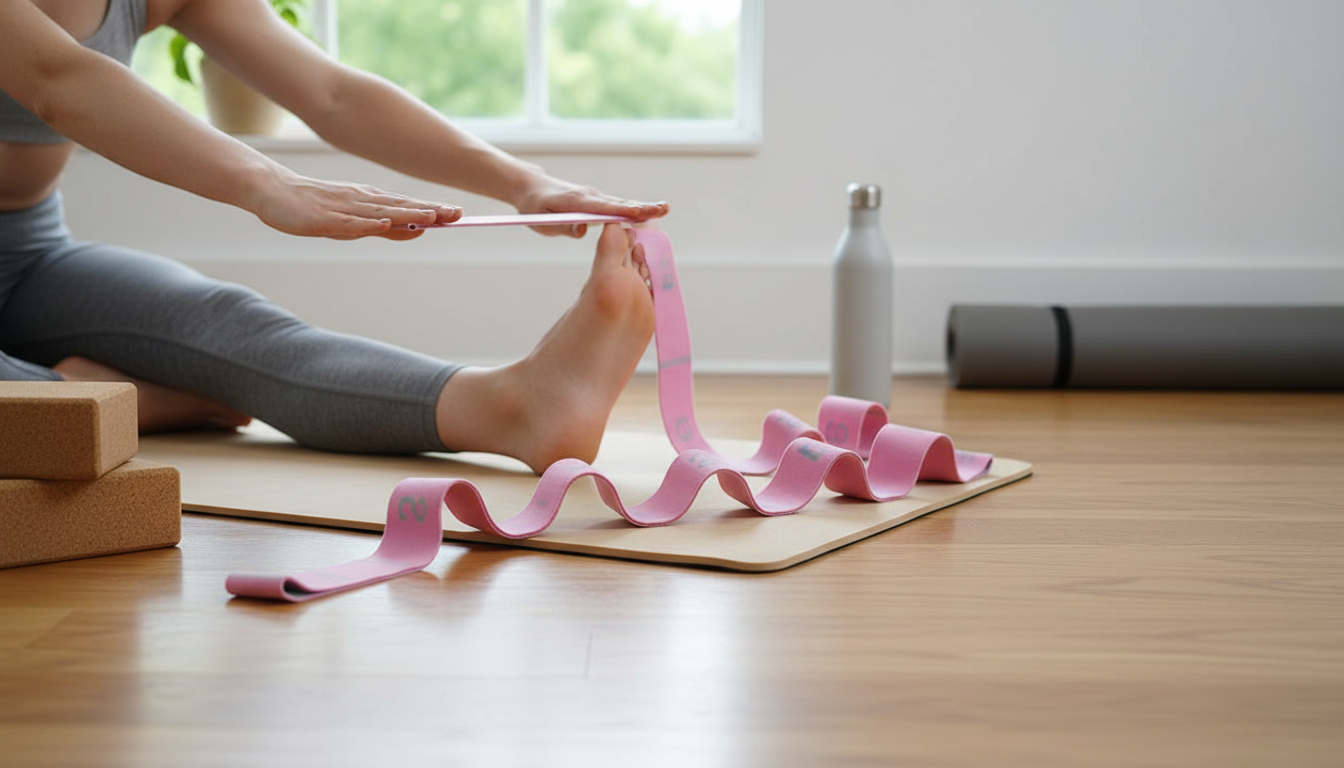
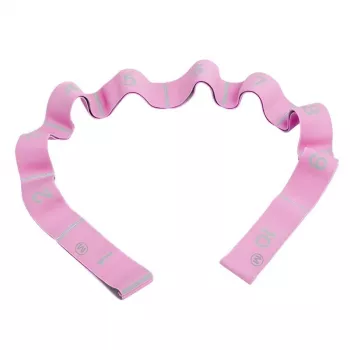
10-Loop Stretch Band for Exercise, Yoga, Pilates, and Strength Training
A 10-loop stretch band is a simple tool that makes everyday movement work feel more dialed in. Instead of one long strap that forces you to re-grip, a multi-loop design gives you built-in “handles” for hands and feet—so you can fine-tune range of motion, keep tension steady, and adjust difficulty fast. It fits smoothly into mobility sessions, yoga flows, Pilates-style conditioning, and light strength training at home, in the gym, or on the go.
What a 10-loop stretch band helps with
- Mobility: guided stretching for hips, hamstrings, shoulders, and calves
- Yoga support: improved alignment and reach for poses that benefit from assistance
- Pilates work: controlled resistance for legs, glutes, and core engagement
- Strength training: accessory work for warm-ups, activation, and light resistance sets
- Home, gym, and travel-friendly: compact and quick to set up
For general flexibility and safe progression, established fitness guidance typically emphasizes moving slowly, holding positions with control, and increasing range gradually over time. Helpful references include the American College of Sports Medicine (ACSM) stretching recommendations and Mayo Clinic guidance on stretching.
Why multiple loops change the feel of training
- Easier adjustments: move hands or feet to a different loop rather than tying knots or constantly re-gripping
- More consistent leverage: loop spacing helps repeat the same setup each session
- Better control: keeps tension predictable during slow eccentrics and isometric holds
- Accessible progression: shorten the working length for more tension, lengthen for less
Loop position ideas and typical intensity changes
| Setup | How to use the loops | Typical effect |
|---|---|---|
| Assisted hamstring stretch | Foot in a loop; hands hold a loop higher up | More reach and control; easier to maintain a straight knee |
| Glute bridge abduction | Band around thighs with loops aligned evenly | Clear tension cues; helps prevent knees collapsing inward |
| Shoulder mobility (dislocates/opens) | Hands in two loops, widen or narrow by switching loops | Wider grip reduces strain; narrower increases challenge |
| Row/pull-apart variation | Hands in two loops; step back to add tension | Adjustable resistance without changing equipment |
| Ankle/hip activation | Loop around foot; hold a higher loop for support | Small, precise range work for warm-up and rehab-style routines |
How to use it for yoga support
- Forward folds: place a loop around the mid-foot and hold a higher loop so the spine can stay long while hamstrings open gradually.
- Reclined leg stretches: the loops reduce gripping fatigue—hands can stay relaxed while tension remains steady.
- Shoulder opener variations: keep elbows soft and move slowly; switch to wider loops if the shoulders feel pinchy.
- Balance aids: use a higher loop for light support during standing poses when stability is the priority.
A useful rule for assisted yoga is “support, not force.” The band should make positions feel more organized and breathable—not cranked to the end range.
How to use it for Pilates-style conditioning
- Leg and glute sequences: controlled presses, pulses, and holds become easier to standardize because loop length stays consistent rep to rep.
- Core integration: try dead bug or hollow-hold variations while holding loops to cue rib position and keep limbs moving in clean paths.
- Upper-body endurance: small-range presses and pulls emphasize control over speed and can be scaled by changing loops.
- Tempo focus: aim for smooth reps (for example, 3 seconds out, 3 seconds back) to build stability and coordination.
If the band’s tension pulls you out of alignment, move to a longer loop (less tension) and regain control first—Pilates-style work rewards precision.
How to use it for strength training and warm-ups
- Activation: glute med work, shoulder external rotations, and scapular control drills before lifting.
- Accessory sets: higher-rep rows, presses, and pull-aparts to complement dumbbells or bodyweight.
- Mobility between sets: short, targeted stretches to restore range without fully “cooling down.”
- Progression: shorten the band (choose closer loops), add pauses, or slow the eccentric to increase difficulty without rushing reps.
For strength-focused sessions, think of a loop band as a “volume and quality” tool: it’s excellent for priming muscles, building endurance, and reinforcing positions that carry over to heavier training.
Fit, comfort, and safety checks
- Loop fit: choose a loop position that feels secure without cutting circulation or slipping during movement.
- Inspect before each session: look for thinning, tears, or frayed stitching (if present).
- Control the return: avoid letting the band snap back; keep tension during transitions.
- Joint-friendly range: stretch to mild-to-moderate tension, not sharp pain or numbness.
- Secure footing: use a stable surface and avoid anchoring to fragile furniture.
Care and storage
Product options (in stock)
- 10-Loop Stretch Band for Exercise, Yoga, Pilates, and Strength Training — a straightforward choice for quick setup changes across stretching, yoga support, Pilates conditioning, and light resistance work.
- Luxe Hacks for Small Closets Checklist (Digital Download) — helpful for organizing a small home workout corner so bands, mats, and accessories don’t disappear into a drawer.
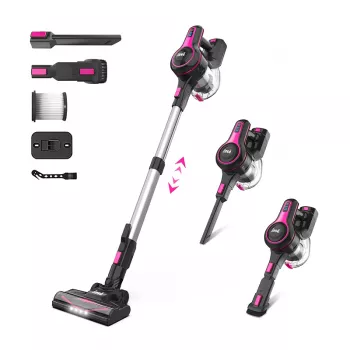
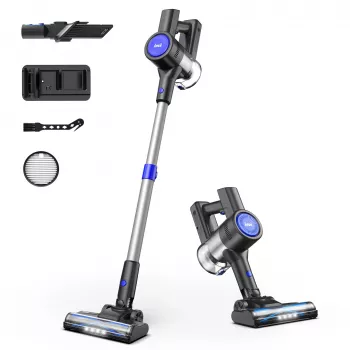
- Cordless Vacuum Cleaner, 235W Brushless Motor, 40Min Runtime — a practical add-on for keeping floors clear of dust and debris, especially if you train barefoot or do mat work.
FAQ
Is a loop stretch band good for beginners?
Yes—multiple loops make it easier to find a comfortable range and reduce strain by adjusting leverage. Start with gentle tension, slower tempo, and shorter sessions.
Can this replace weights for strength training?
It works well for activation, mobility, endurance, and light resistance training, but it may not fully replace heavier loads for maximal strength. It pairs well with bodyweight or dumbbells.
How often should stretching with a band be done?
Many people do light mobility daily and longer flexibility sessions a few times per week. Emphasize consistency and avoid pushing into pain; increase range gradually.







Leave a comment