2-in-1 Cardboard Cat Scratcher & Lounge Bed Guide
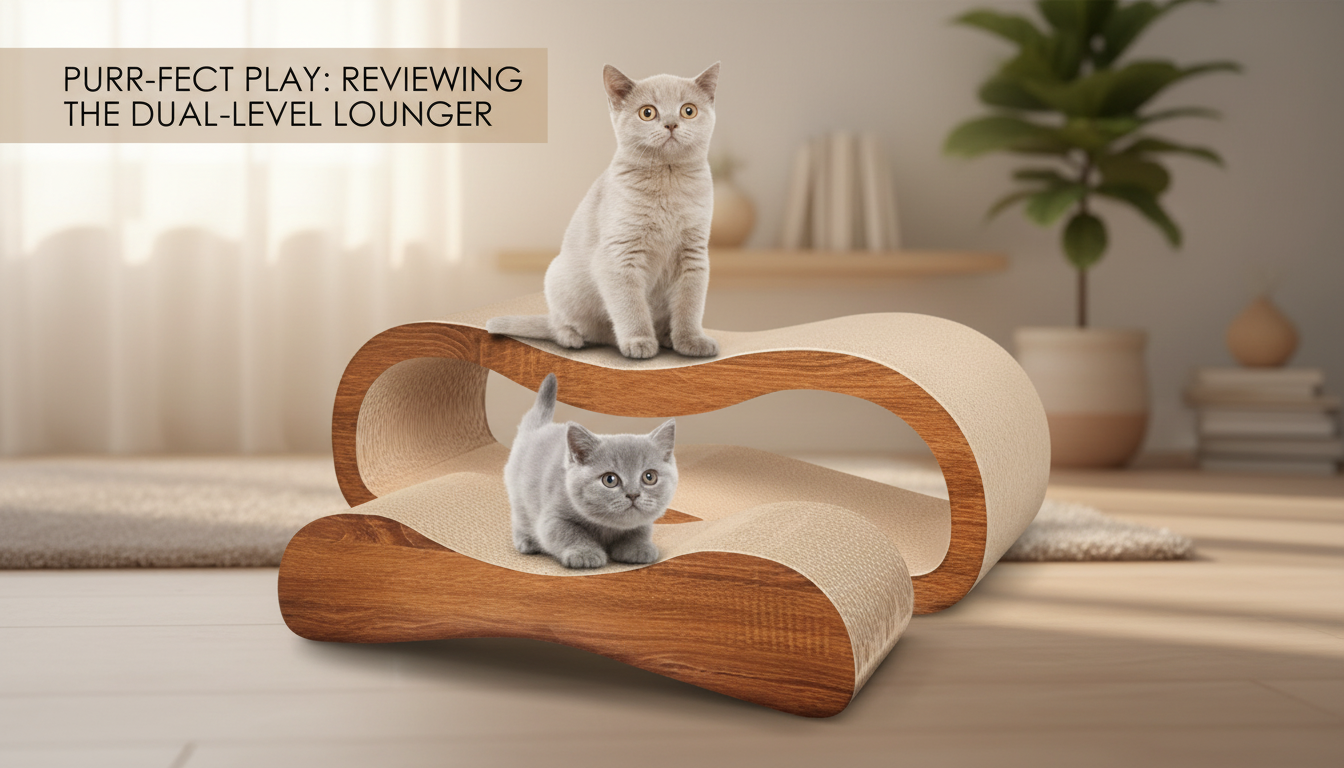
2-in-1 Cardboard Cat Scratcher That Doubles as a Lounge Bed
A scratcher that also works as a nap spot can reduce furniture scratching while giving cats a dedicated place to rest. This 2-in-1 cardboard scratch board is designed for daily claw care, stretching, and lounging in one simple footprint. When a cat has an approved place to dig in and then immediately settle down, the “favorite spot” effect tends to stick—helping the scratcher stay in regular rotation instead of getting ignored in a corner.
What Makes a Good Scratcher-Lounger Combo
The best scratcher-and-bed combos do more than save space. They align with how cats naturally scratch, stretch, and relax throughout the day.
- Satisfying scratch texture: A surface that “grabs” just enough encourages repeat use and helps redirect claws away from rugs and sofa corners.
- Room for full-body stretching: Scratching is often paired with a long reach through the shoulders and hips—valuable for everyday mobility.
- Comfortable enough to nap on: If the scratcher also feels like a lounge, many cats camp out on it, making it a consistent, cat-approved zone.
- Stable, low-profile feel: A secure base helps cats commit to scratching without the wobble some posts create—especially for kittens and seniors.
- Easy placement: A simple shape fits beside common “problem areas” and near windows or cat trees without rearranging the room.
Product Overview: 2-in-1 Cat Scratcher and Lounge Bed
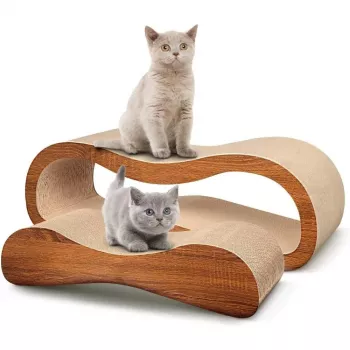
If your cat tends to scratch horizontally and then flop down nearby, a combo scratcher-bed can match that routine. The 2 in 1 Cat Scratcher and Lounge Bed – Durable Cardboard Cat Scratch Board is built to function as both a scratch surface and a lounging bed, giving cats one consistent place to care for claws, stretch, and rest. Cardboard construction offers the familiar feel many cats prefer, and it can serve as a dedicated alternative to door frames, carpet edges, and couch corners.
Quick Product Details
| Feature | Details |
|---|---|
| Type | Scratcher + lounge bed |
| Material | Durable cardboard scratch board |
| Best for | Daily scratching, stretching, resting |
| Use location | Living room, bedroom, near cat tree or window |
| Availability | In stock |
Why Cardboard Scratch Boards Are Popular
Another advantage is the horizontal presentation. Many cats strongly prefer to scratch on flat surfaces rather than vertical posts. If you’ve tried a sisal tower that’s been ignored while the carpet gets shredded, a low-profile scratch board can be the “finally” solution. For more background on why cats scratch and how to support the behavior appropriately, see International Cat Care’s guidance on understanding scratching behaviour.
Where to Place It for the Best Results
- Near sleeping areas: Many cats scratch right after waking up. Putting the scratcher within a few steps of a favorite nap spot can capture that routine.
- Along common routes: Hallways, room entrances, and the path to the food bowl are high-traffic zones where scratching often happens naturally.
- Beside “problem” furniture: Place the scratcher closer than the tempting target. If the cat reaches the sofa first, the sofa wins.
- By windows: A scratch-then-sunbathe rhythm is common, especially for cats who watch birds and passersby.
- In multi-cat homes: Add more than one scratch zone to reduce competition and “resource guarding.” The ASPCA’s cat care and behavior resources can help with home setups and routine-building: ASPCA – Cat care.
Getting a Cat to Use a New Scratcher
Care, Cleanup, and Longevity Tips
- Shake or vacuum around it: Small cardboard bits are normal. Cleaning the surrounding floor prevents tracking.
- Rotate to even wear (if possible): If your cat focuses on one end, turning the board can extend its usable life.
- Keep it dry: Cardboard softens quickly with spills or damp paws, which can shorten longevity.
- Trim claws regularly: Routine nail trims can reduce snagging and slow aggressive shredding while still allowing healthy scratching. For general cat care guidance, visit the American Veterinary Medical Association (AVMA) cat care resources.
- Replace when it’s no longer stable or appealing: Deep grooves, collapsing areas, or a board that slides too easily are common signs it’s time.
Who It’s For (and When to Add Another Scratching Station)
Pair It With Easier Cleanup for a Cat-Friendly Home
For convenient spot-cleaning near scratchers and cat hangouts, consider a lightweight cordless vacuum such as the 20Kpa Cordless Stick Vacuum Cleaner for Hard Floor, Carpet & Pet Hair, Rose Red or the Cordless Vacuum Cleaner, 235W Brushless Motor, 40Min Runtime, 6-in-1 Lightweight for Household Cleaning. Keeping the area around the scratcher clean also helps your cat return to it—some cats avoid scratchers if the surface and surrounding floor feel messy or dusty.
FAQ
How long does a cardboard scratcher typically last?
It depends on your cat’s weight, claw sharpness, and how often it’s used, but many last from a few weeks to a few months. Replace it when the surface becomes very uneven, starts collapsing, or your cat loses interest because it no longer feels satisfying to scratch.
Is cardboard scratching safe for cats?
Cardboard scratching is generally safe when the board is used as intended and kept clean and dry. Supervise cats that try to eat cardboard, and replace the scratcher if it becomes overly damaged, soggy, or unstable.
How can furniture scratching be reduced quickly?
Place the scratcher directly beside the targeted furniture so it’s the easiest option, then add catnip or another attractant if your cat likes it. Reward scratching on the approved surface, use temporary deterrents on the furniture during training, and provide multiple scratch zones to prevent “competition” for the best spot.










Leave a comment