Low-Waste Kitchen Reset: Cut Single-Use Plastic Fast
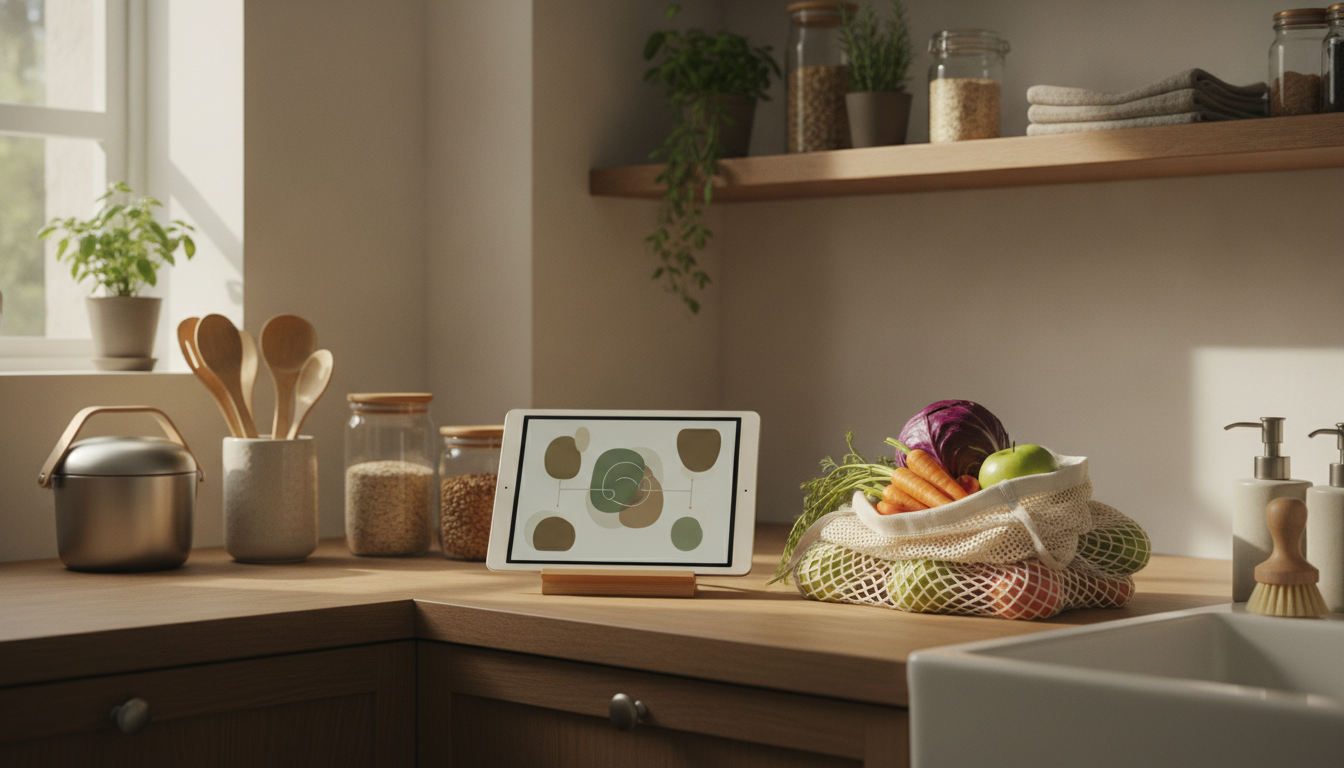
Reducing single-use plastic in the kitchen is easiest when the changes are small, targeted, and repeatable. A “low-waste reset” doesn’t have to mean replacing everything you own—it’s more about switching your defaults so the reusables are the easy option on a busy Tuesday night. For more guidance, see [PDF] Live Green 52 Steps For A More Sustainable Life … – mcsprogram.org.
Below is a quick audit method, the highest-impact swaps, and simple routines that cut packaging and waste without turning everyday cooking into a project. For broader context on why single-use plastics are a focus, see resources from the United Nations Environment Programme and the U.S. Environmental Protection Agency. For further reading, see [PDF] HOUSEKEEPING QUESTIONS AND ANSWERS HOUSEKEEPING ….
Start with a 10-minute plastic audit
The fastest way to reduce plastic is to stop guessing. A short audit shows what’s actually happening in your kitchen—so you can change the few things that matter most.
- Collect one day’s worth of kitchen trash and recycling and separate by category: food packaging, takeout items, cleaning supplies, and miscellaneous.
- Circle the “repeat offenders” bought weekly (snack wrappers, cling film, bottled drinks, disposable wipes, trash bags).
- Identify what caused the plastic: convenience, storage, safety concerns, habit, or lack of alternatives.
- Choose two categories to change first; focusing prevents overwhelm and delivers faster results.
Quick audit: common single-use plastics and better defaults
| Plastic item | Why it shows up | Low-waste replacement | Simple next step |
|---|---|---|---|
| Cling film & sandwich bags | Leftovers, lunches | Glass containers, beeswax wraps, silicone lids | Pick 3 container sizes and label them for leftovers |
| Bottled water/seltzer | Grab-and-go habit | Filter pitcher, reusable bottle, home carbonation | Keep a filled bottle by the fridge door |
| Produce bags | Checkout default | Reusable mesh bags, skip-bag for sturdy produce | Store 2 bags in each shopping tote |
| Snack wrappers | Portioning convenience | Bulk snacks, DIY snack box, reusable pouches | Make a weekly “snack prep” jar routine |
| Takeout cutlery/condiment packets | Automatic add-ons | Keep a travel cutlery set; request “no extras” | Add a note in delivery apps: no utensils/napkins |
| Dish sponges in plastic packs | Frequent replacement | Cellulose sponges, brush with replaceable head | Set a monthly reminder to sanitize/replace |
High-impact swaps that keep cooking easy
The biggest wins come from changing how food flows through your kitchen: how it’s stored, portioned, and cleaned up. When those systems work, the plastic reductions follow almost automatically.
- Storage first: shifting leftovers and pantry staples into durable containers reduces reliance on single-use wrap, bags, and impulse packaging.
- Buy fewer “micro-packaged” items: switch from individually wrapped servings to one larger package plus simple portioning at home.
- Replace disposables with systems: a drawer for reusable towels, a jar for bulk staples, a basket for reusables near the entryway.
- Prioritize safety and hygiene: choose food-safe materials and routines (cleaning brushes, drying racks) that work with daily life.
If you want a step-by-step routine you can print or keep on your phone, consider Less Plastic More Living in Your Kitchen – digital eBook and checklist for a structured reset you can repeat whenever life gets busy.
Grocery shopping without the plastic spiral
Shopping is where most packaging enters the home, so small strategy tweaks pay off all week.
- Plan around packaging: choose meals that rely on fewer heavily packaged ingredients for the week’s “baseline” dinners.
- Shop the perimeter strategically: fresh produce, bakery, deli, and bulk sections often allow lower-packaging options (depending on store rules).
- Use a short “refill list”: rice, oats, beans, nuts, coffee/tea, dish soap, and hand soap are common refill candidates in many areas.
- Bring a small kit: 2 reusable produce bags, 1 container, 1 tote, and 1 “backup” bag for unexpected needs.
- Avoid perfection traps: if one item must come in plastic, balance it with a bigger win elsewhere (like switching household cleaners).
One practical rule: if you’re buying packaged convenience for time, pick the least frequent convenience—buy a larger size once, then portion at home. It’s often cheaper and cuts wrapper-by-wrapper waste.
Low-waste food storage and leftovers that actually get eaten
Cleaning and dishwashing with fewer plastic bottles
For quick, low-fuss kitchen cleanup that supports a “clean as you go” routine, a lightweight vacuum can help keep crumbs and tracked-in debris from turning into paper-towel marathons. Two in-stock options are 20Kpa Cordless Stick Vacuum Cleaner for Hard Floor, Carpet & Pet Hair, Rose Red and Cordless Vacuum Cleaner, 235W Brushless Motor, 40Min Runtime, 6-in-1 Lightweight for Household Cleaning.
A 7-day reset plan (small steps, real momentum)
A ready-to-use guide and checklist for a low-waste kitchen
If you want a ready-made routine you can revisit seasonally (or anytime your habits drift), Less Plastic More Living in Your Kitchen – A Practical Guide on how to reduce single use plastic in kitchen includes a low-waste checklist designed for everyday kitchens.
FAQ
What are the easiest single-use plastics to cut first in the kitchen?
Start with items used daily or weekly: cling film and bags (swap to containers or wraps), bottled drinks (use a filter and reusable bottle), disposable wipes (switch to washable cloths), and takeout extras (request none and keep a small “to-go” kit).
Does a low-waste kitchen cost more?
Some swaps cost more upfront, but many save money over time by reducing packaged convenience items and preventing food waste. Focus first on replacing items you repurchase often, then build your reusables gradually.
How can plastic be reduced if bulk stores or refills aren’t available?
Choose larger sizes over mini packs, prioritize packaging-light ingredients, cook from basic staples, reuse containers for storage, and cut down on takeout add-ons. Even without bulk bins, consistent small changes add up.











Leave a comment