How to Style & Fit Alviero Martini Lace-Up Shoes
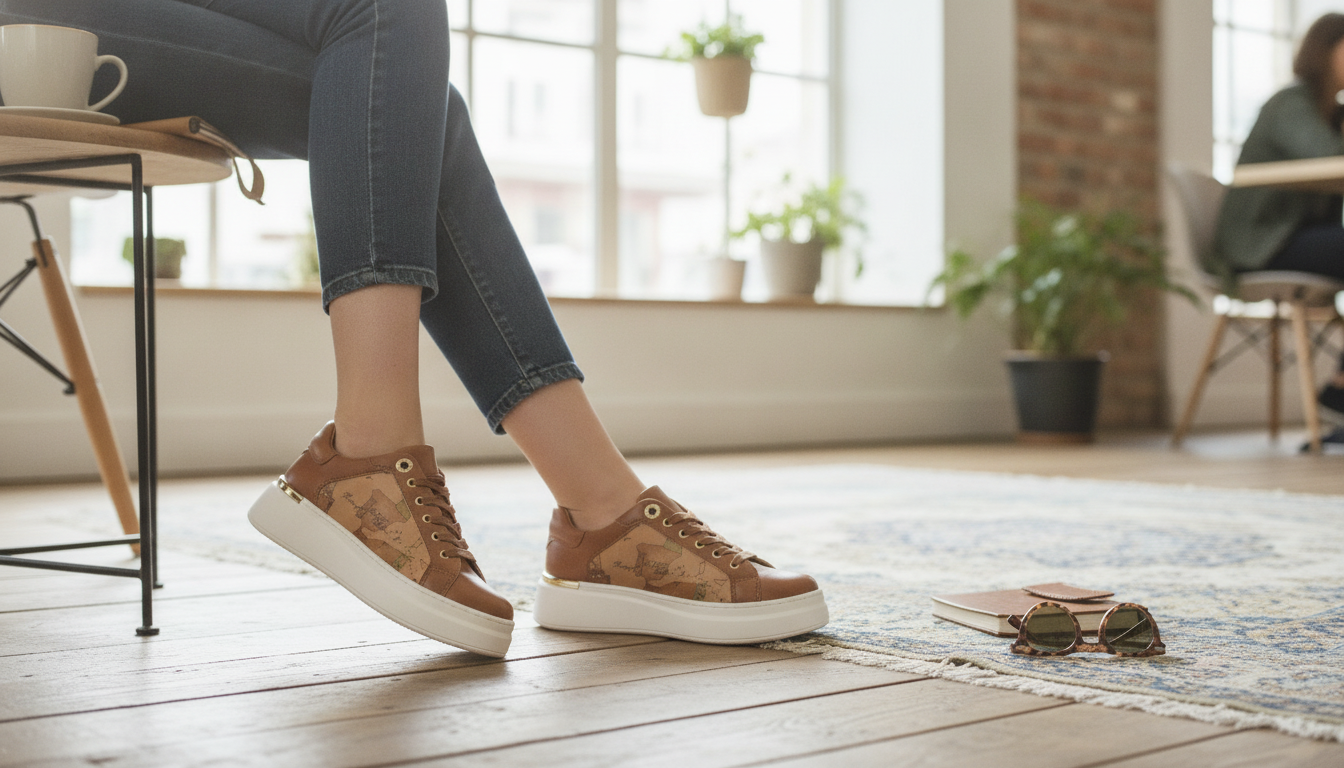
Alviero Martini Prima Classe Women’s Lace-Up Shoes: Styling, Fit, and Care
A lace-up silhouette is one of the easiest ways to get a secure fit and a polished look that can shift from workday errands to weekend walks. This guide covers what to check before buying, how to style lace-up shoes across outfits, and how to keep them looking sharp over time—so each pair earns its spot in your rotation.
Quick product snapshot
Women’s lace-up shoes are a practical go-to when you want adjustability without sacrificing structure. The laces let you fine-tune midfoot support, which can be especially helpful if one foot runs slightly larger or if you switch between thinner and thicker socks across seasons.
- Style type: women’s lace-up shoes
- Best for: everyday outfits that need a secure, adjustable fit
- What to verify on arrival: size/width comfort, heel hold, toe room, and lace tension
- If between sizes: test with the socks normally worn; lace-up adjustment can fine-tune fit
| Item | Details |
|---|---|
| Product name | Alviero Martini Prima Classe Women’s Lace-Up Shoes |
| Price | 129.99 USD |
| Availability | In stock |
| Stock (listed) | 500 |
| Product page | View details |
What to look for in women’s lace-up shoes
Even within the same size, lace-up shoes can feel very different depending on how the upper is shaped, where the eyelets sit, and how stiff the sole is. A quick evaluation up front helps prevent the “looks great, never worn” outcome.
- Fit adjustability: laces should allow snug midfoot support without pinching across the top of the foot. You want security, not a squeezed instep.
- Heel security: the heel shouldn’t lift noticeably while walking. A tiny amount of movement can be normal at first, but it should settle once laced correctly.
- Toe box comfort: leave a small gap at the front so toes can splay naturally. Cramped toes tend to create rubbing, hot spots, and early fatigue.
- Outsole grip: check tread pattern and material; smoother soles can feel slick on wet sidewalks or polished indoor floors.
- Weight and flexibility: flex the shoe gently at the ball of the foot. Overly stiff shoes often require a longer break-in and can feel “slappy” until they soften.
For general footwear comfort and fit principles, the American Podiatric Medical Association (APMA) and FootCareMD by the American Orthopaedic Foot & Ankle Society offer helpful, plain-language guidance.
Fit checklist at home (5-minute try-on)
A short, intentional try-on catches most issues early. The goal is to confirm you can lace for comfort and stability without pressure points that show up after a few minutes of walking.
- Time it right: try on later in the day when feet are slightly larger; use the socks you normally wear.
- Lace evenly: lace from the bottom up, keeping tension even; avoid overtightening the top eyelets, which can crank the heel forward and create rubbing.
- Walk test: walk on hard flooring for a few minutes and confirm no heel slip, no pressure points, and stable footing.
- Instep check: numbness or tingling suggests the laces are too tight or the fit is too low over the instep.
- Re-lace if needed: a “window lacing” technique can relieve pressure over a sensitive spot while keeping overall security.
Outfit ideas that work year-round
Lace-up shoes tend to read as intentional—more polished than a slip-on, less formal than a heeled dress shoe. That balance makes them easy to wear across seasons and settings.
- Tailored casual: straight-leg jeans + crisp shirt + belt. Lace-ups add structure without feeling overly formal.
- Office-ready: ankle-length trousers + lightweight knit. Keep colors coordinated for a clean line (especially if you’re walking between meetings).
- Weekend uniform: midi skirt or shirt dress + denim jacket. Lace-ups ground softer silhouettes and help the outfit feel finished.
- Travel days: relaxed pants + layered top. Adjustable lacing is a quiet advantage when feet swell a bit during long days.
- Color coordination tip: match shoes to either (a) the darkest item in the outfit or (b) the bag for a pulled-together look.
If you’re streamlining wardrobe space so shoes are easier to grab and store, the Luxe Hacks for Small Closets Checklist can help you set up a simple system for daily pairs versus occasional pairs.
Comfort and break-in without blisters
Breaking in lace-up shoes is less about “toughing it out” and more about gradually teaching the materials where your foot flexes. A few small habits can make a noticeable difference.
Care and storage for longer wear
If your shoes are leather or have leather components, avoid harsh heat and overly aggressive cleaners. For a material-focused overview of responsible leather care, refer to guidance from The Leather Working Group.
FAQ
How should lace-up shoes fit at the heel and toes?
A good fit feels secure through the midfoot with minimal heel slip while walking, plus a small amount of extra space at the toes so they can move naturally. Lacing can fine-tune security, but it shouldn’t create pressure points or numbness.
What if lace-up shoes feel tight across the top of the foot?
Loosen the midfoot eyelets, consider “window lacing” to reduce pressure over the instep, and double-check sock thickness. If tingling or numbness continues after relacing, sizing or volume may be off and an exchange is usually the best fix.
How can lace-up shoes be kept looking new longer?
Wipe them down after wear, let them fully air-dry, and store them with shape support (shoe trees or tissue) away from direct heat. Cleaning or replacing worn laces also makes a big visual difference for very little effort.







Leave a comment