Timeless Decor Plan: Evolve Your Style Without Redoing
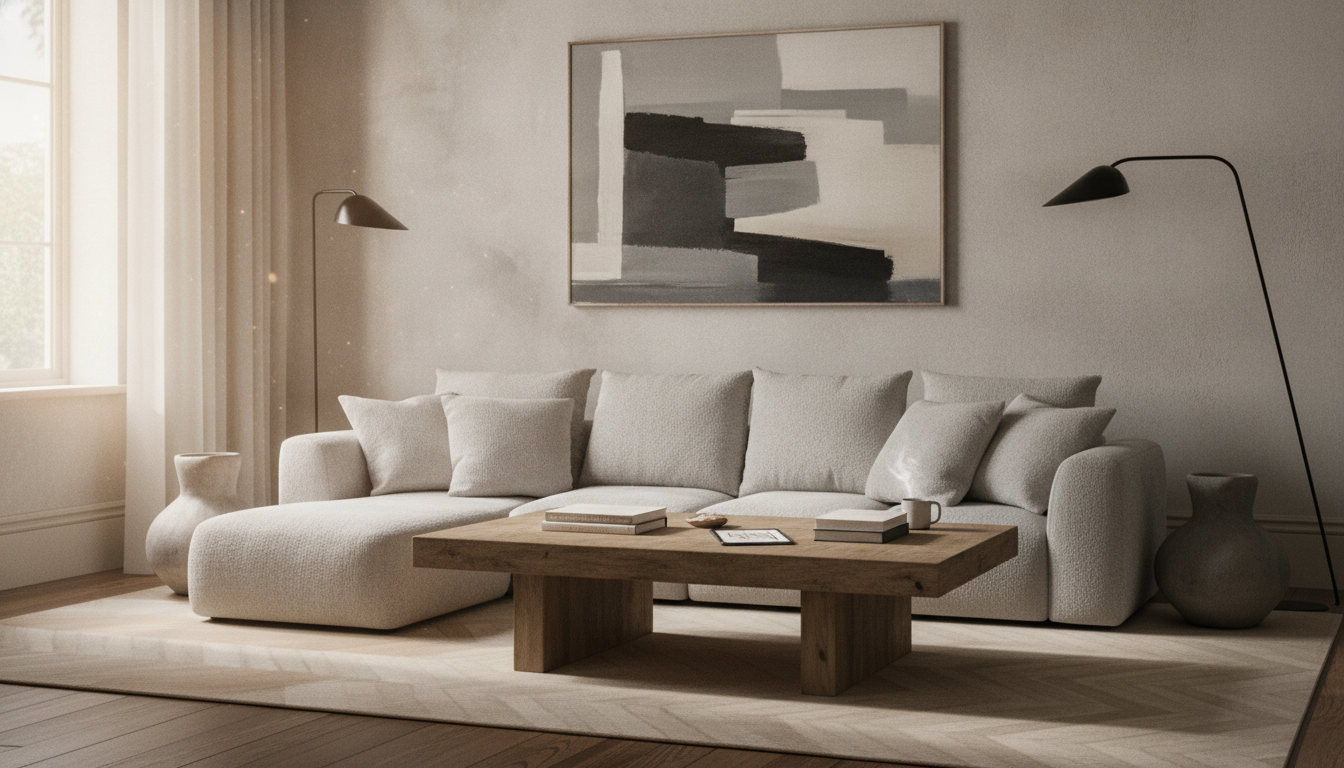
A Timeless Decorating Plan That Adapts as Your Taste Changes
Long-lasting decor isn’t about freezing a home in one look—it’s about building a flexible foundation and choosing upgrades that can evolve without restarting from scratch. A simple, repeatable plan helps: define the feeling you want, invest in high-impact basics, then use an easy system for editing, layering, and swapping accents as your style shifts over time.
Start With a “Future-Friendly” Style Snapshot
Before buying anything new, capture what you want your home to feel like—today and two years from now. This snapshot becomes your filter for every decision.
- Choose 3 words that describe the home you want to live in (calm, collected, warm; or bright, airy, tailored).
- List the non-negotiables that must stay consistent for years: comfort level, kid/pet friendliness, low-maintenance surfaces, accessible storage.
- Collect 10–15 reference images and note what repeats (materials, shapes, contrast level, color temperature).
- Identify your “swap zones.” If you change colors, art, textiles, or seasonal decor often, treat those as low-commitment layers by design.
Build the Foundation: Pieces That Should Outlast Trends
Timeless rooms aren’t made by avoiding personality—they’re made by putting personality in the parts that are easy to replace, and durability in the parts that aren’t.
- Prioritize quality and neutral flexibility for large, expensive items: sofa, bed, dining table, rugs, and window treatments.
- Stick to classic shapes and comfortable proportions. Let finishes and accessories carry the “moment.”
- Choose durable, repairable materials when possible: solid wood, performance fabrics, washable slipcovers, and wool rugs.
- Repeat finishes across rooms with 1–2 metals and 1–2 woods/finishes to create continuity.
If accessibility and long-term livability are part of your plan, the Seven Principles of Universal Design are a helpful reference point when evaluating layout, clearance, and ease of use.
Create a Color System That Can Shift Over Time
A color system should support your home’s fixed elements (flooring, countertops, tile, and large upholstery), not fight them. When the base is stable, updating feels like “refreshing,” not redecorating.
- Pick a base palette that works with what won’t change soon (or ever).
- Use a 60/30/10 approach: dominant neutrals, supporting mid-tones, and small accents for play.
- Keep bold color low-commitment in pillows, throws, art prints, small lampshades, and vases.
- Update one major lever at a time: wall color, rug, or a major textile—so the room stays grounded.
What to Invest In vs. What to Swap as Your Style Evolves
| Category | Best as Long-Term Foundation | Best as Changeable Accent | Why it Works |
|---|---|---|---|
| Seating | Sofa in a versatile solid or subtle texture | Pillows, throws, slipcover, side chair | Comfort and scale matter long-term; textiles refresh quickly |
| Color | Warm/soft neutrals on major surfaces | Seasonal or trend colors in small decor | Protects resale appeal and reduces repaint cycles |
| Lighting | Quality overhead and task lighting | Shades, bulbs, decorative lamps | Good lighting improves everything; details are easy to update |
| Art | A few meaningful anchor pieces | Gallery wall additions, frames, prints | Personal anchors last; rotation keeps it fresh |
| Storage | Closed storage with clean lines | Baskets, labels, styling objects | Structure stays useful even when style changes |
Plan Room by Room With a Repeatable Checklist
When you use the same planning steps in every space, your home feels intentional even as you evolve your style.
For maintenance that supports a “finished” look (especially with rugs and pet hair), a reliable everyday tool can help. Options like the 20Kpa Cordless Stick Vacuum Cleaner for Hard Floor, Carpet & Pet Hair make quick resets easier—so your home looks pulled together between deeper cleanings.
Use the Timeless Interior Design Planner to Stay Consistent
For a ready-to-use system, try the Printable Home Design Checklist and Timeless Interior Design Planner (Digital Download).
Small Upgrades That Make a Home Feel “Finished” (Without Locking You In)
- Unify hardware and switches in a consistent finish for instant cohesion.
- Layer lighting with one overhead, one task, and one ambient source per main room; for efficiency tips, see the U.S. Department of Energy’s lighting guidance.
- Hang curtains high and wide to improve proportions—even with simple panels.
- Choose rug sizes that fit furniture, not the empty floor.
- Keep surfaces calm by using trays, bowls, and baskets to contain daily items.
Storage is the quiet hero of timeless decorating. If closets are part of the friction in your day-to-day, the Luxe Hacks for Small Closets Checklist (Digital Download) can help simplify what you keep and how you store it—making every room easier to maintain.
Avoid Common Mistakes That Cause Fast Redecorating
When you do rotate items, aim to reuse and repurpose what you already own before replacing it. The EPA’s Reduce, Reuse, Recycle guidance is a practical reminder that the most sustainable update is often rearranging, re-framing, or reusing what’s already in your home.
FAQ
What makes decor “timeless” without feeling boring?
Timeless decor relies on balanced proportions, quality materials, and a cohesive foundation (repeat finishes, stable neutrals). Personality comes from art, textiles, and curated objects that are easy to edit as your preferences change.
How often should decor be refreshed if the goal is long-lasting style?
Aim for seasonal micro-refreshes (swap textiles, rotate art, edit surfaces), an annual declutter/rotation, and occasional larger changes only when needed (paint or a new rug). A checklist helps keep updates focused so the room still feels consistent.
How can a room stay cohesive when mixing old and new pieces?
Use a repeatable system: keep a consistent palette, repeat a few finishes, match overall scale, and rely on one unifying element such as a rug, a gallery wall, or a coordinated lighting family.










Leave a comment