Stainless-Blade Commercial Vegetable Slicer for Prep
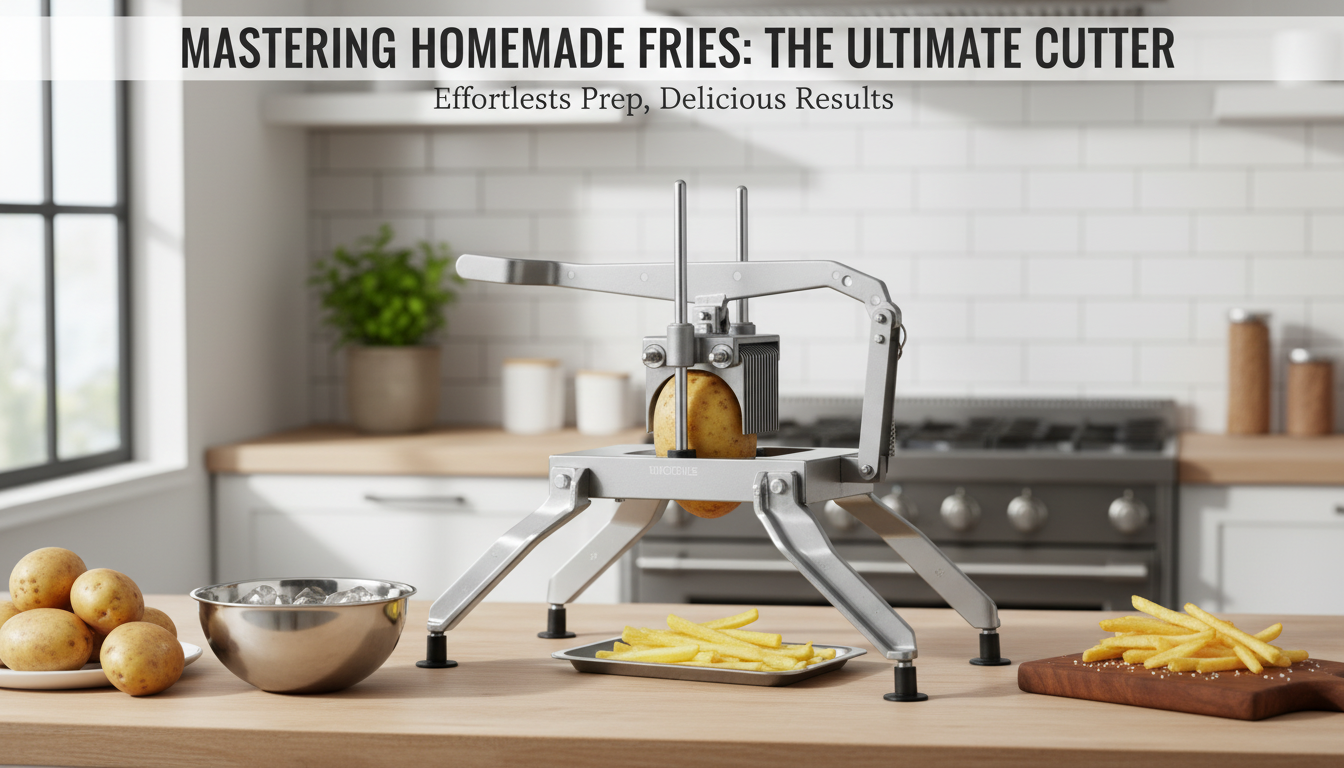
Commercial Vegetable Slicer with Stainless Steel Blades: Faster Prep, Consistent Cuts
A commercial vegetable slicer helps kitchens move from slow, uneven knife work to fast, repeatable results. Stainless steel blades and a stable cutting platform support high-volume prep for salads, stir-fries, garnishes, trays, and food prep stations where consistency and speed matter. When slice thickness stays predictable, portions look cleaner, cook times stay tighter, and prep teams spend less time “fixing” uneven cuts.
What a Commercial Vegetable Slicer Is Best For
In professional settings, the biggest value of a commercial slicer is standardization. Instead of relying on individual knife skill (and fatigue), the slicer creates a consistent output that’s easier to manage during service.
- High-volume prep in restaurants, cafeterias, catering, food trucks, and meal-prep operations
- Uniform slices for consistent cooking times and cleaner presentation
- Reducing prep bottlenecks during rush periods by standardizing cut size
- Handling common produce: cucumbers, onions, potatoes, carrots, zucchini, cabbage, peppers (depending on blade style and thickness settings)
- Supporting batch tasks: salad bars, chips, gratins, stir-fry prep, sandwich toppings
If your menu leans on sliced produce—onion rings for burgers, cucumber rounds for deli stations, potato slices for gratins—the time savings stack up quickly, especially when multiple hands share the same prep station.
Why Stainless Steel Blades Matter in a Busy Kitchen
Blade material affects both performance and upkeep. Stainless steel is a practical choice for daily commercial use because it balances sharpness, durability, and easier cleaning in wet environments.
- Edge retention: stainless blades maintain sharpness longer for repeatable cuts with less crushing
- Corrosion resistance: better tolerance for acidic foods and frequent washing
- Food safety and cleanliness: smooth blade surfaces are easier to rinse and sanitize
- Cleaner slicing: reduces bruising and water loss, improving texture for salads and cold prep
- Predictable performance: more consistent results across a shift, especially on firm vegetables like potatoes and carrots
A cleaner cut isn’t just visual. It can help produce hold texture longer in pans, hotel trays, or cold wells because it reduces tearing that accelerates moisture loss.
Key Features to Look For Before Buying
Not every kitchen needs the same slicer setup. A sandwich shop that goes through cucumbers and onions may prioritize speed and thin slicing, while a catering prep room may focus on durability and fast cleanup.
- Blade options and thickness control: fixed thickness vs adjustable settings; match to chips, julienne, or thin salad slices
- Feed chute and pusher design: safer operation and smoother throughput for irregular shapes
- Stability: non-slip feet or a solid base to prevent shifting on wet prep tables
- Capacity and speed: suitable for your daily volume and peak-hour prep requirements
- Cleaning and sanitation: quick disassembly, minimal crevices, dishwasher-safe parts where appropriate
- Durability: sturdy materials, tight tolerances, and reliable fasteners for frequent use
- Safety: blade guards, hand protection, and secure locking mechanisms during slicing
For sanitation expectations and safe handling routines, align your SOPs with authoritative guidance such as the USDA FSIS cleaning and sanitizing recommendations and the latest FDA Food Code.
Quick Fit Guide: Match the Slicer to the Job
The simplest way to choose settings (and the right blade style) is to start with how the item will be served. Thin slices read “fresh” on cold stations, while medium slices hold up better in roasting and sauté applications.
- Thin slicing: ideal for cucumbers, onions, radish, and garnishes; improves consistency on sandwich and salad stations
- Medium slicing: useful for sauté and roast prep where uniform thickness helps timing
- Batch prep workflows: set up a wash → trim → slice → hold sequence to reduce cross-traffic at the cutting board
- Menu planning: choose slice sizes that match cook methods (thin for quick pickles, thicker for roasting)
Common Vegetables and Practical Slice Uses
| Vegetable | Typical Use | Slice Notes |
|---|---|---|
| Cucumber | Salads, sandwiches, quick pickles | Thin, even slices improve presentation and reduce watery piles |
| Onion | Burger toppings, sauté prep, salads | Uniform thickness cooks evenly and reduces scorching |
| Potato | Gratin, chips, roasting | Consistent slices help avoid undercooked centers |
| Carrot | Salads, stir-fry prep, garnish | Clean cuts reduce cracking on dense vegetables |
| Zucchini | Roasting, sauté, vegetable trays | Even rounds cook at the same pace |
Using a Commercial Slicer Efficiently and Safely
Consistency depends as much on process as on equipment. A stable station and repeatable technique reduce waste and help the slicer perform smoothly during peak prep windows.
Cleaning, Maintenance, and Blade Care
Keeping the prep area clean matters too. For quick, between-task cleanup around prep tables and floors, a lightweight cordless unit can help reduce debris and slips; see the Cordless Vacuum Cleaner, 235W Brushless Motor, 40Min Runtime.
Commercial Vegetable Slicer with Stainless Steel Blades: What Stands Out
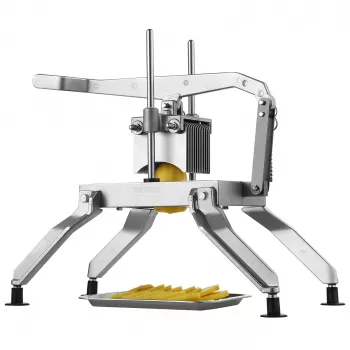
If the goal is faster prep without sacrificing presentation, a slicer built for repeatable thickness is a straightforward upgrade for daily operations. The Commercial Vegetable Slicer with Stainless Steel Blades is designed to support fast prep and consistent results across common vegetables—well-suited for prep stations where uniform output keeps the line moving.
FAQ
Are stainless steel blades better for vegetable slicing in a commercial kitchen?
Stainless steel blades are typically a better fit for commercial prep because they resist corrosion, tolerate frequent washing, and hold a working edge for consistent cuts. Overall results still depend on blade design, correct use, and routine inspection/maintenance.
How often should the slicer be cleaned during service?
Clean it after each prep task, between allergen ingredients, and whenever switching from raw items to ready-to-eat foods. Follow a wash → rinse → sanitize → air-dry routine that matches your local health code requirements.
What vegetables are hardest on slicer blades?
Dense and fibrous items like potatoes, carrots, beets, and cabbage cores tend to wear blades faster and can cause tearing if the edge is nicked. Pre-trimming tough ends and inspecting the blade regularly helps maintain clean slicing.











Leave a comment