Budget Groceries Made Easy: Shop Smart, Plan Simple
Budget-Friendly Groceries Made Easy: Smart Shopping, Simple Meal Planning, and Real Savings
Stretching a grocery budget gets easier with a repeatable system: set a realistic number, shop with a plan, build meals from flexible staples, and reduce waste at home. The payoff is fewer last-minute trips, more mix-and-match meals, and steady savings without giving up nutrition or variety.
Start With a Budget That Matches Real Life
A budget only works if it reflects how your household actually eats. Start by picking a weekly grocery number based on household size, dietary needs, and how many meals happen at home (including lunches and snacks). If workdays are hectic, plan for more convenience foods within the budget rather than hoping you’ll cook every night.
- Separate groceries from household supplies. Paper towels, detergent, and toiletries can quietly blow up a “food” total. Track them as a different line item so your grocery budget stays predictable.
- Use a simple split. Mentally divide the cart into staples (rice, beans, pasta), proteins (eggs, chicken, tofu), produce, and extras (snacks, beverages). If one category is creeping up, it’s easier to correct mid-shop.
- Keep one low-effort backup meal. A pantry/freezer meal—like frozen veggies + eggs, or pasta + jar sauce + canned beans—can prevent expensive takeout when plans change.
Build a Low-Cost Pantry That Works Across Many Meals
Budget meals get dramatically easier when your pantry is stocked with ingredients that can pivot across cuisines. The goal isn’t buying everything at once—it’s choosing a small set of staples you’ll reuse weekly.
- Base carbs: rice, oats, pasta, tortillas, potatoes—pick what your household truly likes so it actually gets eaten.
- Budget proteins: eggs, canned fish, beans/lentils, peanut butter, tofu. Meat in large packs can be a good deal only if it’s portioned and frozen promptly.
- Flavor multipliers: onions/garlic, bouillon, canned tomatoes, spices, soy sauce, vinegar, mustard. Small additions keep “cheap food” from tasting repetitive.
- Produce with a plan: balance quick-use items (berries, greens) with long-keepers (carrots, cabbage, apples) and frozen vegetables for low spoilage.
Staples That Stretch the Cart Further
| Category | Budget picks | Why it saves | Easy meal uses |
|---|---|---|---|
| Base carbs | Rice, oats, pasta, potatoes | Low cost per serving, long shelf life | Stir-fries, bowls, soups, breakfast oats |
| Proteins | Eggs, beans/lentils, canned tuna/salmon | Flexible and filling | Tacos, salads, pasta, chili, fried rice |
| Vegetables | Frozen mixed veg, carrots, cabbage | Less spoilage than fragile produce | Sheet-pan meals, soups, fried rice |
| Sauces & flavor | Canned tomatoes, bouillon, soy sauce, spices | Turns basics into varied meals | Marinara, curries, stews, stir-fry sauces |
Shop Smarter: Price Checks, Timing, and Store Strategy
Real savings often come from the small decisions that happen during a normal shopping trip.
- Compare unit prices. The shelf tag “per ounce” or “per pound” is the quickest reality check. Bigger packages are only a deal if you’ll use them before they go bad.
- Shop from a list organized by store section. Grouping items (produce, dairy, pantry, freezer) reduces backtracking and helps avoid impulse grabs.
- Lean on store brands. For staples like oats, canned tomatoes, frozen vegetables, and pasta, store brands are usually a straightforward win. Save name brands for a few favorites where taste matters most.
- Time purchases. Buy seasonal produce when it’s abundant, use weekly flyers for true discounts, and stock up on shelf-stable items only when the price is genuinely low.
- Avoid the classic traps. End-cap displays, single-serve convenience packs, and shopping while hungry tend to inflate the cart fast.
For simple budgeting tools and shopping tips, USDA MyPlate offers practical resources that can help households build a consistent routine: USDA MyPlate: Shop Simple Tools.
Meal Planning That Doesn’t Feel Like Homework
Meal planning doesn’t need to be rigid. A lighter, repeatable structure can cut spending because it reduces “what’s for dinner?” stress—the moment most people overspend.
Waste Less: Storage, Freezing, and Leftover Upgrades
Food waste is one of the biggest hidden expenses. A few habits—especially freezing earlier—can turn “almost expired” into “ready when needed.” For food safety and storage basics, the FDA’s guidance is a solid reference: FDA: Food Storage Tips.
A Simple Weekly Routine to Keep Spending Predictable
If you like watching trends over time, the U.S. Bureau of Labor Statistics CPI data can provide useful context for changes in “food at home” prices.
Printable Help for Faster Planning and Smarter Shopping
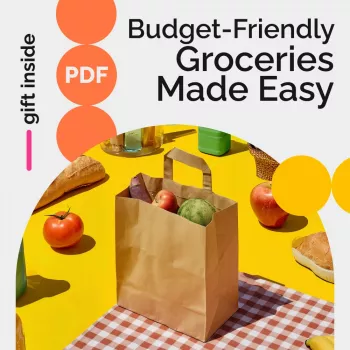
A structured checklist reduces decision fatigue by keeping staples, meal ideas, and a shopping list format in one place. If you prefer a ready-to-use option, this digital guide is designed to streamline planning and make budget choices easier week after week: Budget-Friendly Groceries Made Easy – Simple Guide for Smart Shopping, Meal Planning & Saving Money on Budget Groceries.
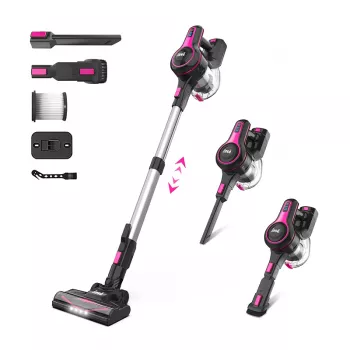
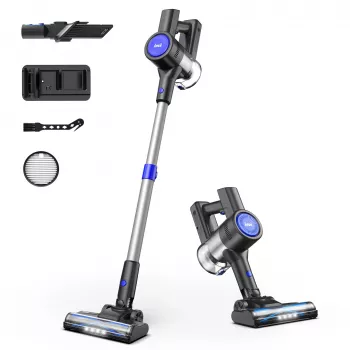
To support a cleaner, quicker reset after meal prep (and make weekly routines easier to stick with), a lightweight cleaning tool can help reduce the friction of keeping floors and crumbs under control: Cordless Vacuum Cleaner, 235W Brushless Motor, 40Min Runtime, 6-in-1 Lightweight for Household Cleaning.
FAQ
What are the best budget groceries to buy every week?
Choose flexible staples (rice, oats, pasta), budget proteins (eggs, beans/lentils, canned fish), and long-lasting produce (carrots, cabbage, apples) plus frozen vegetables. The best picks are the ones that match the meals your household repeats most often.
How can meal planning save money if schedules change?
Plan flexible meals that share ingredients, build in one leftover night, and keep two “emergency meals” from pantry/freezer staples. That way, a busy day doesn’t automatically turn into takeout.
Is buying in bulk always cheaper?
No—unit price matters more than total price, and spoilage can erase savings. Bulk is most worth it for shelf-stable items, frequently used staples, and foods you can portion and freeze safely.









Leave a comment