Elevated Stainless Steel Pet Bowl with Cute Cartoon Style
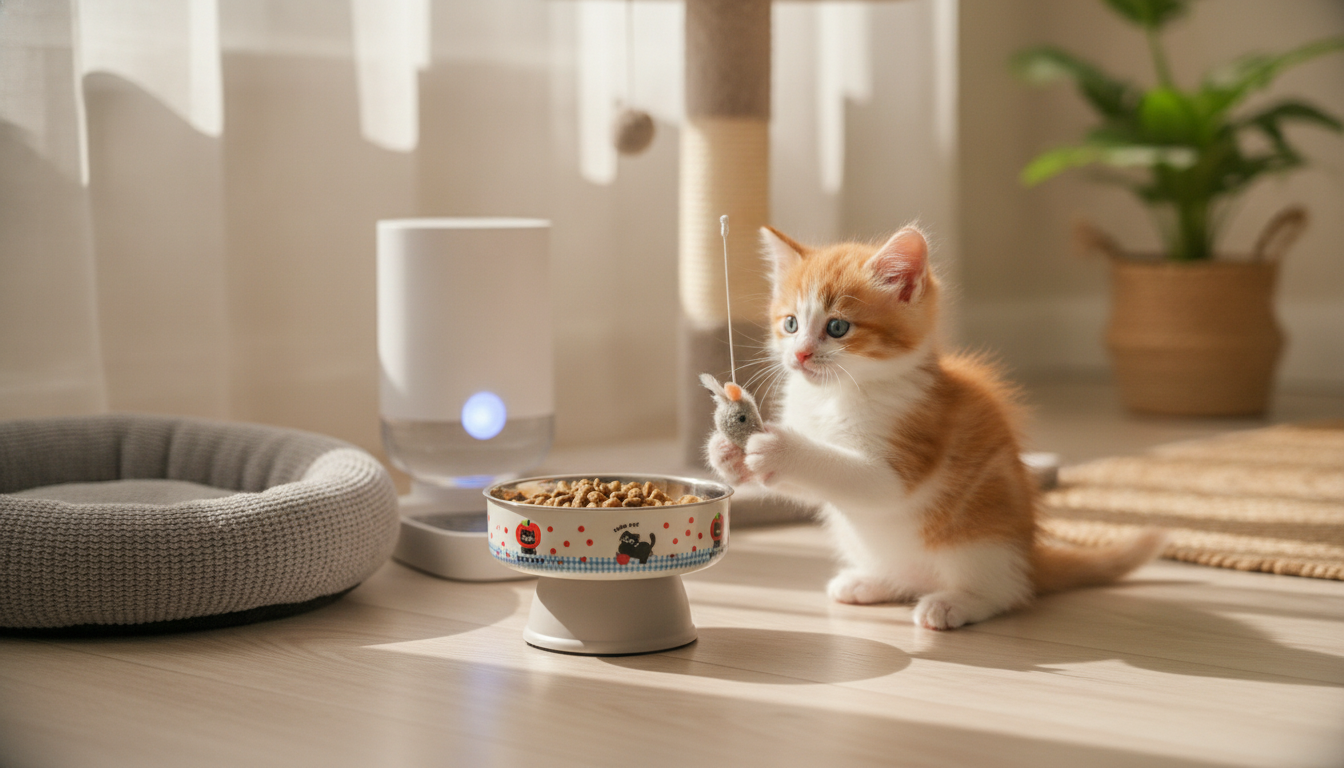
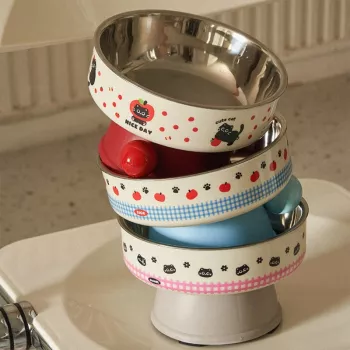
Colorful Cartoon Stainless Steel Pet Bowl with High-Foot Design and Anti-Black Mouth Support
A sturdy, easy-to-clean feeding bowl can make daily mealtimes tidier and more comfortable—especially for pets that benefit from an elevated eating height. This colorful cartoon stainless steel pet bowl pairs a high-foot design with a stainless interior to help keep the feeding area cleaner while supporting healthier contact around the mouth and chin. If you’re trying to cut down on spills, reduce lingering food odors, or simply create a more pleasant feeding corner, the right bowl design can make a noticeable difference. For more guidance, see Pet feeding habits and the microbiological contamination of dog ….
What makes this bowl different
- High-foot (elevated) structure helps bring food and water closer to the pet’s natural head position, which can feel more comfortable for certain pets during meals.
- Stainless steel inner bowl supports cleaner feeding compared with porous materials that can trap odors, oils, and residue over time.
- Colorful cartoon exterior adds a playful touch and makes the eating station easy to spot at a glance (helpful in multi-pet homes or busy kitchens).
- Designed to reduce common “black chin/black mouth” issues often associated with dirty or bacteria-harboring bowls—especially when paired with consistent washing.
If you’d like to see the product details, you can find it here: Colorful Cartoon Stainless Steel Pet Bowl – High-Foot Design with Anti-Black Mouth. For further reading, see Choosing the Right Dog Bowl for Your Dog – American Kennel Club.
At-a-glance details
A practical snapshot of the key build elements that affect comfort, hygiene, and everyday convenience.
Bowl features and everyday benefits
| Feature | What it does | Why it matters |
|---|---|---|
| Stainless steel contact surface | Non-porous and easy to wash | Helps reduce odor buildup and residue that can irritate chin/mouth areas |
| High-foot design | Raises the bowl height | Can be more comfortable for some pets and may reduce mess from awkward bending |
| Cartoon color exterior | Adds visual style and easy identification | Simple to keep separate for multiple pets (food vs water or pet A vs pet B) |
| Stable bowl form | Helps keep the dish in place during eating | Less sliding and tipping for enthusiastic eaters |
Why elevation can help at mealtime
Some pets do perfectly well with floor-level bowls, but a slightly raised feeding height can be a quality-of-life improvement—particularly when it encourages a more natural posture. Instead of crouching low or stretching the neck awkwardly, a raised bowl can help certain pets eat with a calmer stance.
- For many pets, a slightly raised bowl makes it easier to reach food without hunching deeply over the floor.
- Raised bowls can keep kibble and water closer to the mouth, which may reduce splashing and scattered crumbs in some setups.
- Elevation can be especially convenient for senior pets, long-bodied breeds, or pets that prefer a more upright posture while eating.
- The best height is the height the pet comfortably uses—watch for relaxed shoulders, easy swallowing, and minimal straining.
A quick way to check comfort: your pet should be able to stand naturally without splaying legs outward for balance or lowering the head excessively. If your pet looks hesitant, tries to move the bowl, or walks away mid-meal, consider adjusting the placement or trying a different height.
Understanding “anti-black mouth” and bowl hygiene
“Black mouth/black chin” is a common way people describe dark debris or acne-like buildup around the chin and mouth area. It’s especially noted in cats, but dogs can also develop irritation around the muzzle depending on skin sensitivity, oils, and environmental factors. Bowl hygiene can be one important piece of the routine.
- Bacteria, oils, and residue on bowls can contribute to irritation—especially when bowls aren’t washed thoroughly or are made from materials that scratch easily or hold a film.
- A stainless steel eating surface is widely recommended because it’s non-porous and can be cleaned more thoroughly with regular washing.
- The main “anti-black mouth” advantage comes from consistent cleaning and avoiding old, scratched, or residue-coated dishes.
For more detailed veterinary background on feline chin acne and contributing factors, see VCA Animal Hospitals – Feline Acne and Cornell University College of Veterinary Medicine – Feline Acne. If irritation persists, worsens, or looks infected, a vet can help rule out allergies, parasites, or other skin conditions.
Daily use tips for a cleaner feeding station
Even a well-designed bowl works best as part of a simple routine. Small habits can keep the area fresher, reduce tracked crumbs, and make daily cleanup quicker.
To keep floors looking neat between deeper cleanings, pairing a tidy feeding setup with a quick daily vacuum pass can help—especially if your pet is a “crumb flinger.” If you want an option designed for pet hair and everyday debris, consider: Cordless stick vacuum for pet hair and crumbs.
Cleaning and care
Where it fits best in the home
FAQ
Does a stainless steel bowl help with black chin or mouth staining?
Stainless steel is non-porous and typically easier to sanitize, which can help reduce residue and bacteria that may contribute to chin or mouth irritation. Improvements usually depend on consistent washing and replacing bowls that are scratched or hard to fully clean. If symptoms persist, consult a veterinarian for proper diagnosis and treatment.
How often should this pet bowl be washed?
Ideally, wash after each wet meal and don’t let leftovers sit. For water, refresh daily and wash frequently to reduce biofilm. For dry food, regular washing is still helpful to remove oils and fine residue.
Is an elevated bowl better for all pets?
Not always—comfort varies by size, age, and posture. A good fit looks like a relaxed stance with easy reach and minimal bending or neck strain. If your pet seems uncomfortable or avoids the bowl, adjust the placement or try a different height.









Leave a comment