Is Faux Fur Really Soft? What Affects Plush Feel
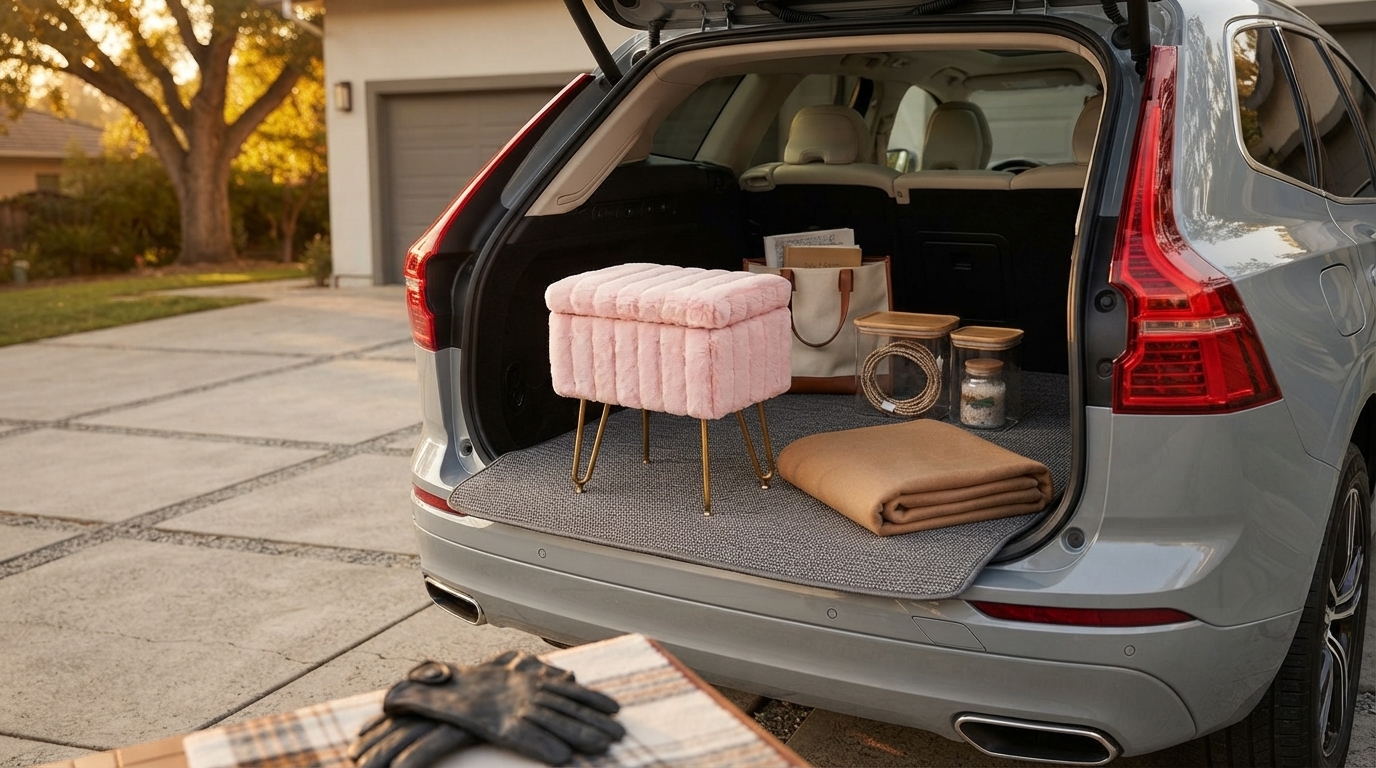
Is faux fur really soft?
Yes—quality faux fur can feel genuinely soft, plush, and cozy against the skin. The softness comes from the type of synthetic fibers used (often fine polyester or acrylic), the pile length, and how densely the fibers are packed. When those factors are dialed in, faux fur can mimic the smooth “glide” of natural fur without the scratchiness people sometimes associate with cheaper fabrics.
That said, faux fur isn’t all the same. Budget versions may feel stiff, flat, or slightly plasticky because the fibers are thicker, the backing is less flexible, or the pile is sparse. If you’ve ever brushed your hand across faux fur and felt resistance or heard a faint “swish,” that’s usually a sign of lower-quality fibers or a shorter, less fluffy pile.
What makes faux fur feel softer?
Look for faux fur described as “high-pile,” “plush,” or “ultra-soft,” and pay attention to density. Dense, longer piles tend to feel fuller and more velvety. A supple backing also matters—when the base fabric bends easily, the fur drapes better and feels less rigid when you sit or lean on it.
How it feels in real-life use
Softness can change depending on how the item is used and stored. Frequent friction (like sitting on a faux fur surface) can compress the pile, making it feel less fluffy over time, even if it remains soft to the touch. Gentle brushing and proper storage help the fibers stay lofted and cozy.
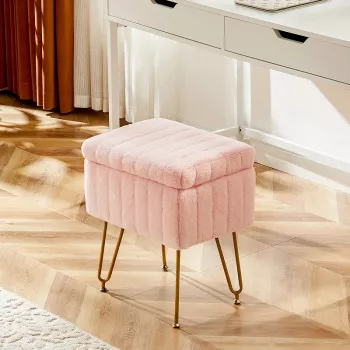
If faux fur is part of a functional piece—such as a storage stool or ottoman—keeping it protected from crushing and moisture can preserve that fresh, plush feel. For practical tips on caring for and storing faux-fur pieces, visit this guide to faux fur storage stools with hidden storage and adjustable legs.
FAQ
How do you keep faux fur from matting?
Limit heavy friction, store it where the pile won’t be crushed, and gently brush the fibers with a soft-bristle brush to restore loft. Spot-clean carefully and let it air-dry fully to avoid stiffening the backing.









Leave a comment