1000-Lumen Rechargeable Zoom Flashlight: Waterproof + 5 Modes
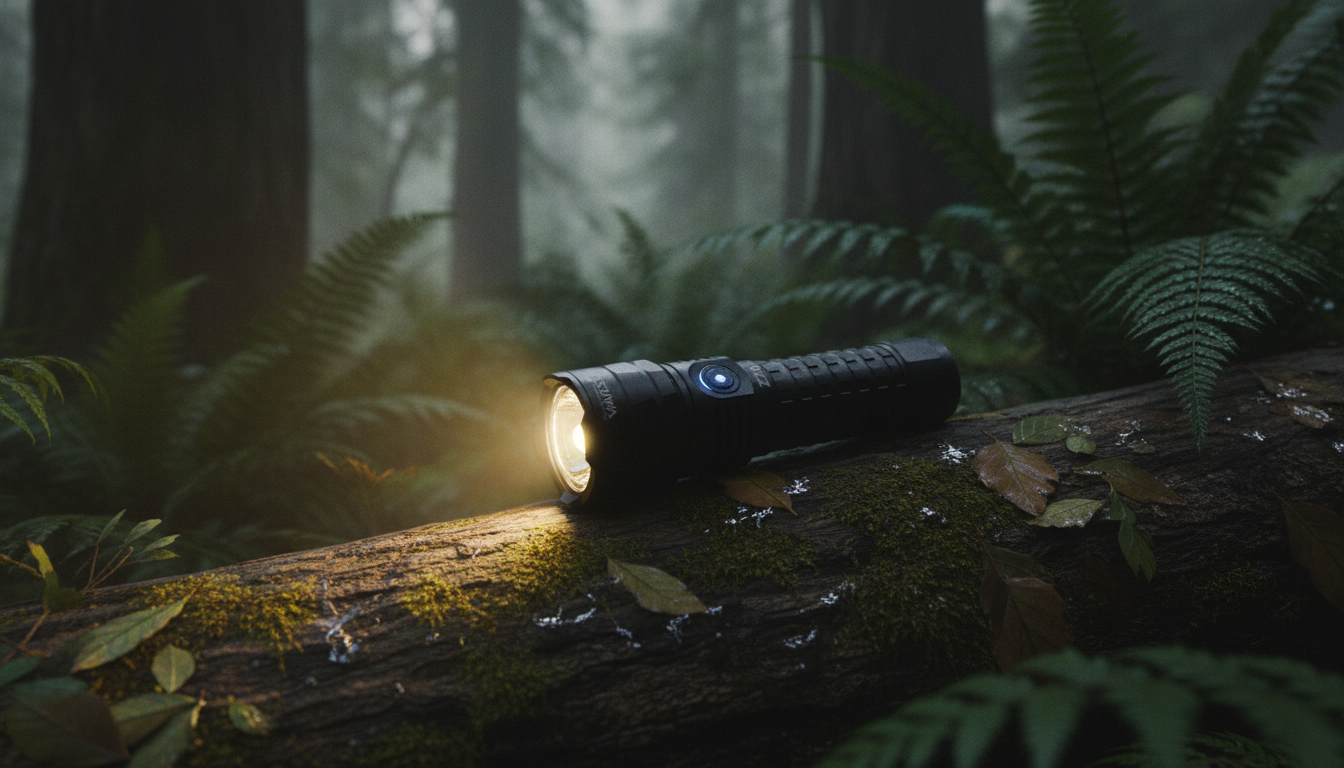
Rechargeable Outdoor Zoom Flashlight: 1000 Lumens, Waterproof Build, and 5 Light Modes
A dependable outdoor flashlight needs bright output, quick beam control, and weather resistance that holds up on the trail, at the campsite, or during a power outage. This guide breaks down what matters day to day—1000-lumen brightness, zoom focus, waterproof protection, and practical modes—so it’s easier to decide if this style of light fits hiking, emergency kits, and night work.
What a 1000-Lumen Flashlight Feels Like in Real Use
In practical terms, 1000 lumens is “confidently bright” for most everyday outdoor needs: walking a dark path, checking the backyard, or lighting a small campsite area without feeling underpowered. The part that surprises many people is how much the beam shape changes the experience. A tight, zoomed beam can look dramatically brighter at the center and reach farther, while a wide flood beam spreads that same light over more ground so nearby visibility feels smoother and more natural.
Also keep runtime in mind. High brightness is great when you need it, but it draws the battery down faster. Medium and low modes often do the bulk of the work—especially for routine tasks—while stretching the time between charges.
| Situation | Recommended beam | Suggested mode | Why it helps |
|---|---|---|---|
| Trail walking | Wide flood | Medium | Reduces tunnel vision and improves nearby visibility |
| Spotting markers at distance | Tight zoom | High | Concentrates light to reach farther |
| Tent or close-up tasks | Wide flood | Low | Comfortable light without glare or fast drain |
| Emergency signaling | Any | Strobe/SOS (if included) | Makes the light more noticeable to others |
If you like comparing specs across brands, look for lights that reference standardized testing methods like the ANSI/PLATO FL 1 Standard, which helps make brightness and runtime claims easier to compare.
Zoom Focus: Floodlight to Spotlight in Seconds
Zoom control is what turns a single handheld light into a two-in-one tool. Instead of being locked into one beam shape, you can switch between a broad flood for close-range awareness and a concentrated spot for distance checks.
When flood mode is the better choice
Flood is ideal for campsite setup, gear sorting, grilling, or walking where you want to see the ground and surroundings clearly. It tends to reduce harsh hotspots and makes it easier to avoid tripping over roots, cords, or uneven terrain.
When spot mode earns its keep
Spot mode is the “reach” setting—useful for locating trail signs, scanning a treeline, or checking the far corner of a property. You’re not lighting everything nearby; you’re placing light precisely where you need it.
Waterproof Protection and Outdoor Durability
“Waterproof” can mean different things depending on the model, so it’s worth confirming what the rating or claim covers—anything from splash resistance to limited submersion. For most outdoor use, what matters is dependable operation in rain, wet-hand handling, and accidental splashes around coolers, boats, or muddy trails.
Practical durability cues include sealed seams, a protected charging-port cover, and a solid body that can take knocks in a tool bag or backpack. After use in rain, dry the flashlight before plugging it in, and keep the port area free of grit so the cover can seal properly.
For broader storm and outage planning, NOAA’s emergency readiness guidance is a helpful reference: NOAA Weather Safety.
5 Useful Modes and When to Use Each
Multiple modes aren’t just for show; they help you balance visibility, comfort, and battery life depending on the moment.
- High: Maximum visibility for navigation and scanning at distance. Best used in short bursts when you need immediate reach.
- Medium: The everyday workhorse setting for outdoor walking and general tasks.
- Low: Ideal for close-up work (like reading a map), preserving night vision, and stretching runtime.
- Strobe: Attention-getting output for emergencies or situations where being noticed quickly matters.
- SOS: Often more useful than strobe for extended signaling because it’s a recognized pattern and easier to identify at a glance.
Rechargeable Convenience: Charging Habits That Extend Lifespan
Who This Flashlight Fits Best
Product Snapshot: Rechargeable Outdoor Zoom Flashlight (1000 Lumens, Waterproof, 5 Modes)
| Feature | What it means day to day |
|---|---|
| 1000 lumens | Bright enough for outdoor paths and general scanning |
| Zoom focus | One light handles both close flood lighting and distance spot checks |
| Waterproof build | More reliable in rain and wet environments |
| 5 modes | Options for power saving and emergency signaling |
| Rechargeable | Less waste and easier readiness for trips and outages |
Rechargeable Outdoor Zoom Flashlight 1000 Lumens Waterproof 5 Modes is a practical fit for camping, hiking, power outages, and everyday carry in a backpack or car.
Helpful Add-On for Staying Organized
Luxe Hacks for Small Closets Checklist | Digital Download Closet Organization Guide can be used to map out a small, dedicated space for household essentials so items don’t get buried when you need them quickly.
FAQ
How long does a rechargeable 1000-lumen flashlight last on a full charge?
Runtime varies most by mode: high drains fastest, while medium and low can extend use significantly. Battery capacity matters too, and using a tight zoomed spot continuously can encourage more high-mode use, which shortens time between charges.
Is a “waterproof” flashlight safe to use in heavy rain?
Usually yes for rain and splashes as long as seals are intact and the charging-port cover is fully closed, but water protection depends on the exact rating. Avoid charging while the light is wet, and don’t submerge it unless the model is specifically rated for submersion.
What’s the advantage of a zoom flashlight compared with a fixed-beam light?
A zoom flashlight is more versatile: use flood for walking and close-up work, then switch to spot for distance checks. That flexibility can reduce the need to carry two separate lights for near and far tasks.






Leave a comment