Reward-Based Puppy Training: Treats, Praise & Timing
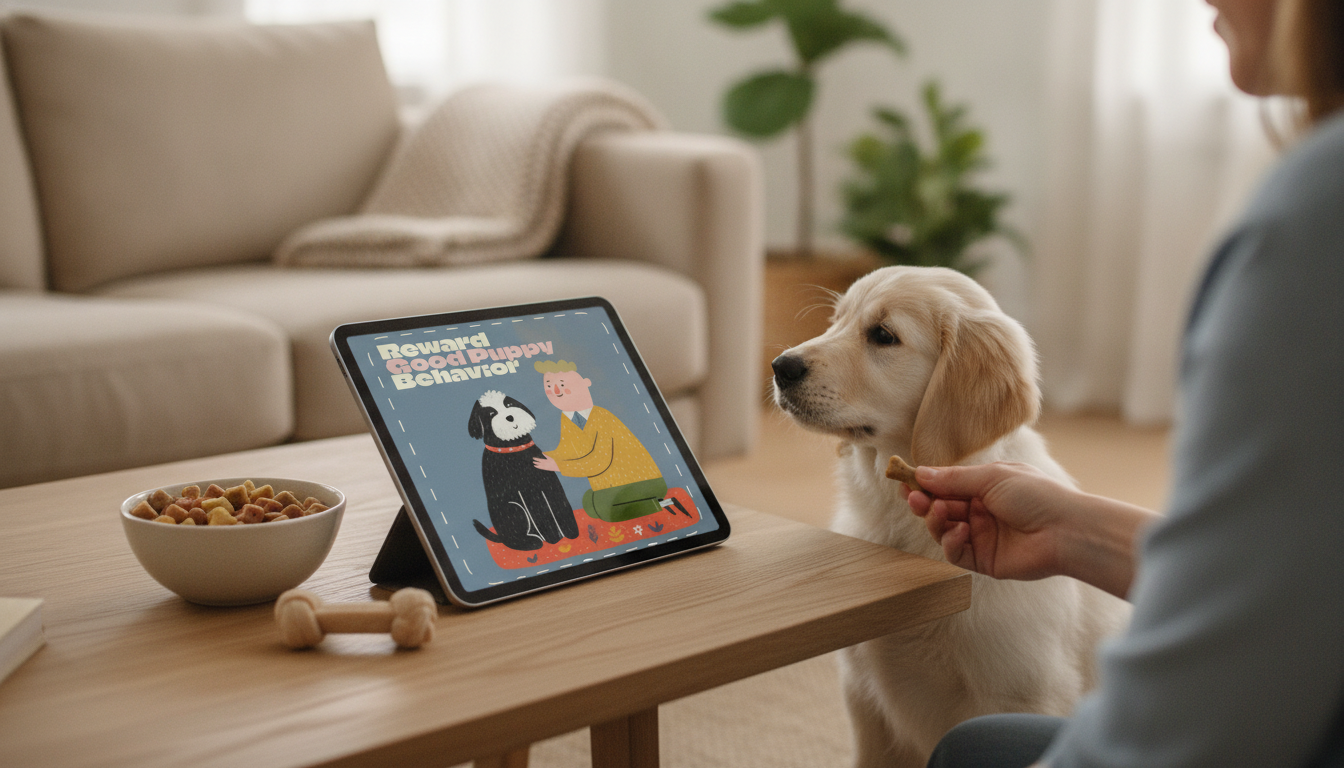
Why rewards shape puppy behavior so quickly
Puppies are wired to repeat what works. When a behavior “pays” right away—one tiny treat, a calm “Good,” or access to something fun—your puppy is more likely to try that behavior again. Done consistently, reward-based training turns everyday moments into clear lessons: sit makes the leash clip happen, calm paws make greetings happen, and checking in with you makes the walk continue.
Positive reinforcement also builds confidence. Instead of avoiding mistakes out of fear, puppies learn what to do, and that clarity can reduce fear-driven behaviors like skittishness, barking at new objects, or frantic mouthing when overwhelmed. For best results, pair rewards with simple management—gates, leashes, pens, and closed doors—so unwanted habits (like counter-surfing or sprinting away) don’t get practiced on repeat.
The three building blocks: treat, praise, and a clear marker
A reward system works best when it’s precise. The goal is to tell your puppy, “That exact second was perfect,” and then pay it.
1) A marker pinpoints the right moment
Use a clicker or a short word like “Yes!” to mark the instant your puppy does the behavior you want. The marker is not the reward; it’s the camera flash that captures the correct moment.
2) Treats are the paycheck; praise is the feeling
Treats are efficient because they’re clear and fast. Praise adds emotional feedback and helps your puppy feel safe. If your puppy gets amped up easily, keep praise low and steady rather than high-pitched and excited.
3) Timing beats “fancy” treats
Mark first, then deliver the treat within 1–2 seconds. Late rewards often reinforce whatever your puppy did after the good behavior—like popping up, barking, or grabbing the leash.
Keep sessions short (1–3 minutes) and frequent. Puppies learn best in quick bursts that fit their attention span.
Reward tools and when they work best
| Reward type | Best for | Tips |
|---|---|---|
| Soft, pea-sized treats | New skills and high-distraction moments | Use tiny pieces; plan the day’s food so calories stay reasonable |
| Kibble | Easy skills at home | Great for rapid-fire reps; reserve “special” treats for harder situations |
| Praise (calm voice) | Maintaining behaviors once learned | Pair with a treat at first, then fade treats gradually |
| Toy or tug | High-energy pups and play-motivated breeds | Keep toy access limited so it stays valuable; end while puppy still wants more |
| Life rewards (go sniff, greet, go outside) | Real-world manners | Ask for a simple behavior (sit, eye contact) before the reward happens |
Setting up rewards: treat size, frequency, and value
Treat size: keep pieces pea-sized or smaller. Tiny treats speed up training because your puppy can swallow quickly and reset for the next repetition—without racking up calories.
Reinforcement rate: early learning needs frequent payoffs. In the beginning, reward every correct attempt, including “almost right” tries that show your puppy is thinking (like starting to sit when you say “Sit”).
Value ladder: build a spectrum so you always have something “better” when distractions rise. Many puppies rank rewards like this: kibble < basic treats < special treats (soft, smelly, high-value).
Health notes: choose puppy-safe options, introduce new treats gradually, and watch stool quality. Keep water available, especially if you use salty or dry training treats.
A simple training flow that prevents confusion
A predictable sequence helps your puppy learn faster and helps you avoid repeating cues.
Rewarding the behaviors most puppy parents care about
Potty training
Biting and mouthing
Loose-leash walking
Sit, down, and coming when called
Calm settling
Common reward mistakes—and quick fixes
Phasing out treats without losing reliability
Printable-style routines that make training automatic
Digital guide highlight: Treats, Praise, Repeat
If you want a quick-reference resource you can pull up during real life (door greetings, leash walks, calm settling, and “what do I reward right now?” moments), Treats, Praise, Repeat: Your Puppy Reward Guide (Digital Download) is built for fast lookups. It’s especially useful for setting up a treat-value ladder, improving timing, and reducing accidental reinforcement across the day.
And because puppyhood is messy, having the right cleanup tools can make training feel easier to stick with. For quick pickups after shedding, tracked-in dirt, or post-treat crumbs, a cordless stick vacuum for pet hair cleanup can help keep your routine moving without turning maintenance into a big project.
Humane training guidance you can trust
Reward-based methods are widely supported by animal behavior organizations. For deeper reading, see the American Veterinary Society of Animal Behavior (AVSAB) position statements, the American Kennel Club’s overview of positive reinforcement, and the RSPCA’s reward-based training guidance.
FAQ
How many treats can a puppy have during training?
Use pea-sized pieces and pull from your puppy’s daily food allowance whenever possible. Watch calories and stool quality, and lean on life rewards (sniffing, play, going outside) to reduce how much extra food is needed.
Will rewarding with treats make my puppy only listen when food is present?
No—if you avoid bribing and reward after the behavior, your puppy learns the cue predicts a payoff, not the sight of food. Once the behavior is consistent, fade to variable rewards and mix in praise and life rewards to keep reliability strong.
What’s the fastest way to reward good behavior in the moment?
Use a marker word or clicker, then deliver the treat within 1–2 seconds. Keep treats accessible in a pouch or a small jar in key areas so you can pay quickly without hunting for snacks.









Leave a comment