Cactus Cat Tree: Padded Perch, Hammock & Scratch Post
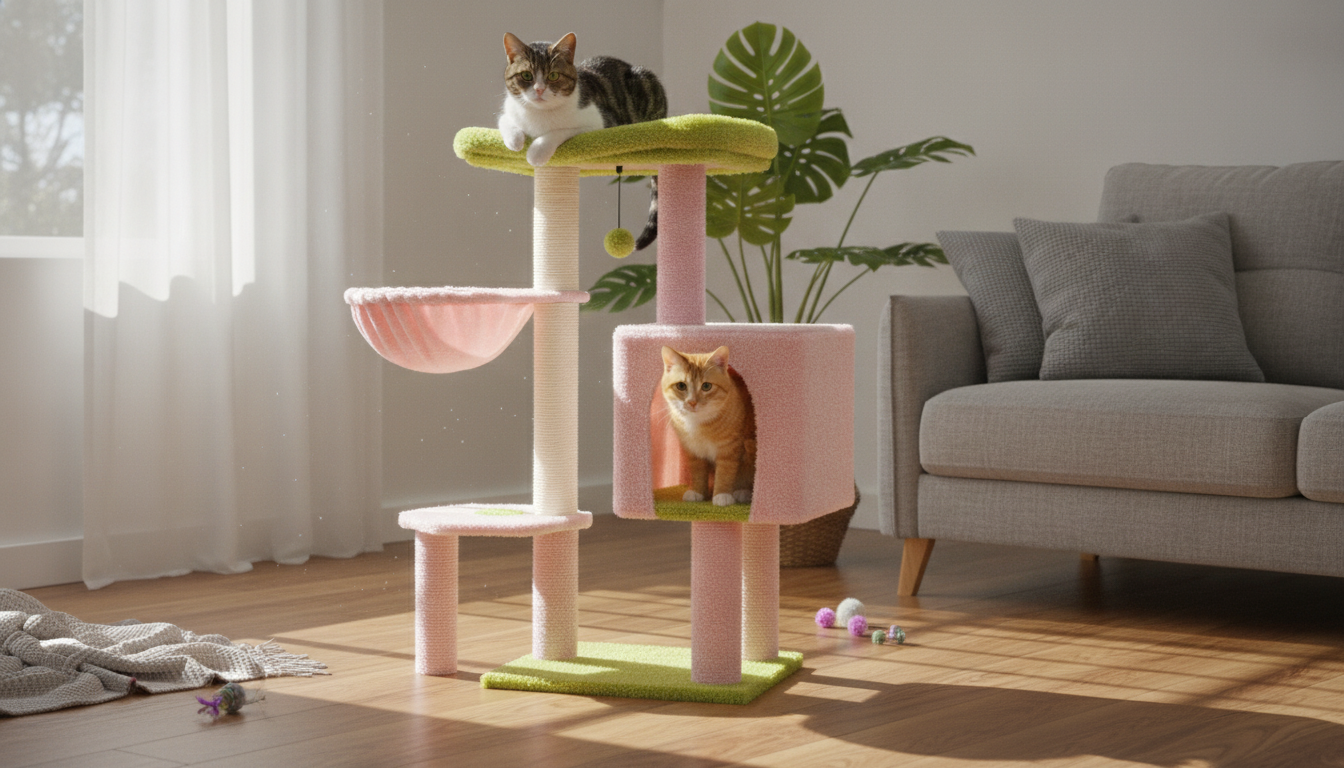
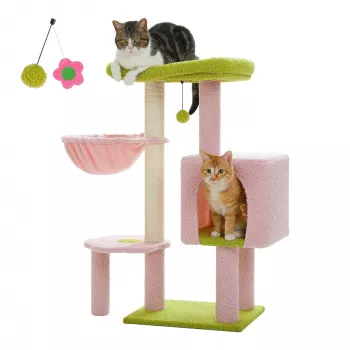
Cactus Cat Tree with Padded Perch, Hammock, Scratching Post & Dangling Ball
A compact cat tower can do more than save furniture: it can create a reliable place to climb, lounge, scratch, and play. This cactus-themed cat tree combines an elevated padded perch, a cozy hammock, a scratching post, and a dangling ball toy—helpful for households that want one piece that covers daily enrichment without taking over the room. For more guidance, see Globlazer Cactus Heavy Duty Cat Tree, 74in Tall Sturdy Cat Tower ….
What this cactus cat tree adds to a home
Cats thrive when they have a predictable “zone” that belongs to them—especially one that’s off the ground. A vertical setup gives them a vantage point for observing the room and settling down, which can make countertops and shelving less tempting.
- Gives cats a dedicated vertical zone for observing and resting, which can reduce attention-seeking behaviors on counters and shelves.
- Offers two distinct rest styles: an elevated padded perch for open-air lounging and a hammock for curl-up comfort.
- Supports natural scratching instincts with a built-in scratching post, helping redirect scratching away from carpets and sofas.
- Includes a dangling ball for quick play bursts, useful for solo entertainment between interactive play sessions.
- Cactus styling can blend into modern decor while still looking playful in living rooms, offices, or bedrooms.
For a deeper look at why enrichment matters (climbing, resting spots, and play variety), the American Veterinary Medical Association (AVMA) guidance on environmental enrichment for cats is a helpful reference point.
Comfort and enrichment features to look for
Padded perch
A top platform tends to become the “favorite seat” quickly, so it’s worth prioritizing soft padding and a supportive feel. Cats often nap with forelegs tucked; a comfortable surface helps them settle instead of repositioning repeatedly.
Hammock
A hammock offers a different kind of rest: slightly hugged and sling-like. This can feel secure for cats that prefer tucked-in lounging. Consider whether the hammock sits at a height your cat will actually choose—some cats love low-to-mid levels, while others prefer higher perches.
Scratching surface
Scratching is a normal, necessary behavior (claw maintenance, stretching, and communication). A stable post with a grippy texture encourages a full-body stretch, which is often what cats seek when they go after a sofa arm. The ASPCA overview of scratching behavior explains why providing an appropriate scratch target is so effective.
Dangling toy
A hanging ball is ideal for quick “drive-by” play—one or two swats between naps. It’s best when it can move freely without snapping back into the cat’s face. If your cat tends to chew string-like parts, remove the toy and substitute supervised play with a wand toy nearby.
Easy-clean materials
Cat trees collect fur fast—especially around the hammock seam and platform edges. Wipeable surfaces and simple shapes make routine cleanup faster, which helps keep the tower appealing rather than “stale” with odors and hair.
Choosing the right size and placement
Even a small-footprint cat tree needs breathing room. Cats don’t just climb up—they launch, twist, and land. A few inches of clearance can be the difference between confident use and a hesitant “sniff and leave.”
Quick setup checklist by cat type
| Cat type | Best placement | How to encourage use | Extra safety note |
|---|---|---|---|
| Kittens | Near a play area, away from stairs | Treats on the perch and short wand-toy sessions around the base | Supervise toy use if chewing is common |
| Adult single cat | By a window or next to a sofa | Catnip on the scratch area; reward after scratching | Ensure the base sits flat and doesn’t rock |
| Multi-cat home | In a shared room with multiple exits | Rotate who gets treats on the perch; add a second resting spot elsewhere | Watch for guarding; separate resources if conflict appears |
| Senior cats | Beside a low couch or sturdy ottoman | Add a soft blanket on the perch; invite with gentle play | Avoid slippery floors; add a rug under the base |
Stability and safety essentials
Keeping it clean and keeping cats interested
Product spotlight: cactus cat tree with padded perch, hammock, scratching post & dangling ball
If you’re looking for a compact all-in-one station, the Cactus Cat Tree with Padded Perch, Comfy Hammock, Scratching Post & Dangling Ball combines the daily essentials in one vertical setup.
Helpful add-ons for pet hair and tidy floors
Cat trees concentrate fur where cats scratch and nap, so cleaning gets easier when you have a vacuum that’s quick to grab for small messes around the base. For a lightweight option, consider the Cordless stick vacuum for hard floors, carpet, and pet hair to keep the surrounding area looking neat.
If you want another cordless choice for routine pickups, the Cordless Vacuum Cleaner, 235W Brushless Motor, 40Min Runtime, 6-in-1 Lightweight for Household Cleaning can also pair well with a cat-tree “cleaning corner” approach—quick passes a few times a week instead of big cleanups later.
FAQ
How do you get a cat to use a new cat tree?
Place it near a window or a favorite hangout, add treats or catnip on the perch and scratching area, and reward any interaction. Pair it with a few short play sessions near the base, and avoid forcing your cat onto it.
Are hammocks on cat trees safe for daily use?
They can be, as long as the tree is stable, the hammock fabric and attachments stay intact, and your cat’s weight is appropriate for the setup. Check for fraying and tighten hardware periodically.
Where should a scratching post on a cat tree be placed in the room?
Put the tree near the current scratching hotspot or close to where your cat wakes up, since many cats like to scratch after naps. Keep it accessible and avoid tucking it into a cramped corner where your cat can’t get a full stretch.









Leave a comment